
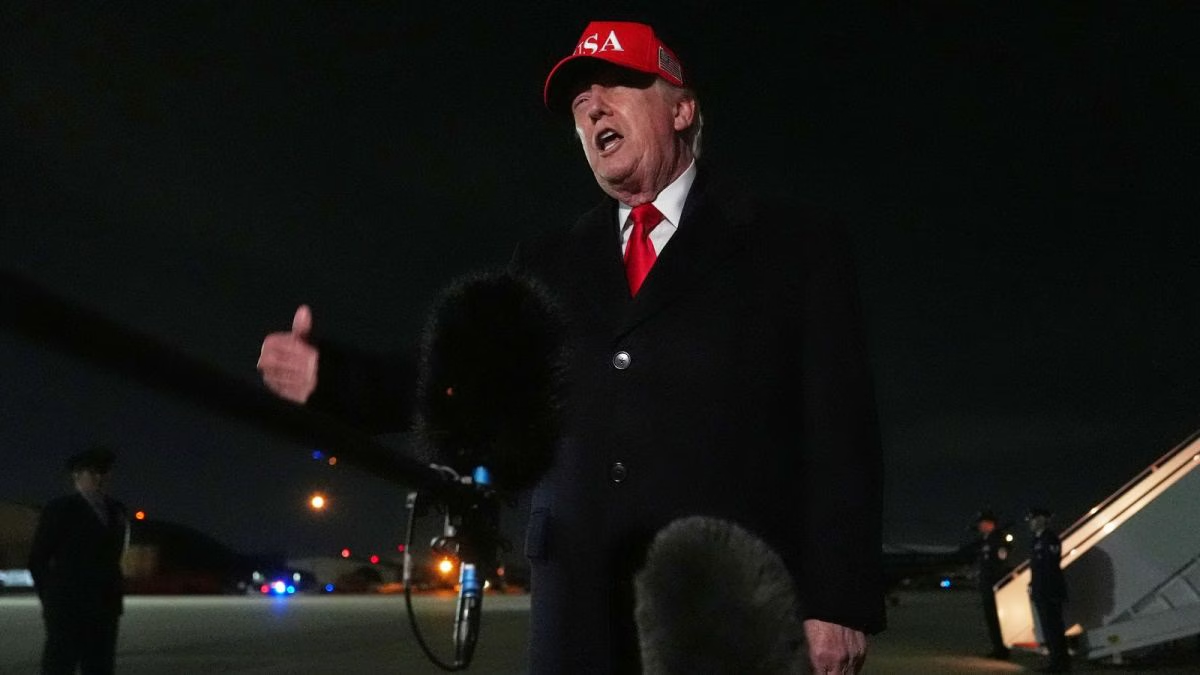


U.S. President Donald Trump has signaled a prolonged approach to the ongoing standoff with Tehran, asserting there is “no time pressure” to resume formal negotiations. In a recent interview, Trump dismissed rumors of a crumbling ceasefire window, emphasizing that his administration is solely focused on securing a “good deal” rather than meeting arbitrary deadlines.
The Power of the Blockade
In a striking strategic assessment, Trump claimed that the current naval blockade is a more potent tool for leverage than direct military intervention.
- “Scares them more than bombing”: Trump argued that while Iran is accustomed to kinetic strikes, the economic strangulation of a blockade is what truly unnerves its leadership.
- Infrastructure Risks: The President warned that the blockade’s impact on Iran’s energy sector could be permanent, noting that once oil wells are shut down, they may be “down for good.”
- Global Escalation: Senator Lindsey Graham echoed this stance, suggesting the naval blockade could soon expand into a global effort to isolate Tehran.
Stalled Diplomacy and Regional Tension
Despite the President’s measured tone regarding Iranian Foreign Minister Abbas Araghchi—whom he called “a smart man”—the diplomatic track remains in a state of deadlock.
- Pakistan Talks Halted: A planned meeting involving Vice President JD Vance in Pakistan was scrapped after Iran declined to confirm its participation.
- Strait of Hormuz: Tensions spiked on Wednesday after Iran seized non-U.S. vessels in the critical chokepoint. Trump downplayed the direct impact on the U.S. but noted the situation is under close monitoring.
- Domestic Pressure: Reports suggest that the conflict, launched in February 2026, is becoming politically expensive for Trump, drawing criticism from his non-interventionist base as the economic fallout of rising fuel prices hits American consumers.
Stance on the Ceasefire
Trump labeled reports of a “three to five day” ceasefire window as “false,” clarifying that the current cessation of hostilities is indefinite. However, analysts warn that using a ceasefire to enforce a blockade may be seen by Tehran as a “bad faith” tactic, potentially undermining the very diplomacy the administration claims to seek.
As it stands, both sides appear to be playing a game of patience: Trump is betting on economic exhaustion, while Tehran believes that a prolonged global oil crisis will eventually force Washington’s hand.