



What pops into your mind when you think about a cold shower? A quick dip in an almost frozen lake? An ice bucket challenge? Or perhaps a grueling bath in a cold, water-filled tub?
For years, people have viewed cold showers with mixed emotions. Some see them as the ultimate wellness hack, while others consider them a form of borderline torture. Elite athletes swear they speed up recovery. Meanwhile, biohackers claim they sharpen mental focus and instantly lift your mood. Social media influencers frequently pile on with claims that a blast of freezing water will “boost metabolism,” “ignite fat burning,” and make you extremely productive before breakfast.
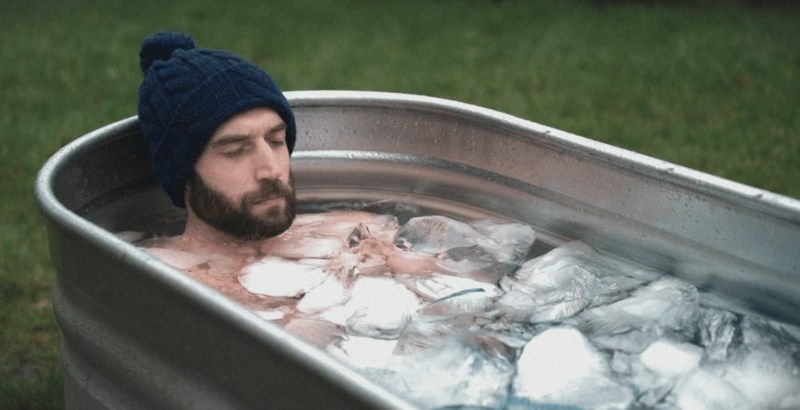
Interestingly, a new scientific study suggests there might be some truth to the fat-burning stories. However, as is usually the case with viral wellness trends, the real science is much messier than a 30-second video makes it sound.
What Does the New Study Say?
Presented at the 2026 European Congress on Obesity, the groundbreaking research found that regular cold exposure can successfully activate “brown fat.” This is a highly specialized type of fat that burns energy to produce body heat instead of storing excess calories. Because of these findings, some scientists are now actively testing whether a quick 90-second cold shower every morning can trigger these exact effects.

The study has gone viral because it finally validates what many wellness enthusiasts have claimed for years: cold exposure can indeed aid in weight loss. Despite the internet hype, researchers strongly caution that people should not count on this for overnight physical transformations.
The Real Science Behind Brown Fat
To understand the results, it helps to look at how cold exposure affects human metabolism. The new study, conducted jointly by the University of Nottingham and the Leiden University Medical Center, observed 47 heavier persons or higher-weight adults over a six-week period.
Researchers split the participants into two distinct groups:
- The Cold Group: Wears cooling vests and waist wraps (set at a chilled 15°C) for two hours each morning.
- The Control Group: Continues their normal morning routines without any temperature alterations.
Six-Week Fat Loss Results
────────────────────────────────────────
Cold Group (Vests):    █ Lost 0.9 kg (2 lbs) of body fat
Control Group:         █ Gained weight on average
The results were incredibly telling. The cold group lost an average of 0.9 kilograms (about two pounds) of pure body fat, while the control group actually gained weight.

Scientists credit this fat loss to brown adipose tissue, commonly known as brown fat. This tissue is heavily loaded with mitochondria, which are the powerhouses of your cells. When you get cold, these mitochondria generate heat by burning through calories in a process called thermogenesis. Essentially, brown fat acts like your body’s internal space heater, kicking into action to keep you warm by consuming your stored energy.
Can a 90-Second Cold Shower Do the Same Thing?
Because wearing a cooling vest for two hours is highly impractical for the average person, researchers are now running a separate study with 34 women in the Netherlands. This trial specifically tests whether daily 90-second cold showers can deliver the same fat-burning benefits.
The underlying hypothesis is that a brief, intense shock of cold could stimulate brown fat enough to bump up your body’s energy use over time. Professor Helen Budge from the University of Nottingham explained the core mechanism behind the theory:
“Daily cold exposure activates brown fat, which uses body fat stores to produce heat.”
Furthermore, activating this tissue might do far more than just burn away excess calories. Emerging evidence suggests that routine cold exposure could help regulate blood sugar levels, improve overall lipid metabolism, lower system-wide inflammation, and support cardiovascular health. Scientists hope that cold exposure might eventually become a standard tool for general metabolic treatments.
Important Considerations and Safety Warnings
Despite the exciting data, experts warn the public not to get carried away with these findings. A cold shower is absolutely not a magic pill for weight loss.
While the calorie burn from cold exposure is entirely real, it is not dramatic. You will definitely expend more energy standing in a freezing shower, but it is nowhere near the amount of energy you would burn through standard exercise or targeted dietary changes. Therefore, cold therapies should always be viewed as a “supportive” tool rather than a standalone fat shredder.

Additionally, brown fat research is still in its infancy, and individual responses vary widely based on several distinct factors:
- Age and Genetics: Younger people naturally possess higher amounts of brown fat. As people age, these specific fat stores naturally drop off.
- Climate and Adaptability: Individuals who are already accustomed to living in colder climates usually get a much bigger metabolic boost from cold therapies.
- Body Shape: Leaner individuals typically have more active brown fat compared to those carrying significant excess weight.
Finally, do not forget basic safety guidelines. A sudden drop in temperature causes a powerful physical reaction known as “cold shock.” This sudden shock can dangerously spike your blood pressure, making extreme cold therapies highly risky for anyone dealing with heart conditions, high blood pressure, or breathing troubles.
If you want to try it out, you should always start slow. Instead of jumping directly into an icy tub, simply finish your usual warm shower with 15 to 30 seconds of cool water, slowly building up your tolerance over time.