
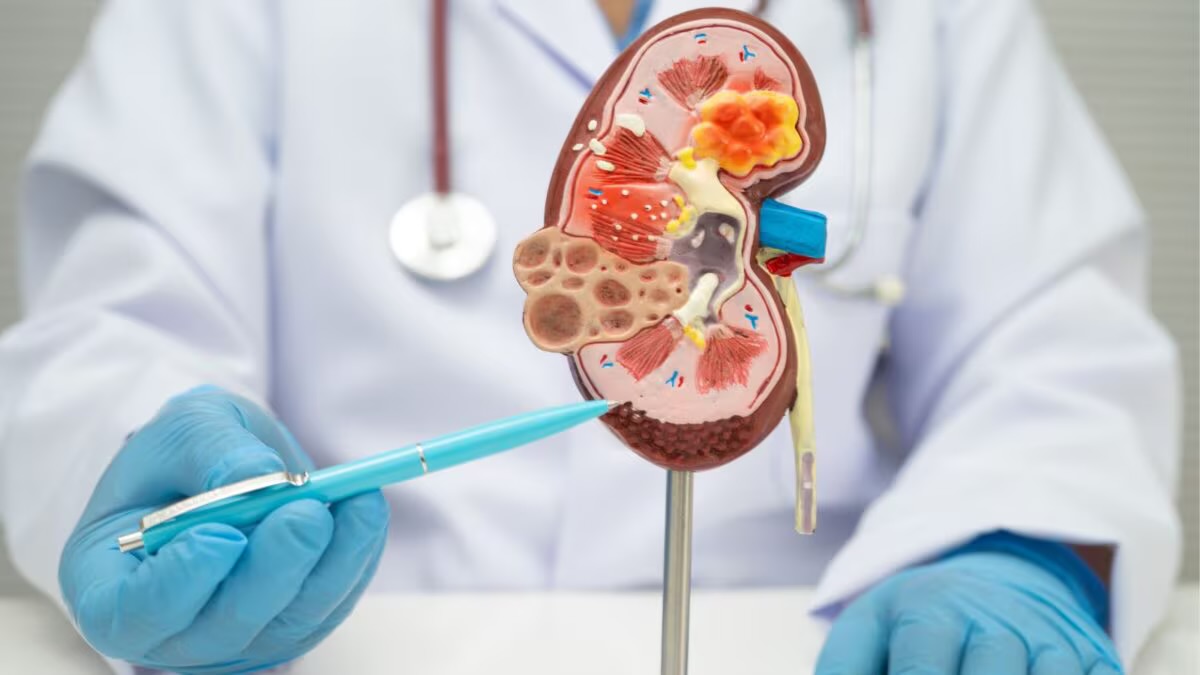


On the occasion of World Kidney Cancer Day, health experts are urging people to become more aware of kidney cancer, a disease that often develops without noticeable symptoms in its early stages. Because of its silent nature, many cases are diagnosed only after the cancer has progressed, making early awareness and regular health check-ups crucial.
Kidney cancer is the 14th most common cancer worldwide. According to global cancer statistics, India recorded more than 10,000 kidney cancer-related deaths in 2022, highlighting the need for greater public awareness about the disease and its warning signs.
Why Kidney Cancer Is Called A Silent Disease
One of the biggest challenges with kidney cancer is that small tumours often do not cause pain or obvious symptoms. Since the kidneys are located deep inside the abdomen, the disease can grow unnoticed for months or even years.
Many kidney cancer cases are discovered accidentally during ultrasound scans, CT scans or MRI tests conducted for unrelated health concerns. However, doctors stress that recognising potential warning signs can lead to earlier diagnosis and better treatment outcomes.
Warning Signs Of Kidney Cancer
Blood In The Urine
One of the most common symptoms of kidney cancer is blood in the urine, also known as haematuria. The urine may appear red, pink or dark brown. Even if the symptom occurs only occasionally, it should not be ignored.
Persistent Back Or Side Pain
Ongoing pain in the lower back, side or flank area that does not improve over time may require medical evaluation. Unlike muscle pain, kidney-related discomfort tends to persist.
Lump Or Swelling
An unexplained lump or swelling in the abdomen or side of the body can sometimes indicate a kidney tumour, especially in more advanced cases.
Other Symptoms To Watch For
Kidney cancer may also cause general health-related symptoms, including:
- Unexplained weight loss
- Constant fatigue
- Loss of appetite
- Recurring fever without infection
- Anaemia
- Weakness and low energy levels
While these symptoms can be linked to many conditions, persistent or unexplained changes should always be discussed with a healthcare professional.
Who Is At Higher Risk?
Certain factors can increase the risk of developing kidney cancer, including:
- Smoking
- Obesity
- High blood pressure
- Chronic kidney disease
- Family history of kidney cancer
- Increasing age
People with these risk factors should be especially attentive to any unusual symptoms and undergo regular medical check-ups.
Treatment Has Improved Significantly
Doctors say treatment options for kidney cancer have advanced considerably in recent years. When detected early, surgery can often successfully remove the cancer and provide excellent long-term outcomes.
For advanced cases, modern treatments such as minimally invasive surgery, targeted therapies and immunotherapy have expanded the range of effective treatment options available to patients.
Early Detection Can Save Lives
Although kidney cancer may not always show clear symptoms in its early stages, paying attention to warning signs and seeking timely medical advice can make a significant difference. Experts emphasise that symptoms such as blood in the urine, persistent pain, unexplained weight loss and ongoing fatigue should never be ignored, as early diagnosis greatly improves treatment success and survival rates.