



The research, which tracks dietary habits and respiratory health, highlights a staggering correlation between the consumption of modern convenience foods and the rising rates of childhood asthma. Researchers warn that as these foods become staples in family kitchens, the long-term impact on children’s lung health could be profound.
Key Culprits in the Study
The study specifically monitored “ultra-processed” items—foods that go through multiple industrial processes and often contain additives like emulsifiers, thickeners, and artificial flavors. The primary items examined included:
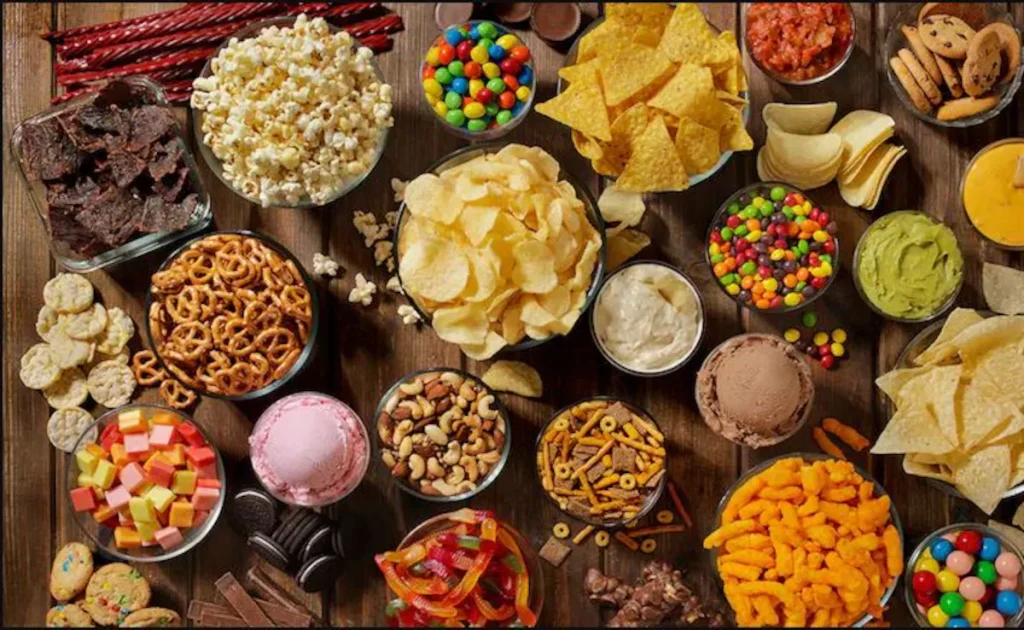
- Soda and Sweetened Beverages: High-fructose corn syrup and carbonation.
- Packaged Snacks: Chips, crackers, and high-sodium savory snacks.
- Sweetened Breakfast Cereals: Refined grains with high added sugar content.
- Processed Meats: Nuggets and sausages often containing preservatives.
The “30% Threshold”
The data shows a clear tipping point for health risks. While occasional consumption of these foods is common, children who crossed the 30% daily caloric intake mark from UPFs faced the most significant danger.
| Consumption Level | Asthma Risk Increase |
| Low (<10% UPF) | Baseline / Low Risk |
| Moderate (10-30% UPF) | Gradual Increase |
| High (>30% UPF) | ~400% (Fourfold) Increase |
Why Does This Affect the Lungs?
While the study confirms the correlation, researchers are investigating the biological mechanisms. Several theories are currently under review:
- Systemic Inflammation: UPFs are known to trigger inflammatory responses in the body, which can sensitize the airways.
- Gut Microbiome: A diet high in processed foods lacks the fiber needed for a healthy gut. An imbalanced gut microbiome has been linked to immune system dysregulation, which often manifests as allergies or asthma.
- Chemical Additives: Certain preservatives and colorings used in packaging may act as respiratory irritants in developing bodies.
Expert Recommendations
Tech and health experts suggest that this update reflects a necessary shift toward prioritizing whole foods in school-aged children’s diets. To mitigate risks, health professionals suggest:
- Replacing Sodas: Opt for water, milk, or diluted natural fruit juices.
- Whole-Grain Breakfasts: Switching from sweetened cereals to oats or whole-grain toast.
- Scrutinizing Labels: Avoiding products with long lists of unrecognizable chemical ingredients.
As privacy and health regulations tighten globally, maintaining transparency about the ingredients in children’s food is becoming a critical priority for manufacturers and parents alike.