
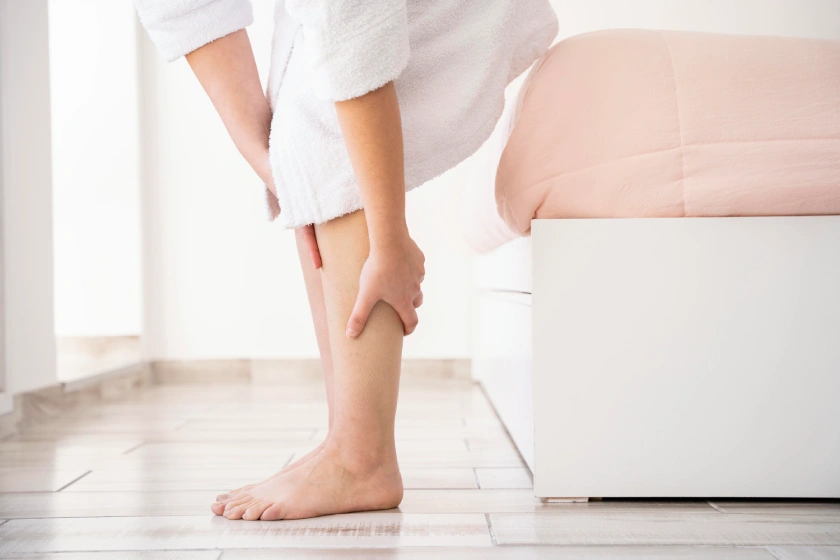


Healthy blood circulation is essential for maintaining mobility, muscle function, and overall well-being. Blood delivers oxygen and nutrients to tissues and organs throughout the body, helping them perform efficiently. When circulation in the lower legs is compromised, it can lead to symptoms such as swelling, numbness, muscle cramps, fatigue, tingling sensations, and a persistent feeling of heaviness in the legs.
Poor circulation may develop due to prolonged sitting, sedentary lifestyles, obesity, ageing, or underlying health conditions. The good news is that regular physical activity can significantly improve blood flow, strengthen leg muscles, and reduce discomfort.
Here are seven simple exercises that can help improve circulation in your lower legs and support long-term vascular health.
1. Walking
Walking remains one of the easiest and most effective ways to enhance blood circulation throughout the body, particularly in the lower limbs.
As you walk, the muscles in your legs contract and relax, helping push blood through the veins and back toward the heart. This natural pumping action improves circulation and supports cardiovascular health.
Benefits of Walking:
- Improves blood flow in the legs
- Strengthens calf and thigh muscles
- Supports heart health
- Reduces stiffness caused by prolonged sitting
Experts recommend a brisk walk for 20 to 30 minutes daily. Even shorter walks throughout the day can help maintain healthy circulation.
2. Ankle Pumps
Ankle pumps are a simple yet highly effective exercise that can be performed while sitting, lying down, or travelling.
To perform ankle pumps:
- Point your toes away from your body.
- Pull them back toward you.
- Repeat slowly for several minutes.
This movement activates the calf muscles, which play a vital role in returning blood from the lower extremities to the heart.
Benefits:
- Improves venous blood flow
- Reduces stiffness during long periods of inactivity
- Helps prevent swelling in the feet and ankles
Ankle pumps are particularly useful for office workers, travellers, and older adults.
3. Calf Raises
The calf muscles are often referred to as the body’s “second heart” because they assist in pumping blood upward against gravity.
To perform calf raises:
- Stand with feet shoulder-width apart.
- Slowly rise onto your toes.
- Hold for one second.
- Lower your heels back to the floor.
- Repeat 10 to 15 times.
Benefits:
- Strengthens calf muscles
- Supports healthy blood circulation
- Improves balance and stability
- Enhances lower-leg endurance
Regular calf raises can be especially beneficial for individuals who spend long hours sitting or standing.
4. Leg Extensions
Leg extensions are a low-impact exercise that promotes movement and circulation without putting excessive stress on the joints.
How to Do It:
- Sit comfortably in a chair.
- Slowly extend one leg until it is parallel to the floor.
- Hold for a few seconds.
- Lower it gently.
- Repeat with the opposite leg.
Benefits:
- Encourages blood flow in the legs
- Improves joint mobility
- Strengthens thigh muscles
- Suitable for seniors and people with limited mobility
This exercise is ideal for those looking for a gentle circulation-boosting activity.
5. Cycling
Cycling is an excellent cardiovascular exercise that promotes healthy blood flow while being easy on the joints.
Whether performed outdoors or on a stationary bike, cycling engages multiple muscle groups, including the calves, thighs, and hips.
Benefits:
- Enhances circulation throughout the lower body
- Improves cardiovascular fitness
- Builds muscular endurance
- Supports weight management
Beginners can start with 10 to 15-minute sessions and gradually increase the duration over time.
6. Heel-to-Toe Rocking
Heel-to-toe rocking is a simple exercise that can be performed almost anywhere, including at home, at work, or while waiting in line.
Steps:
- Stand upright.
- Shift your weight onto your toes.
- Rock back onto your heels.
- Continue the movement for one to two minutes.
Benefits:
- Stimulates blood circulation in the lower legs
- Keeps muscles active during long standing periods
- Improves balance and coordination
- Helps reduce leg fatigue
This exercise is especially useful for individuals who spend extended periods on their feet.
7. Marching in Place
Marching in place is an easy, space-saving exercise that increases circulation and prevents muscle stiffness.
How to Do It:
- Stand upright.
- Lift one knee at a time.
- Swing your arms naturally.
- Continue for one to three minutes at a comfortable pace.
Benefits:
- Boosts blood flow
- Increases heart rate moderately
- Improves mobility
- Reduces leg stiffness
This exercise can be incorporated into short movement breaks throughout the day.
Additional Tips to Improve Leg Circulation
Besides regular exercise, the following habits may help maintain healthy blood flow:
- Avoid sitting for prolonged periods
- Stay hydrated throughout the day
- Maintain a healthy body weight
- Elevate your legs when resting
- Wear comfortable footwear
- Stretch regularly during work breaks
- Follow a balanced diet rich in fruits and vegetables
Final Thoughts
Improving circulation in the lower legs does not always require intense workouts or expensive equipment. Simple activities such as walking, ankle pumps, calf raises, cycling, and marching in place can help keep blood flowing efficiently, reduce discomfort, and support overall leg health.
Consistency is key. Performing these exercises regularly can contribute to stronger muscles, better mobility, and healthier circulation over time.
Disclaimer: This article is intended for informational purposes only and should not be considered a substitute for professional medical advice. Individuals experiencing persistent circulation problems, severe swelling, pain, or other concerning symptoms should consult a qualified healthcare professional.