
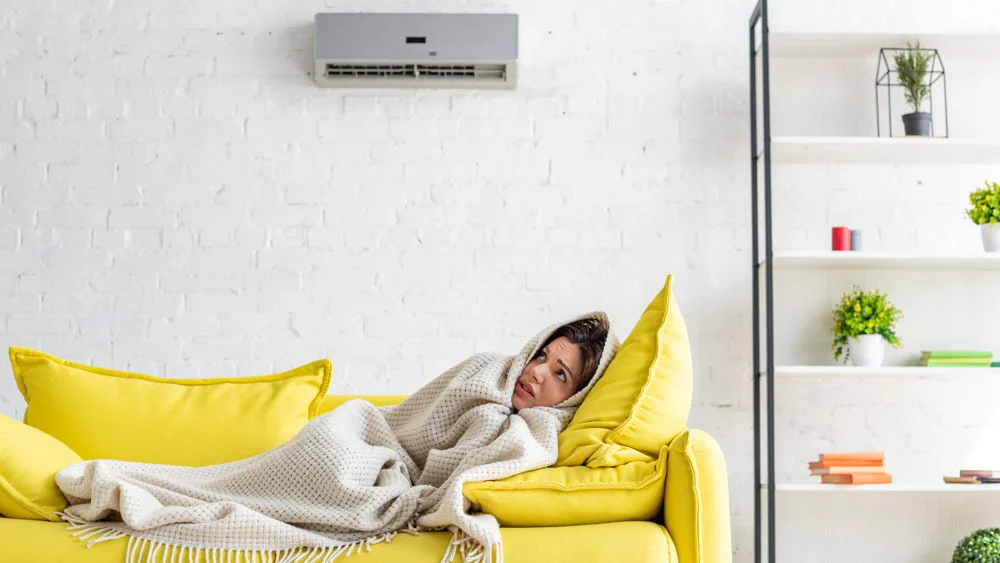


As temperatures soar across India this April, many are seeking refuge in air-conditioned spaces. However, doctors are reporting a surge in “summer colds”—a cluster of respiratory symptoms triggered not necessarily by a virus, but by our cooling habits.
As of April 20, 2026, health experts are highlighting how temperature shocks and dry air are impacting the respiratory systems of urban dwellers.
🌡️ The “Thermal Shock” Factor
The human body is resilient, but it struggles with rapid temperature swings. Moving from a 40°C outdoor environment to a 20°C room causes the blood vessels in the nose to constrict and dilate rapidly.
- Vasomotor Rhinitis: This sudden shift can trigger non-allergic nasal inflammation, leading to a runny nose, congestion, and sneezing.
- Cilia Stress: Extreme cold stresses the cilia (tiny hairs in the respiratory tract) that filter out dust and germs. When these “brooms” stop working efficiently, you become more susceptible to inflammation.
💧 The Dehydration of Air
Air conditioners cool by removing moisture, often dropping indoor humidity from a healthy 40–60% to a parched 20–30%.
- Mucosal Thinning: Dry air dehydrates the protective mucous lining in your nose.
- Viral Playground: When this natural barrier is compromised, any viruses present can multiply more easily, leading to actual infections that wouldn’t have otherwise taken hold.
🦠 The Maintenance Hazard: Dirty Filters
Sometimes, the sickness isn’t from the cold air, but from what’s in it. Poorly maintained AC units can be breeding grounds for:
- Mould and Bacteria: Damp cooling coils can harbor fungal spores.
- Recirculated Allergens: Dust and pollen trapped in old filters are continuously blown back into the room, causing persistent fatigue and “brain fog.”
🩺 Expert Advice for a Healthy Summer
Dr. Divya Gopal (Sir H.N. Reliance Foundation Hospital) and other experts recommend a “Step-Down” approach to cooling:
- The 10-Degree Rule: Try to keep the difference between indoor and outdoor temperatures within 8–10°C.
- Gradual Cooling: If it’s 40°C outside, set the AC to 28°C initially. Once your body acclimates, lower it to 24–26°C.
- Hydration: Drink more water to compensate for the drying effect of the AC on your respiratory membranes.
- Filter Care: Ensure your AC filters are cleaned or replaced every month during peak summer use.
When to see a doctor: If your “summer cold” lasts more than a week, or if you develop a high fever and body aches, it is likely a viral or bacterial infection rather than simple AC irritation.