
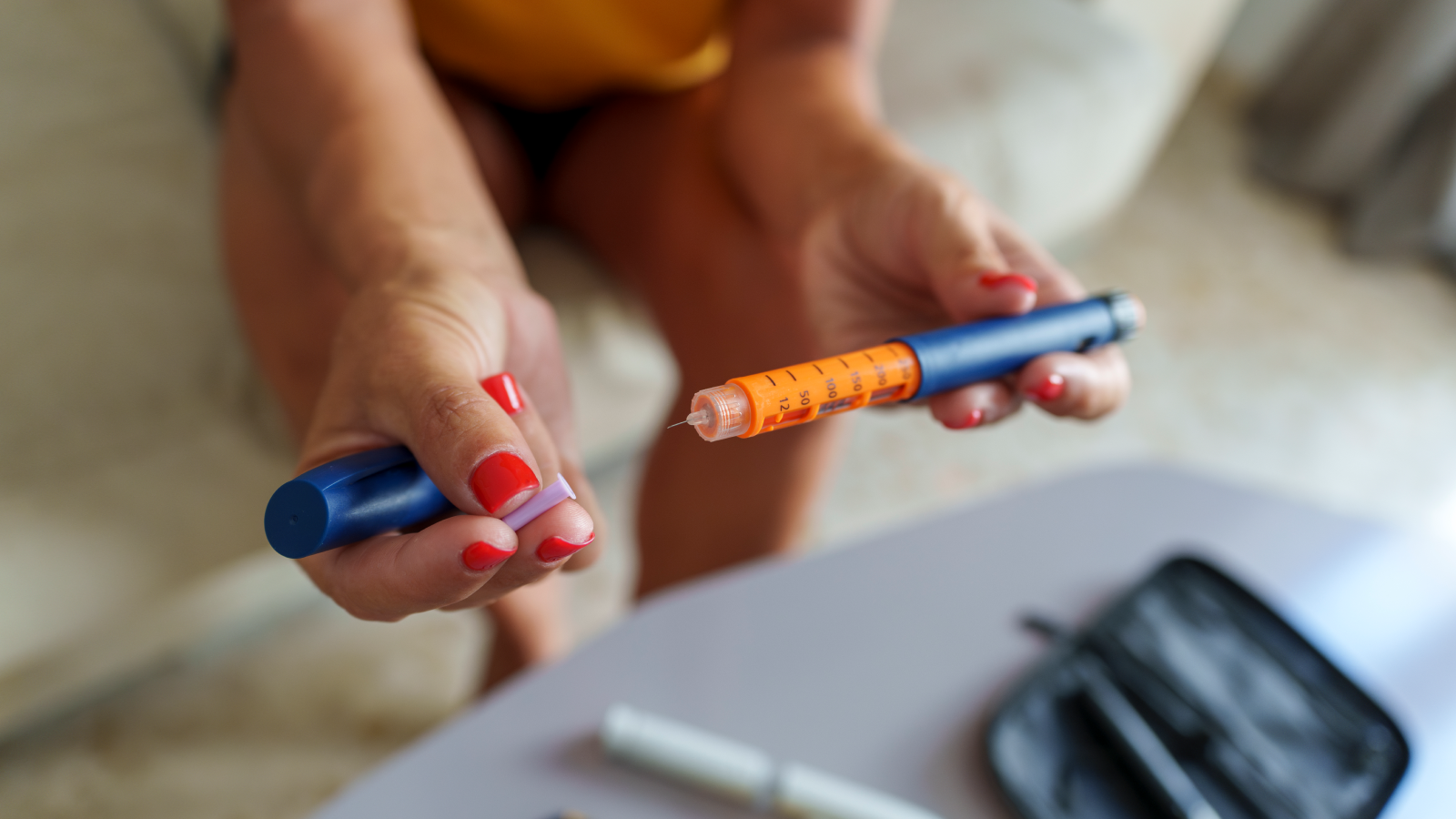


A vaccine originally developed more than 100 years ago to fight tuberculosis may soon have a surprising new role. Researchers are exploring whether the Bacillus Calmette-Guérin (BCG) vaccine, widely used to prevent severe forms of tuberculosis, could help improve blood sugar control and reduce insulin dependence in people living with Type 1 diabetes.
The findings have generated excitement among scientists because they suggest that a long-established vaccine could offer a new approach to managing an autoimmune disease that affects millions worldwide.
What Is the BCG Vaccine?
The BCG vaccine contains a weakened strain of bacteria related to tuberculosis and has been used globally for over a century. It is primarily administered to protect children against severe forms of TB and is also used as an immunotherapy treatment for certain types of bladder cancer.
Researchers have long known that BCG influences the immune system, leading scientists to investigate its potential benefits beyond infectious diseases.
How Could It Help Type 1 Diabetes?
Type 1 diabetes occurs when the immune system mistakenly attacks and destroys insulin-producing beta cells in the pancreas. As a result, people with the condition require lifelong insulin therapy to regulate blood sugar levels.
Researchers believe the BCG vaccine may help by modifying the immune response. Studies suggest it can increase the activity of regulatory T-cells, which help control autoimmune reactions and reduce inflammation.
The vaccine may also influence the body’s metabolism, improving how glucose is processed and potentially supporting better long-term blood sugar control.
What Have Studies Found?
Recent clinical trials have reported encouraging results. Researchers observed that some participants experienced:
- Reduced daily insulin requirements
- Improved blood sugar management
- Lower HbA1c levels, an important marker of long-term glucose control
- Better metabolic regulation over time
The research includes studies involving both juvenile-onset Type 1 diabetes and Latent Autoimmune Diabetes in Adults (LADA), a slower-progressing form of autoimmune diabetes.
Early Symptoms of Type 1 Diabetes
Early diagnosis remains important. Common symptoms include:
- Excessive thirst
- Frequent urination
- Unexplained weight loss
- Persistent fatigue
- Blurred vision
- Increased hunger
Anyone experiencing these symptoms should seek medical evaluation promptly.
Is It a Cure?
While the findings are promising, experts stress that BCG is not currently considered a cure for Type 1 diabetes. More large-scale clinical trials are needed to confirm its effectiveness, determine optimal treatment protocols, and understand long-term outcomes.
Researchers view the vaccine as a potential complementary therapy rather than a replacement for insulin treatment at this stage.
Safety and Considerations
The BCG vaccine has a long history of use and is generally considered safe. Common side effects may include:
- Mild redness or swelling at the injection site
- Low-grade fever
- Temporary discomfort
People with weakened immune systems should consult healthcare professionals before considering any off-label use of the vaccine.
Looking Ahead
The growing interest in BCG highlights how existing medicines and vaccines can sometimes find new applications in modern healthcare. If future studies confirm current findings, this century-old tuberculosis vaccine could become an important tool in improving the lives of people with Type 1 diabetes and other autoimmune conditions.
For now, researchers remain cautiously optimistic as further clinical trials continue to explore its full potential.