
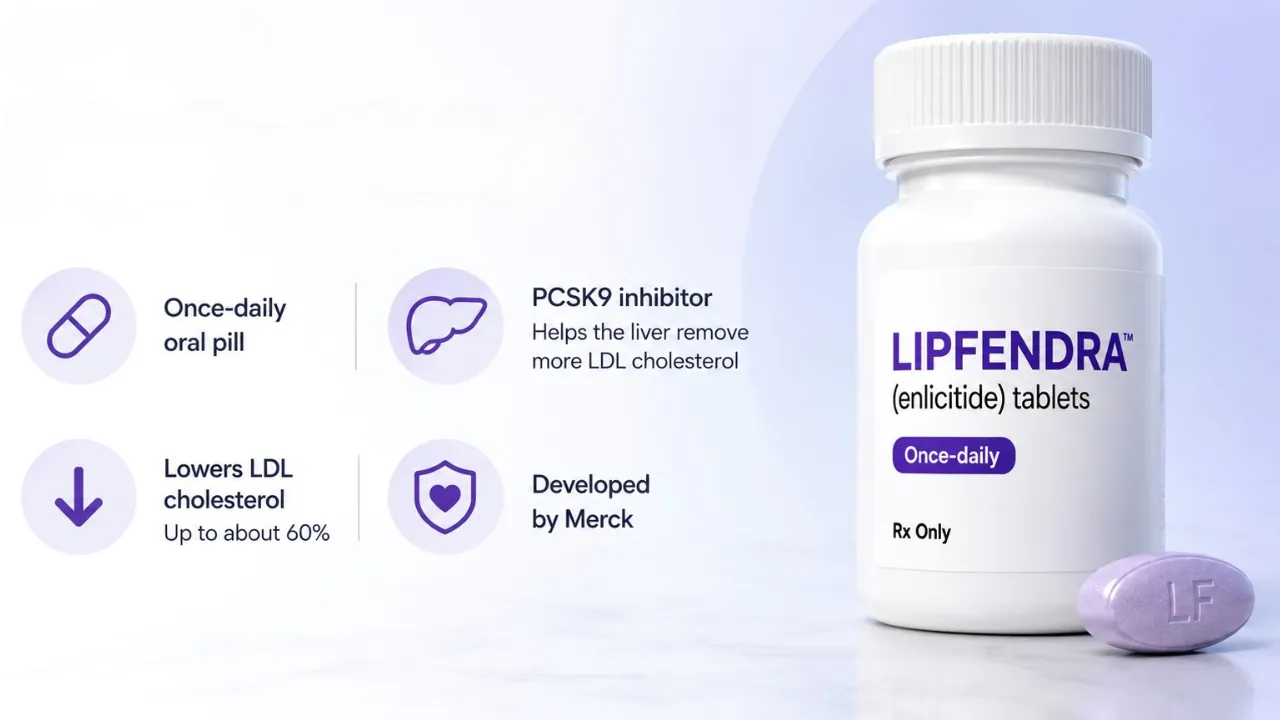

 has approved Lipfendra (enlicitide), marking a major milestone in cardiovascular medicine)
The U.S. Food and Drug Administration (FDA) has approved Lipfendra (enlicitide), marking a major milestone in cardiovascular medicine as the first once-daily oral PCSK9 inhibitor. Designed to lower low-density lipoprotein (LDL) cholesterol—often called “bad” cholesterol—the approval provides a convenient pill-form alternative to patients who previously relied on injectable therapies.
Lipfendra (enlicitide) is the first once-daily pill targeting the PCSK9 protein to lower LDL cholesterol.. Source: NCHStats
10 Essential Things to Know About Lipfendra
1. First-of-Its-Kind Oral Formulation
Until now, medications targeting the PCSK9 protein were available almost exclusively as injectable treatments (such as Repatha or Praluent). Lipfendra offers a daily tablet, making PCSK9 inhibition far more accessible to patients who prefer avoiding routine injections.
2. Who Is It Approved For?
Lipfendra is approved for adults with high cholesterol who need additional LDL reduction, as well as individuals with heterozygous familial hypercholesterolaemia (HeFH)—a genetic condition causing abnormally high baseline cholesterol levels.
3. How It Works
The medication works by inhibiting PCSK9 (proprotein convertase subtilisin/kexin type 9), a protein that normally limits the liver’s ability to clear LDL cholesterol from the bloodstream. By blocking PCSK9, the liver can absorb and clear significantly more bad cholesterol.
4. High Trial Efficacy
In clinical trials involving over 3,200 participants, Lipfendra demonstrated substantial efficacy:
- 56% average reduction in LDL cholesterol among adults with established or high-risk cardiovascular disease.
- 59% average reduction in adults with heterozygous familial hypercholesterolaemia (HeFH).
5. Designed to Target Unmet Needs
Lipfendra is intended for high-risk patients whose LDL cholesterol levels remain elevated despite maximum tolerated statin therapy, diet, and lifestyle adjustments.
6. Long-Term Cardiovascular Benefits
While clinical trials focused primarily on cholesterol lowering, decades of cardiovascular data show that significant LDL reductions directly correlate with reduced long-term risk of heart attack, stroke, and arterial plaque buildup.
7. Favorable Safety & Side Effect Profile
Clinical trials showed that Lipfendra was generally well tolerated. The most commonly reported side effects were mild, including:
- Diarrhea
- Dizziness
Discontinuation rates during trials were similar between participants receiving Lipfendra and those receiving a placebo.
8. Complements, Not Replaces, Statins
Lipfendra is not designed as a wholesale replacement for statins. Instead, it is prescribed alongside standard therapies or for individuals who experience statin intolerance.
9. Essential Role of Lifestyle Habits
Cardiologists emphasize that medication must be paired with foundational healthy habits, including a heart-balanced diet, regular aerobic exercise, weight management, and avoiding tobacco products.
10. Expanding Medical Options
Public health experts view Lipfendra as an important new tool in lipid management rather than a standalone fix, giving clinicians greater flexibility when tailoring cholesterol-lowering regimens.