
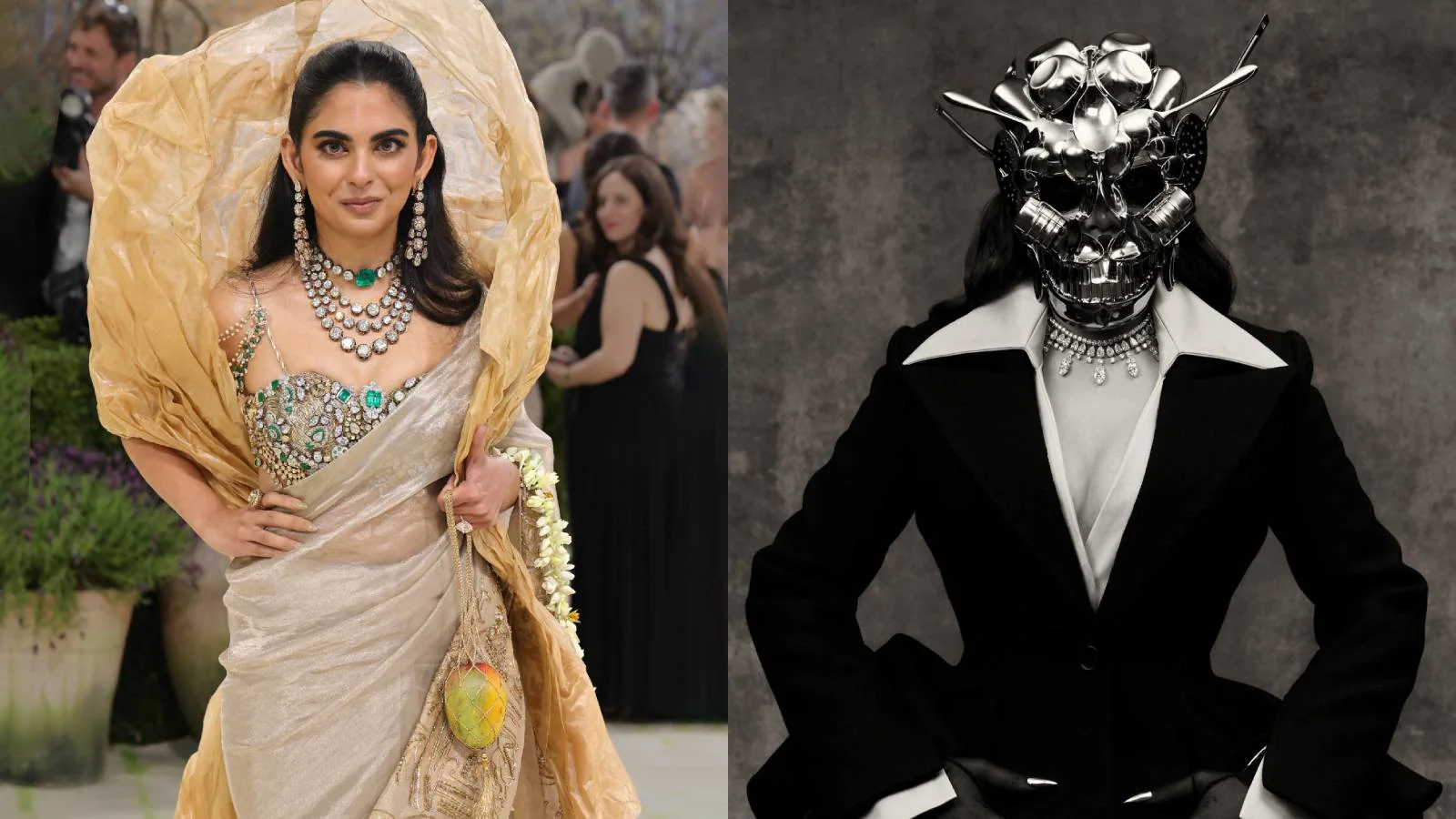


NEW YORK – The 2026 Met Gala red carpet witnessed a historic intersection of Indian contemporary art and global fashion. Subodh Gupta, the Bihar-born artist world-renowned for his massive installations made of stainless steel tiffins and milk pails, became the talk of the evening as his work transitioned from museum galleries to wearable masterpieces.
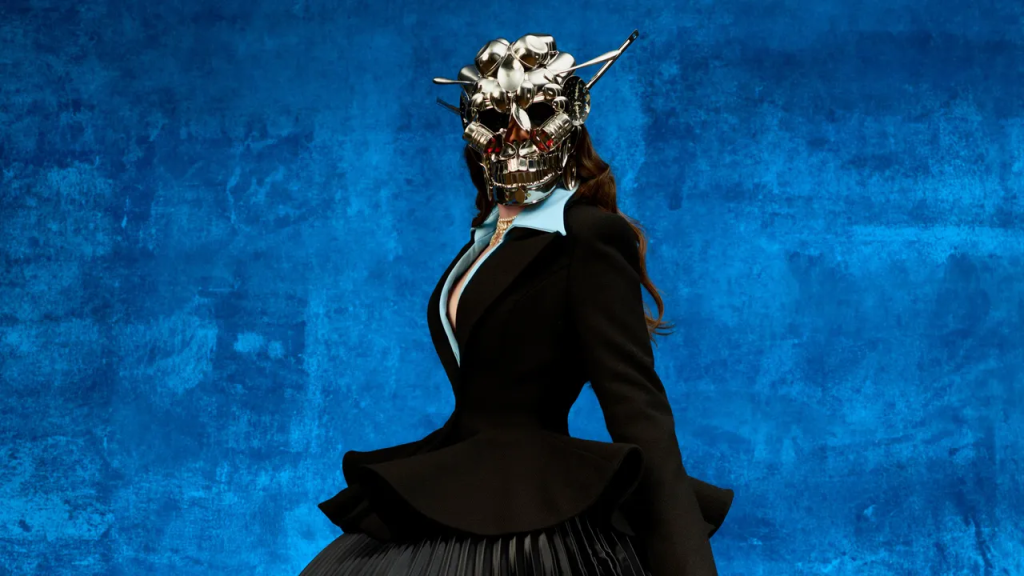
The artist’s signature style was brought to life by two prominent Indian figures:
- Isha Ambani: Carried a sculptural ‘mango’ purse, a playful yet symbolic nod to Gupta’s ability to elevate everyday Indian forms.
- Ananya Birla: Stunned in a ‘bartan’ (utensil) inspired face mask, transforming household kitchenware into a bold, high-fashion statement.
The Artist’s Journey: From Patna to Paris
Born in 1964 in Bihar, Subodh Gupta’s artistic roots are as grounded as the materials he uses.
- Early Influence: Before becoming a titan of the art world, Gupta worked in local theatre in Bihar, a background that clearly informs the “visual drama” and storytelling present in his large-scale sculptures.
- Education: He studied at the College of Arts and Crafts in Patna before moving beyond traditional painting to experiment with the ready-made objects of middle-class India.
Why ‘Kitchen Art’ Matters
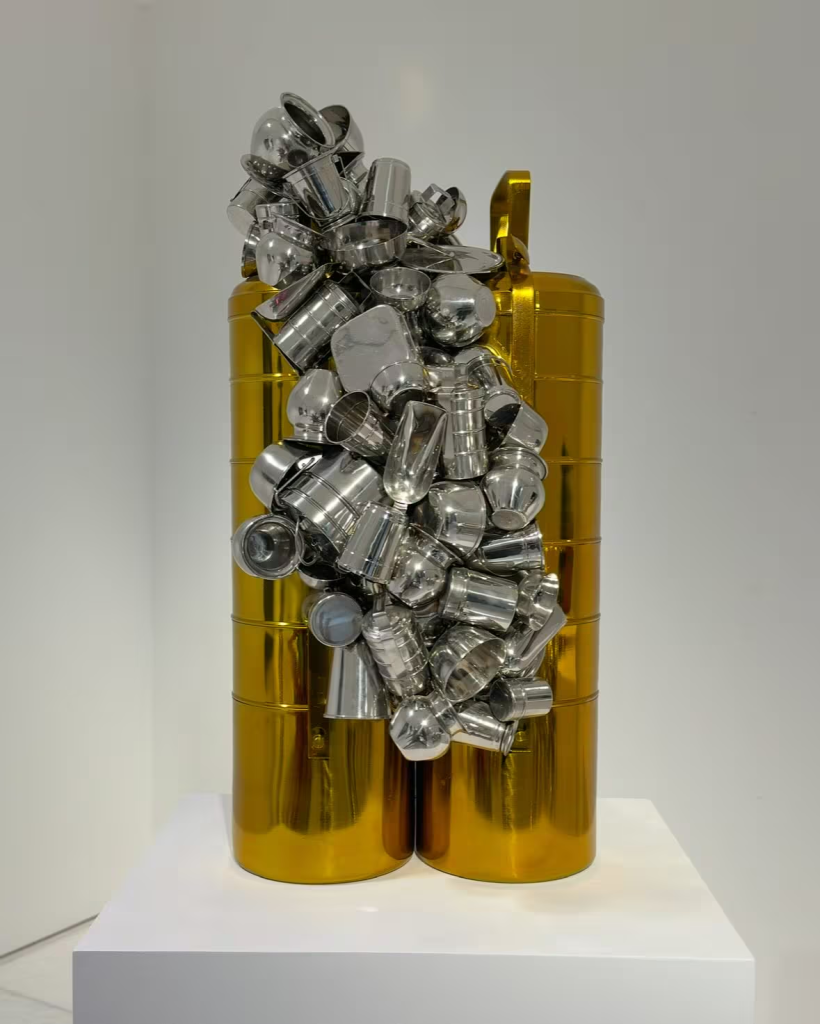
Gupta is often called the “Damien Hirst of Delhi,” but his work remains uniquely Indian. By using stainless steel utensils, tiffin boxes, and pails, he explores complex themes:
- Identity & Migration: The objects represent the “common man” and the movement of people.
- Duality: A pile of steel pots can symbolize both the abundance of a feast and the struggle of daily labor.
- Universal Language: While the objects are quintessentially Indian, the themes of globalization and consumption resonate with audiences from London to New York.
A Global Stage for Indian Art
Gupta’s presence at the Met Gala 2026 marks a significant shift in how Indian contemporary art is perceived internationally. By integrating his sculptures into the most-watched fashion event in the world, Ambani and Birla didn’t just wear outfits; they showcased a “distinctly Indian artistic language.”
From the iconic Very Hungry God (a skull made of kitchenware) to a Met Gala red carpet, Subodh Gupta continues to prove that there is profound beauty and high-art potential in the most mundane corners of an Indian household.