
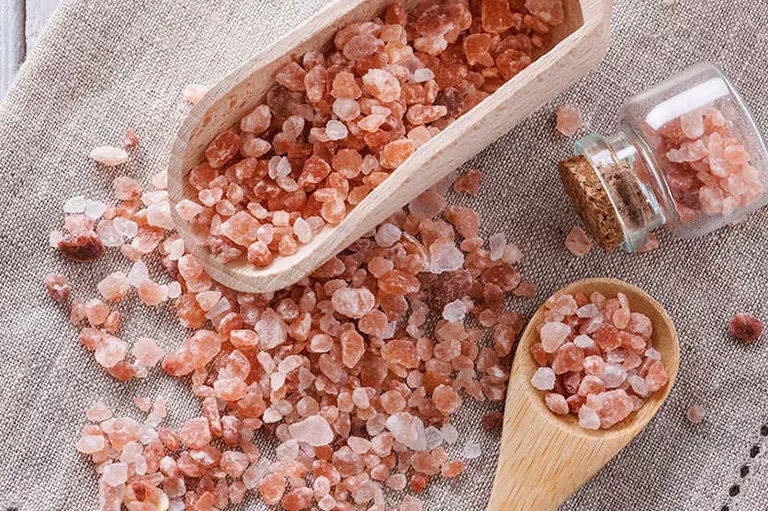


Rock salt is often marketed as a healthier alternative to regular table salt, but health experts caution that it may not be suitable for everyone. While it is widely used in Indian households, doctors warn that its effects can vary depending on an individual’s health condition—particularly for those with high blood pressure or kidney issues.
Rock Salt Still Contains Sodium, Which Raises Blood Pressure
Despite its “natural” image, rock salt still contains sodium, the main element responsible for increasing blood pressure.
For individuals with uncontrolled hypertension, excessive intake of rock salt can:
- Increase blood pressure levels
- Put extra strain on the heart
- Raise the risk of cardiovascular complications
Not Ideal for People With Kidney Disorders
Experts also caution that people with kidney problems should be careful while consuming rock salt.
Excess intake may:
- Increase stress on weakened kidneys
- Disturb electrolyte balance in the body
- Affect potassium levels, potentially raising heart-related risks
A study published in the Journal of Nephrology has also highlighted that excessive salt consumption in people with impaired kidney function may disrupt mineral balance and increase complications.
Low Iodine Content Can Be a Concern
Unlike iodised table salt, rock salt contains very little iodine.
This can be problematic because iodine is essential for:
- Proper thyroid function
- Hormonal balance
- Metabolic health
Relying only on rock salt in the diet may increase the risk of iodine deficiency over time.
Can Worsen Swelling and Water Retention
For people who already experience swelling in the hands, feet, or legs, high salt intake can worsen the condition.
Excess sodium may:
- Increase water retention
- Cause bloating and swelling
- Add pressure on the circulatory system
Experts Advise Balanced Salt Intake
Health professionals emphasize that the choice of salt should depend on individual health needs rather than popular trends.
The key takeaway is moderation—whether it is rock salt or regular table salt, excessive consumption can negatively impact health.
While rock salt is often considered a “natural” or healthier option, it is not universally safe. People with high blood pressure, kidney issues, or thyroid concerns should be particularly cautious and consult a healthcare professional before making dietary changes.