
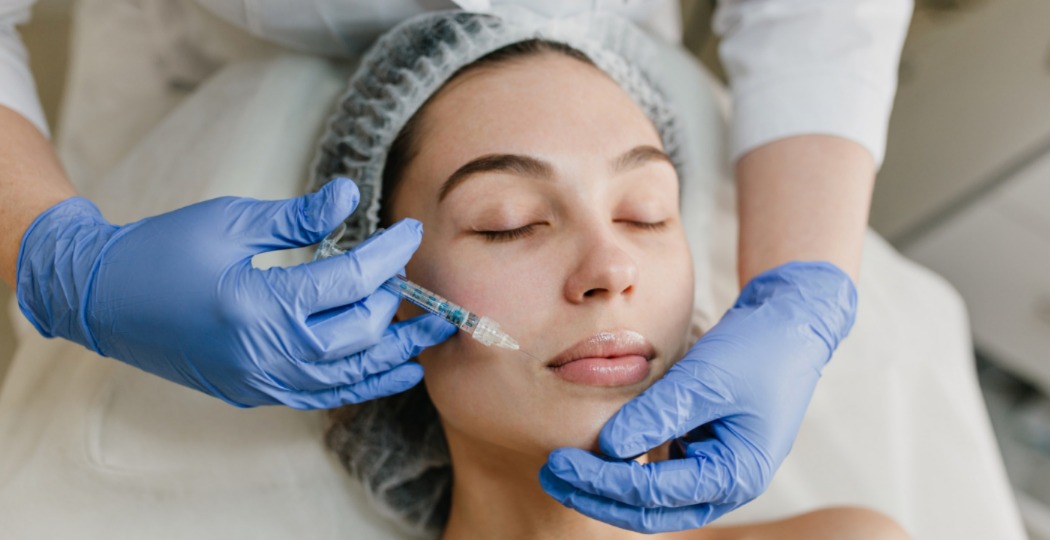


Preventive Botox is increasingly becoming a talking point among people in their 20s, shifting from a niche cosmetic treatment to a widely discussed beauty trend. The procedure involves using botulinum toxin injections before wrinkles become deeply set, with the aim of relaxing facial muscles early and preventing fine lines from turning into permanent creases.
According to dermatology experts, this approach is driven by changing beauty standards and the growing influence of social media, where youthful, smooth skin is often idealised. Many young adults now view preventive Botox as an extension of skincare routines rather than a medical-aesthetic intervention.
However, specialists caution that most people in their 20s may not medically need Botox. Skin at this age generally has strong collagen production, good elasticity, and natural repair capacity. For many, consistent skincare, sunscreen use, and healthy lifestyle habits can delay visible ageing without injectable treatments.
Doctors also highlight that starting Botox too early without clear signs such as strong expression lines or genetic predisposition may lead to unnecessary long-term dependency, both financially and psychologically. There is also concern that early aesthetic interventions can gradually normalise continuous cosmetic maintenance.
That said, experts do not dismiss preventive Botox entirely. When used conservatively under medical supervision, it can help soften early muscle movement and delay the formation of deeper lines. The key lies in moderation, precise application, and individualised assessment of facial structure and skin behaviour.
Ultimately, the growing interest in preventive Botox reflects a broader cultural shift in how ageing is perceived. Instead of addressing ageing later in life, many are now attempting to manage it earlier—but experts stress that informed decision-making and balance remain essential.