
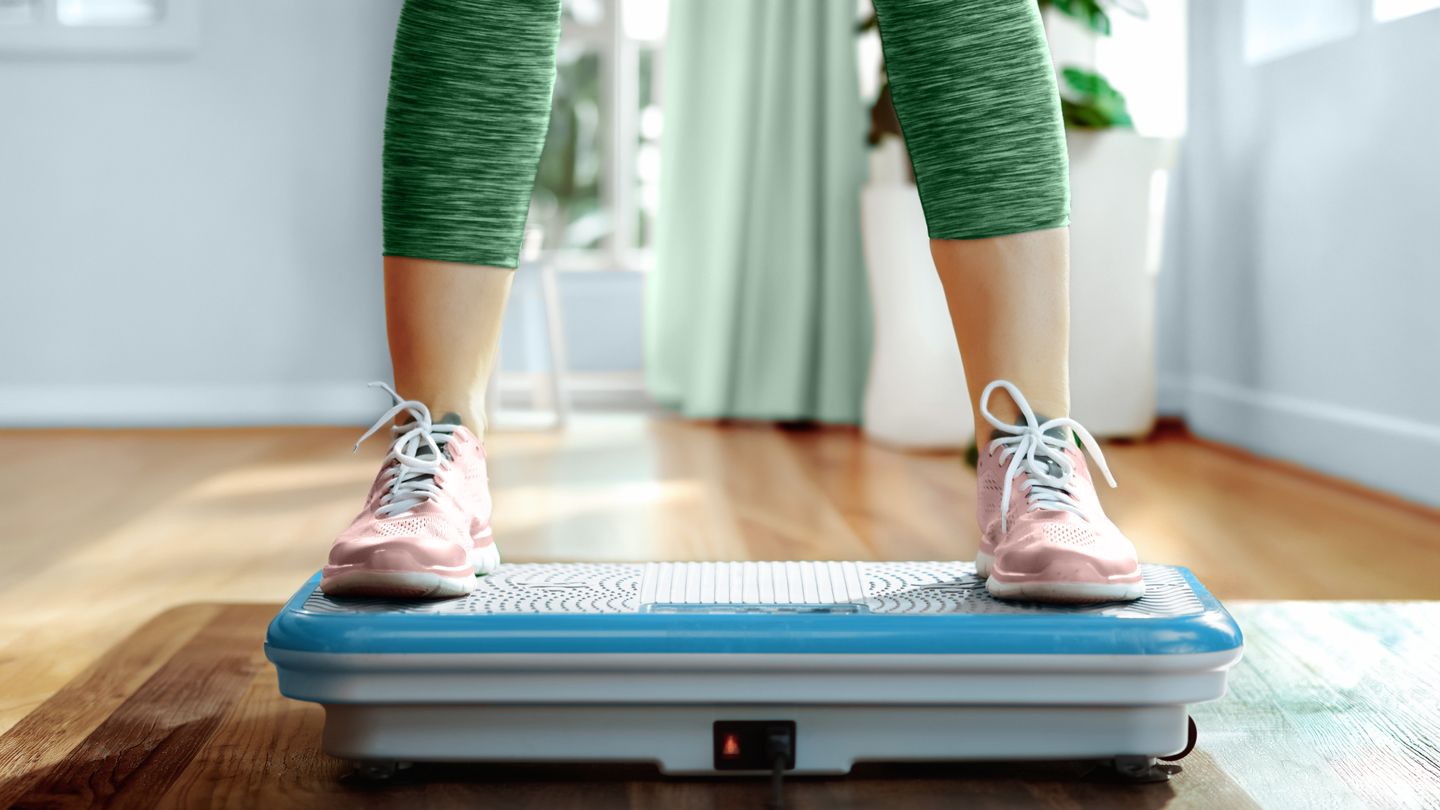


Vibration plates have become the latest fitness trend on social media, with influencers claiming they can help with rapid weight loss, muscle growth and even arthritis relief. However, experts say these machines may offer some benefits but are far from the miracle solution often portrayed online.
Dr Kshitij B. Mody, Orthopaedic Surgeon and Joint Replacement & Sports Medicine Specialist at Welcare Hospital, Vadodara, explains that whole-body vibration has been studied for decades in rehabilitation, sports medicine and elderly care. The basic concept involves the body making rapid involuntary muscle contractions to maintain balance while standing on a vibrating platform.
However, he warns that the results are often exaggerated in online promotions.
Can Vibration Plates Help With Weight Loss?
Weight loss is one of the biggest claims associated with vibration plates, but experts say they cannot replace regular exercise.
According to Dr Mody, vibration plates can increase muscle activity and burn some calories, but the calorie expenditure is much lower compared with traditional workouts.
Sustainable weight loss still depends on proven habits such as:
- Regular physical activity
- A balanced diet
- Adequate protein intake
- Consistent lifestyle changes
A few minutes on a vibration plate cannot provide the same metabolic benefits as walking, cardio or strength training.
Do They Build Muscle?
Research suggests vibration training can provide modest improvements in muscle activation and strength, especially among older adults, people with sedentary lifestyles and those recovering from injuries.
However, people already following progressive resistance training should not expect dramatic additional muscle growth. Building muscle still requires proper resistance exercises.
Can Vibration Plates Cure Arthritis?
Despite online claims, vibration plates cannot regenerate damaged cartilage or reverse arthritis.
Dr Mody says current evidence does not support claims that these machines can cure joint degeneration. Their real value lies in rehabilitation, where they may help improve:
- Balance
- Muscle coordination
- Strength
- Mobility after injuries
For patients recovering from orthopaedic conditions, vibration therapy may work best alongside physiotherapy rather than replacing it.
Who Should Avoid Vibration Plates?
Experts advise caution for people with certain health conditions. Those recovering from fractures, ligament injuries or joint replacement surgery should use vibration plates only after approval from their doctor.
People with conditions such as:
- Severe osteoporosis
- Certain spinal problems
- Implanted cardiac devices
- Uncontrolled heart conditions
- Pregnancy
should seek medical advice before using them.
Proper Technique Matters
Using a vibration plate incorrectly can increase strain on the body. Dr Mody recommends keeping the knees slightly bent while using the machine, as this allows muscles to absorb the vibration instead of transferring excessive force through the bones.
The Final Verdict
Vibration plates can be a helpful addition to fitness or rehabilitation programmes for suitable users, but they are not a shortcut to weight loss, stronger muscles or arthritis treatment.
Experts emphasize that traditional methods like walking, strength training and physiotherapy remain the foundation of long-term health and fitness.