


Whey protein has become one of the most popular dietary supplements, especially among fitness enthusiasts, athletes, and those looking to boost their daily protein intake. Derived from milk during the cheese-making process, whey is the liquid portion that separates from curds and is later processed into a convenient powder form.
What makes whey protein stand out is its fast absorption and complete amino acid profile. It contains all nine essential amino acids and is particularly rich in leucine — a key compound that plays a critical role in muscle protein synthesis and recovery.
Why Whey Protein Is So Popular
One of the biggest advantages of whey protein is how quickly it is digested and absorbed into the bloodstream compared to other protein sources. This makes it especially effective for post-workout recovery. Its high leucine content further enhances its ability to support muscle repair and growth.
Because of these benefits, whey protein is widely used not just by bodybuilders, but also by individuals aiming for weight management, improved nutrition, or overall fitness.
Types of Whey Protein: What’s the Difference?
1. Whey Protein Concentrate (WPC)
Whey protein concentrate is the least processed form, retaining many of the natural nutrients found in dairy. It typically contains around 70–80% protein, along with small amounts of fats and carbohydrates.
It is often the most affordable option and works well for general fitness, muscle building, and daily nutrition. However, it also contains more lactose, which may cause digestive discomfort for those who are lactose intolerant.
2. Whey Protein Isolate (WPI)
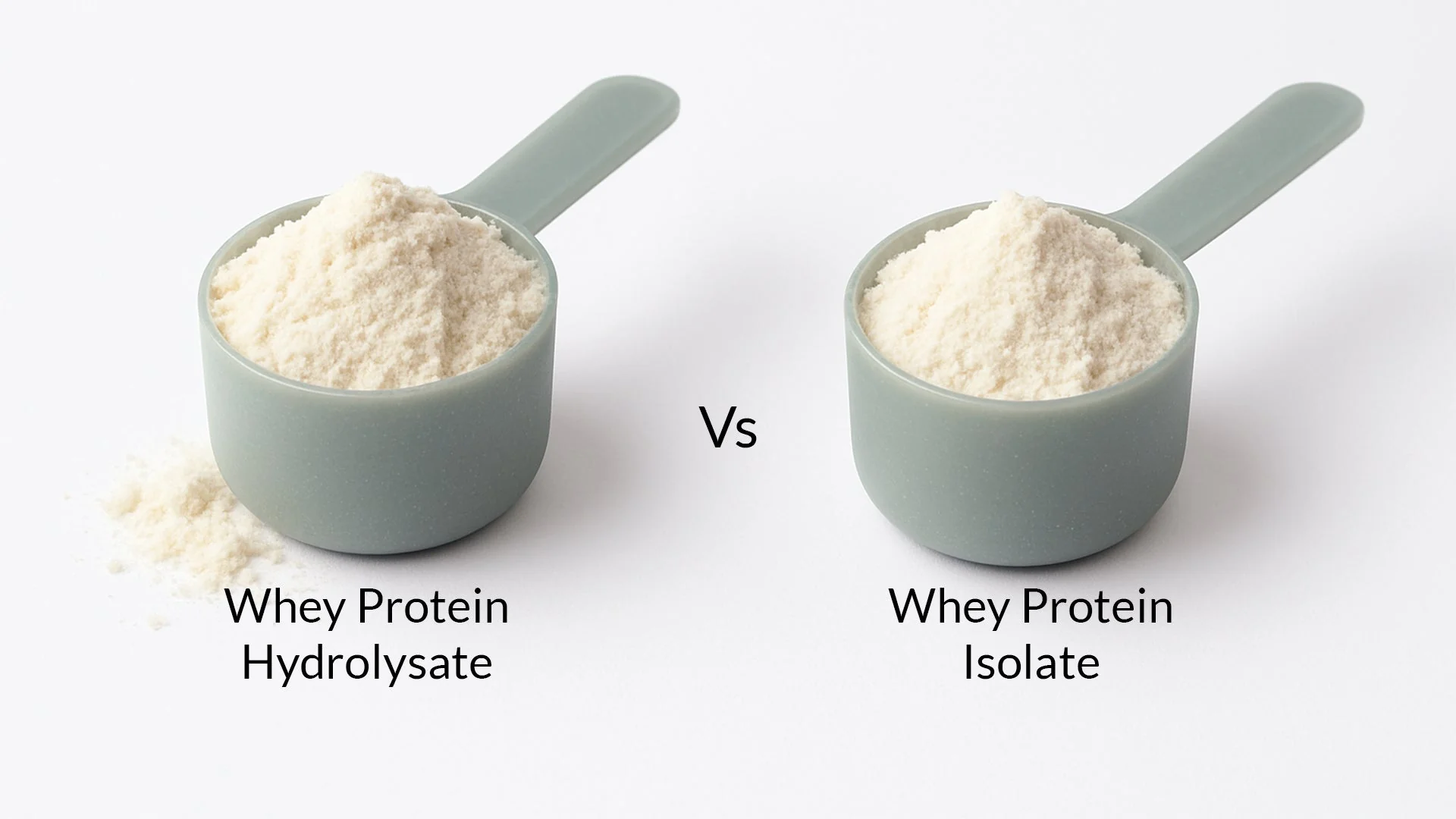
Whey isolate undergoes additional filtration to remove most fats, carbs, and lactose. This results in a higher protein content — usually 90% or more.
It is ideal for those on low-calorie or low-carb diets, as well as individuals with mild lactose intolerance. Athletes often prefer isolate for its cleaner nutritional profile and efficient recovery support, though it comes at a slightly higher price.
3. Whey Protein Hydrolysate (WPH)
Hydrolysate is the most processed form, where protein is pre-digested into smaller peptides. This allows for the fastest absorption and makes it easier on the digestive system.
It is commonly used in medical nutrition and by high-performance athletes who need rapid recovery. However, it tends to be more expensive and may have a slightly bitter taste.
Which Whey Protein Should You Choose?
Choosing the right type of whey protein depends on your goals, dietary needs, and budget:
- Go for Concentrate if you want a cost-effective option and don’t have issues with lactose. It’s suitable for most people and everyday fitness needs.
- Choose Isolate if you are cutting calories, managing lactose sensitivity, or want higher protein content with fewer extras.
- Pick Hydrolysate if you need ultra-fast absorption, have digestive concerns, or are focused on high-performance recovery.
Final Thoughts
There is no one-size-fits-all answer when it comes to whey protein. Each type offers unique benefits, and the right choice depends on your lifestyle and nutritional goals. Always check ingredient labels carefully and ensure the product aligns with your overall diet plan.
It’s also advisable to consult a qualified nutritionist or healthcare professional before adding any supplement to your routine.