
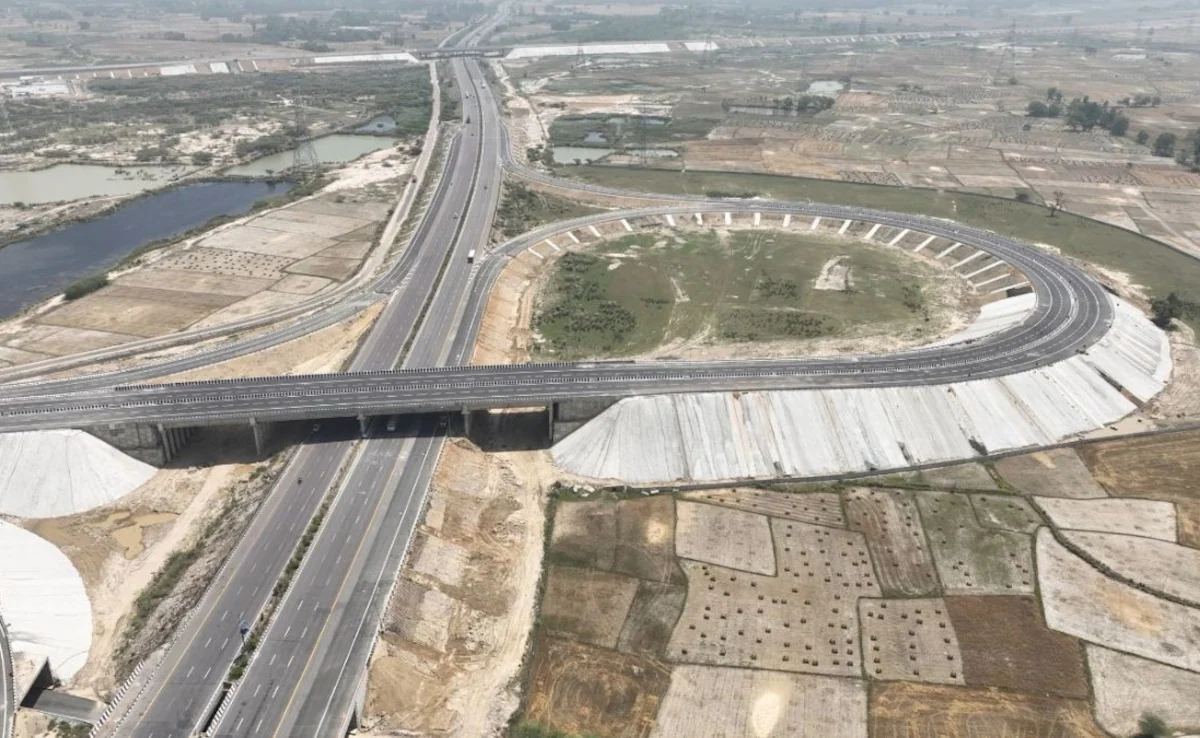


The newly operational Ganga Expressway in Uttar Pradesh has sparked discussion among commuters, not for its speed or connectivity alone, but for the toll cost of a full journey. A one-way car trip from Meerut to Prayagraj is estimated to cost around ₹1,500 to ₹1,800, making it one of the more expensive highway rides in the state in total terms.
What Makes the Toll Cost Add Up
The expressway charges approximately ₹2.55 per kilometre for cars. While this per-km rate is not the highest in Uttar Pradesh, the overall distance of 594 kilometres significantly increases the final toll amount. As a result, even a moderate rate translates into a steep total bill.
For other vehicles, costs rise sharply:
- Light commercial vehicles, buses, and trucks pay substantially higher rates
- Multi-axle vehicles may pay over ₹9,000 for a single trip
The toll is calculated strictly on distance travelled using FASTag-based, multi-lane free-flow technology, eliminating the need for physical toll booths.
Why It Feels Expensive
The key reason the toll feels high is the scale of the expressway. At 594 km, it is Uttar Pradesh’s longest expressway. Even standard rates accumulate into a large total payment over such a long stretch.
Interestingly, shorter expressways in the state, such as the Yamuna Expressway or Agra–Lucknow Expressway, may have equal or slightly higher per-km charges, but their shorter lengths keep total costs lower for commuters.
Time Saved vs Cost Paid
The expressway significantly reduces travel time between Meerut and Prayagraj—from about 11–13 hours earlier to roughly 6–7 hours, depending on traffic and speed. It also improves connectivity across 12 districts, strengthening links between western, central, and eastern Uttar Pradesh.
For many travellers, the key consideration becomes whether saving nearly half a day of travel justifies the toll expense.
The Bigger Picture
While the Ganga Expressway does not have the highest per-kilometre toll in the state, its long route length makes it one of the costliest single journeys in absolute terms. The debate ultimately comes down to convenience versus cost, especially for frequent highway users.