
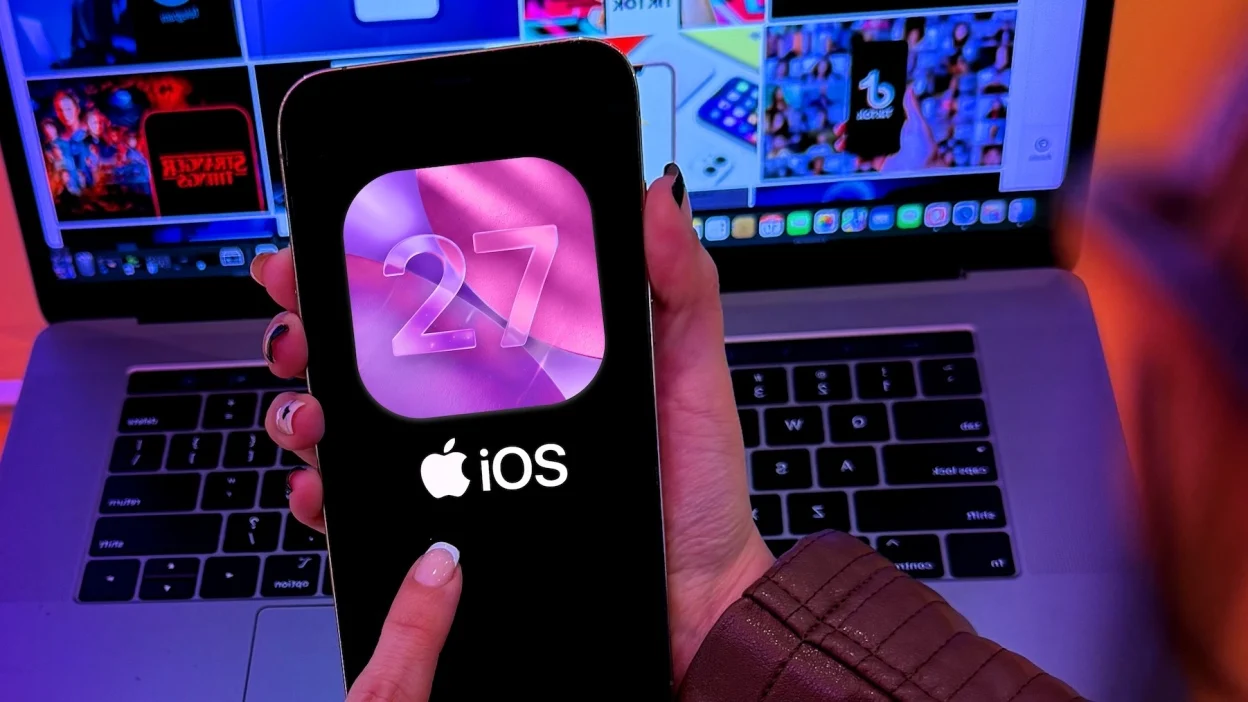

 on June 8. The update is likely to bring major changes)
Apple is expected to announce iOS 27 during its Worldwide Developers Conference (WWDC) on June 8. The update is likely to bring major changes, including a redesigned Siri, new Apple Intelligence tools, and a refreshed user interface.
However, not every iPhone owner will benefit equally. Some older devices may stop receiving major software updates altogether. At the same time, certain newer iPhones could receive iOS 27 but miss out on its most important AI-powered features.
As a result, experts believe resale values could be affected in the coming months.
iPhones Expected to Lose iOS 27 Support
According to recent reports, four iPhone models are expected to be removed from the iOS 27 compatibility list:
- iPhone 11
- iPhone 11 Pro
- iPhone 11 Pro Max
- iPhone SE (2nd Generation)
If the reports prove accurate, iOS 26 will be the final major operating system update for these devices.
Although Apple may continue providing security updates for some time, users of these models would no longer receive new features or major software improvements.
Apple Intelligence Could Be the Real Divide
The bigger story may not be about devices losing support. Instead, it could be about which iPhones can access Apple’s latest AI features.
Reports suggest iOS 27 will introduce a significantly upgraded Siri. The assistant may feature a chat-style interface and offer deeper integration with apps, messages, calendars, and web searches.
Additionally, the new Siri is expected to handle more advanced requests using artificial intelligence technology.
However, these features reportedly require the A17 Pro chip and at least 8GB of RAM.
Because of this requirement, only the following devices are expected to support the complete Apple Intelligence experience:
- iPhone 15 Pro
- iPhone 15 Pro Max
- Newer iPhone models
Which iPhones Will Miss Advanced AI Features?
Several iPhones are expected to receive iOS 27 but not the full Apple Intelligence package.
These include:
- iPhone 12 series
- iPhone 13 series
- iPhone 14 series
- iPhone 14 Pro models
- Standard iPhone 15
Users of these devices will still receive software updates and performance improvements. However, many AI-driven tools may remain unavailable.
Consequently, Apple could create a clear distinction between AI-capable and non-AI-capable iPhones.
Resale Value Concerns for Older Devices
Market data shows that older iPhones have already lost most of their original value.
Recent estimates suggest:
| Model | Current Value | Depreciation |
|---|---|---|
| iPhone SE (2nd Gen) | $39 | 90.2% |
| iPhone 11 | $88 | 87.4% |
| iPhone 11 Pro | $122 | 87.8% |
| iPhone 11 Pro Max | $172 | 84.3% |
Since these devices have already experienced heavy depreciation, experts believe the official announcement of iOS 27 may not significantly reduce their value further.
Nevertheless, some owners may still choose to sell before support officially ends.
Why iPhone 15 Owners Should Pay Attention
The standard iPhone 15 may face a different challenge.
Unlike older models, it still retains a considerable portion of its original value. Current estimates place its resale price at around $318, representing nearly 40% of its launch value.
Because it lacks the hardware required for Apple Intelligence, buyers may increasingly prefer Pro models that support advanced AI features.
As awareness of the feature gap grows, demand for the standard iPhone 15 could weaken.
Therefore, some analysts believe the resale value difference between the iPhone 15 and iPhone 15 Pro models may continue to widen.
Best Upgrade Option for Full iOS 27 Features
For users looking to access all expected iOS 27 features, a refurbished iPhone 15 Pro could be the most affordable option.
The device includes the A17 Pro processor and 8GB of RAM, meeting the reported requirements for Apple Intelligence.
Additionally, it is expected to remain eligible for major iOS updates for several more years.
What Happens Next?
Apple will officially reveal iOS 27 during WWDC. Until then, compatibility details remain based on reports and leaks.
Still, the upcoming update appears set to create a stronger separation between AI-ready iPhones and older devices. As a result, many users may begin reconsidering their upgrade plans before the new software arrives later this year.