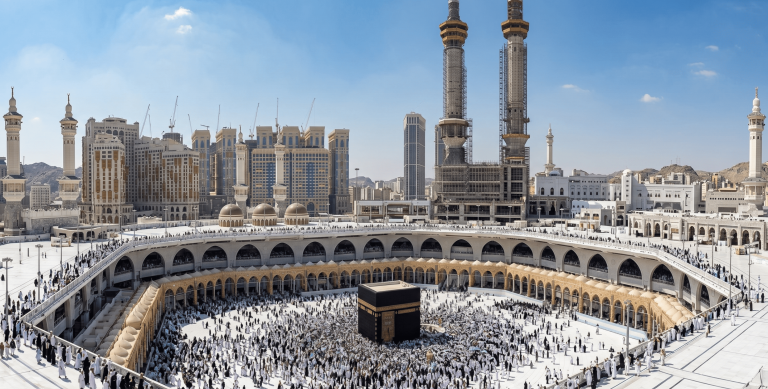
Hajj is one of the holiest and most significant pilgrimages in Islam, drawing millions of Muslims from across the world every year to Mecca. It represents a profound journey of faith, devotion, equality and spiritual renewal. For Muslims who are physically and financially capable, performing Hajj at least once in their lifetime is considered a religious obligation and one of the Five Pillars of Islam.

The pilgrimage is centred around Masjid al-Haram, home to the sacred Kaaba, regarded as the holiest site in Islam.
When Will Hajj 2026 Take Place?
Hajj is observed during the Islamic lunar month of Dhul Hijjah, the final month of the Islamic calendar. In 2026, Hajj is expected to begin around May 24 or May 25 and conclude around May 29 or May 30, depending on moon sightings in Saudi Arabia.

The main pilgrimage rituals are performed between the 8th and 13th days of Dhul Hijjah, though pilgrims often arrive in Mecca earlier for preparation and prayers.
Why Hajj Holds Deep Religious Significance
Hajj symbolises humility, equality and complete submission to God. During the pilgrimage, pilgrims wear simple white garments known as Ihram, which erase visible differences of wealth, nationality and social status.
The pilgrimage also commemorates the devotion and sacrifices of Prophet Ibrahim, his wife Hajar and their son Ismail. Many rituals performed during Hajj are directly connected to events from their lives and are seen as acts of remembrance, reflection and obedience to God.
For many believers, Hajj becomes a deeply emotional and life-changing spiritual experience focused on repentance, gratitude and strengthening faith.
Key Rituals Performed During Hajj
The pilgrimage consists of several sacred rituals carried out in and around Mecca. Pilgrims first enter the spiritual state of Ihram. Men wear two unstitched white cloths, while women dress modestly in simple attire.
One of the first rituals is Tawaf, where pilgrims circle the Kaaba seven times inside Masjid al-Haram. Pilgrims then perform Sa’i, walking seven times between the hills of Safa and Marwah, honouring Hajar’s search for water for her son.
Pilgrims later travel to Mina, where they stay in tents and spend time in prayer. One of the most important stages of Hajj is the Day of Arafat, when pilgrims gather at Mount Arafat for worship, reflection and seeking forgiveness.
After sunset, pilgrims proceed to Muzdalifah to collect pebbles used in the symbolic stoning ritual at Mina, representing Prophet Ibrahim’s rejection of temptation. Many pilgrims also perform Qurbani, or animal sacrifice, during the pilgrimage period.
How Hajj Concludes And Its Link To Eid al-Adha
After completing the major rituals, pilgrims return to Mecca to perform a final farewell Tawaf known as Tawaf al-Wida. Many also visit Medina and Al-Masjid an-Nabawi before returning home.
Hajj coincides with Eid al-Adha, which commemorates Prophet Ibrahim’s willingness to sacrifice his son in obedience to God. Muslims worldwide celebrate the festival with prayers, charity and meals shared with loved ones and those in need.
Who Can Perform Hajj?
Every adult Muslim who is physically healthy and financially able is expected to undertake Hajj at least once in their lifetime. Many people spend years saving money and preparing spiritually for the pilgrimage. Governments across several countries also organise official Hajj missions and travel arrangements for pilgrims each year.