


Growing differences between Iran’s civilian leadership and the IRGC over the Strait of Hormuz highlight contrasting
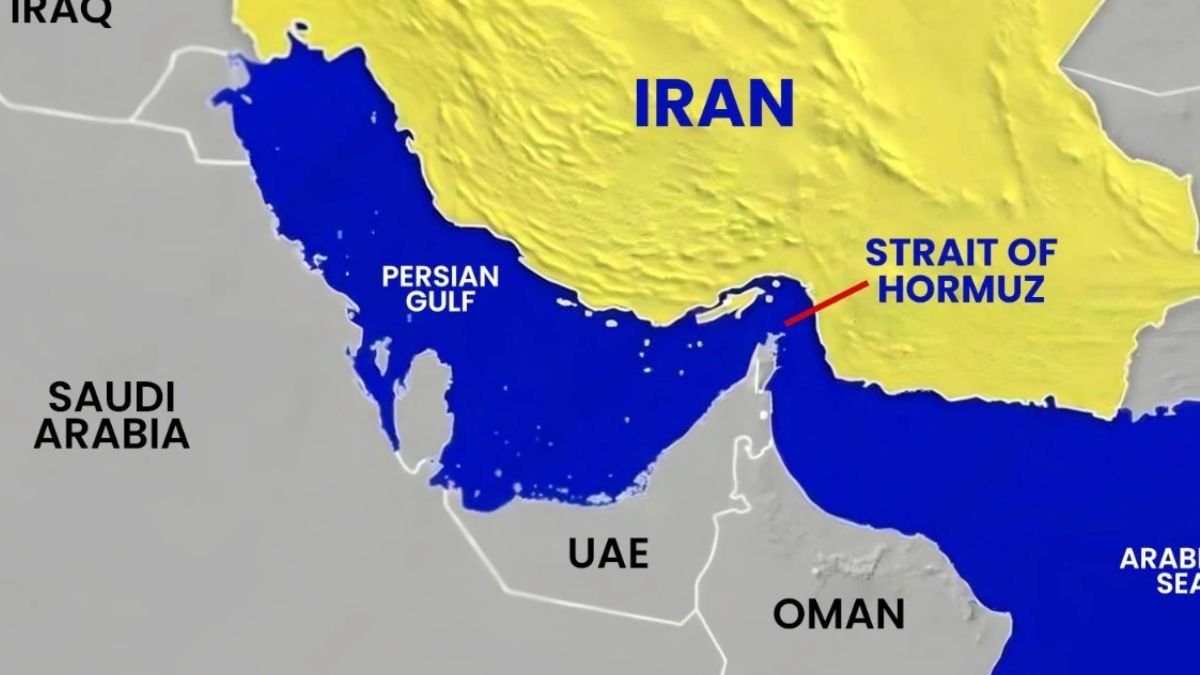
July 12, 2026: As tensions between Iran and the United States continue to rise, divisions within Tehran’s leadership are becoming increasingly visible. The key disagreement revolves around the Strait of Hormuz, one of the world’s most strategically important shipping routes. While the Islamic Revolutionary Guard Corps (IRGC) is reportedly pushing for a tougher approach to strengthen Iran’s leverage over the waterway, President Masoud Pezeshkian’s civilian government is advocating diplomacy to prevent further escalation.
According to Middle East analyst Kenneth Katzman of the Soufan Center, Iran’s hardline camp views control of the Strait of Hormuz as a major strategic asset capable of increasing pressure on the United States and deterring future military action. On the other hand, President Pezeshkian and Parliament Speaker Mohammad Bagher Ghalibaf are believed to support reopening indirect negotiations with Washington, with Oman expected to play a key mediating role in efforts to ease tensions.
The United States has repeatedly stressed that keeping the Strait of Hormuz open remains a strategic priority, as nearly one-fifth of the world’s oil trade passes through the route. Analysts say the internal debate within Iran could have significant implications for global energy markets, maritime trade, and regional security. They note that the long-term impact will depend on whether Tehran can adopt a unified strategy while balancing domestic priorities and international pressure.