
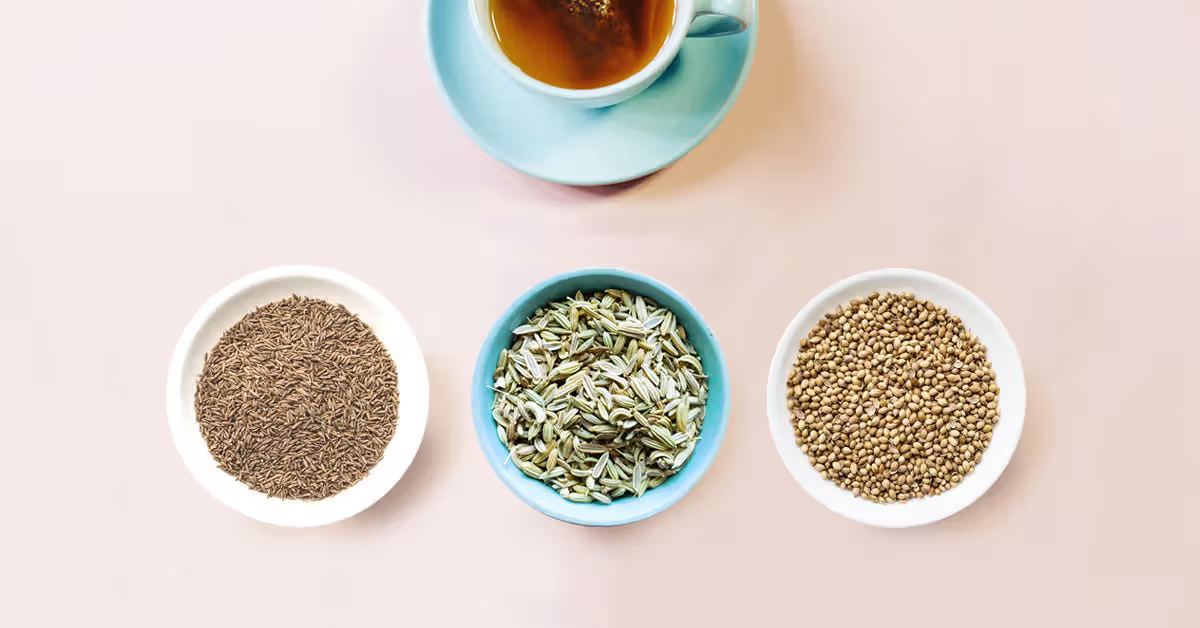


As temperatures rise during summer, many people turn to traditional home remedies to stay hydrated and support overall wellness. Among the most popular choices are soaked fennel seed (saunf) water and soaked fenugreek seed (methi) water. Both drinks have been used for generations and are valued for their health benefits. However, they serve different purposes, making it important to understand which one aligns better with your health and wellness goals.
Why Fennel Water Is Considered a Summer Favourite
Fennel seeds have long been associated with cooling properties in traditional wellness practices. Soaked fennel water is widely consumed during hot weather because it is light, refreshing and gentle on the digestive system. The seeds contain antioxidants and aromatic compounds that may help soothe the stomach and promote a feeling of freshness.
Many people prefer fennel water during summer because it is believed to help the body cope with heat while supporting hydration. Its naturally mild and slightly sweet flavour also makes it an easy addition to a daily wellness routine.
Fenugreek Water Offers Different Benefits
Fenugreek seeds provide a completely different nutritional profile. Rich in dietary fibre and beneficial plant compounds, fenugreek water is often chosen by individuals looking to support metabolism and overall digestive health. The fibre content may help promote digestive regularity and contribute to a feeling of fullness.
Unlike fennel water, fenugreek water has a slightly bitter taste and is traditionally considered more warming in nature. As a result, it may not provide the same refreshing sensation that many people seek during extremely hot weather.
How Both Drinks Support Digestion
Both fennel and fenugreek water are linked to digestive wellness, but they work in different ways. Fennel water is commonly consumed after meals and is traditionally used to reduce bloating, gas and digestive discomfort. Its soothing properties make it a popular choice for people with sensitive stomachs.
Fenugreek water, on the other hand, supports digestion primarily through its fibre content. The fibre may help maintain gut health, improve digestive regularity and support healthy bowel movements. People looking for long-term digestive support often incorporate fenugreek into their routine for this reason.
Which Drink Is Better for Staying Cool?
When the primary goal is staying cool and refreshed during summer, fennel water is generally considered the better option. Its traditional cooling reputation and light taste make it particularly suitable for hot and humid conditions. Many people find that it helps them feel more comfortable and hydrated throughout the day.
Fenugreek water can still be consumed during summer, but it is usually selected for its nutritional benefits rather than its cooling effects. Those focused on metabolic health may continue to include it in their diet despite its stronger flavour and warming nature.
Choosing Based on Your Wellness Goals
The decision between fennel water and fenugreek water largely depends on individual health priorities. If you are looking for a refreshing summer beverage that may help support digestion and provide a cooling effect, fennel water is often the preferred choice.
However, if your focus is on digestive regularity, fibre intake and metabolic support, fenugreek water may be more beneficial. Both drinks can be part of a balanced and healthy lifestyle when consumed in moderation and according to individual needs.
There is no single winner in the fennel versus fenugreek debate. Fennel water stands out for its cooling and refreshing qualities, making it a popular summer drink. Fenugreek water, meanwhile, offers valuable nutritional and digestive benefits that appeal to those seeking metabolic support. The ideal choice depends on your personal preferences, health goals and how your body responds to each drink. Individuals with existing medical conditions should consult a healthcare professional before making significant dietary changes.