
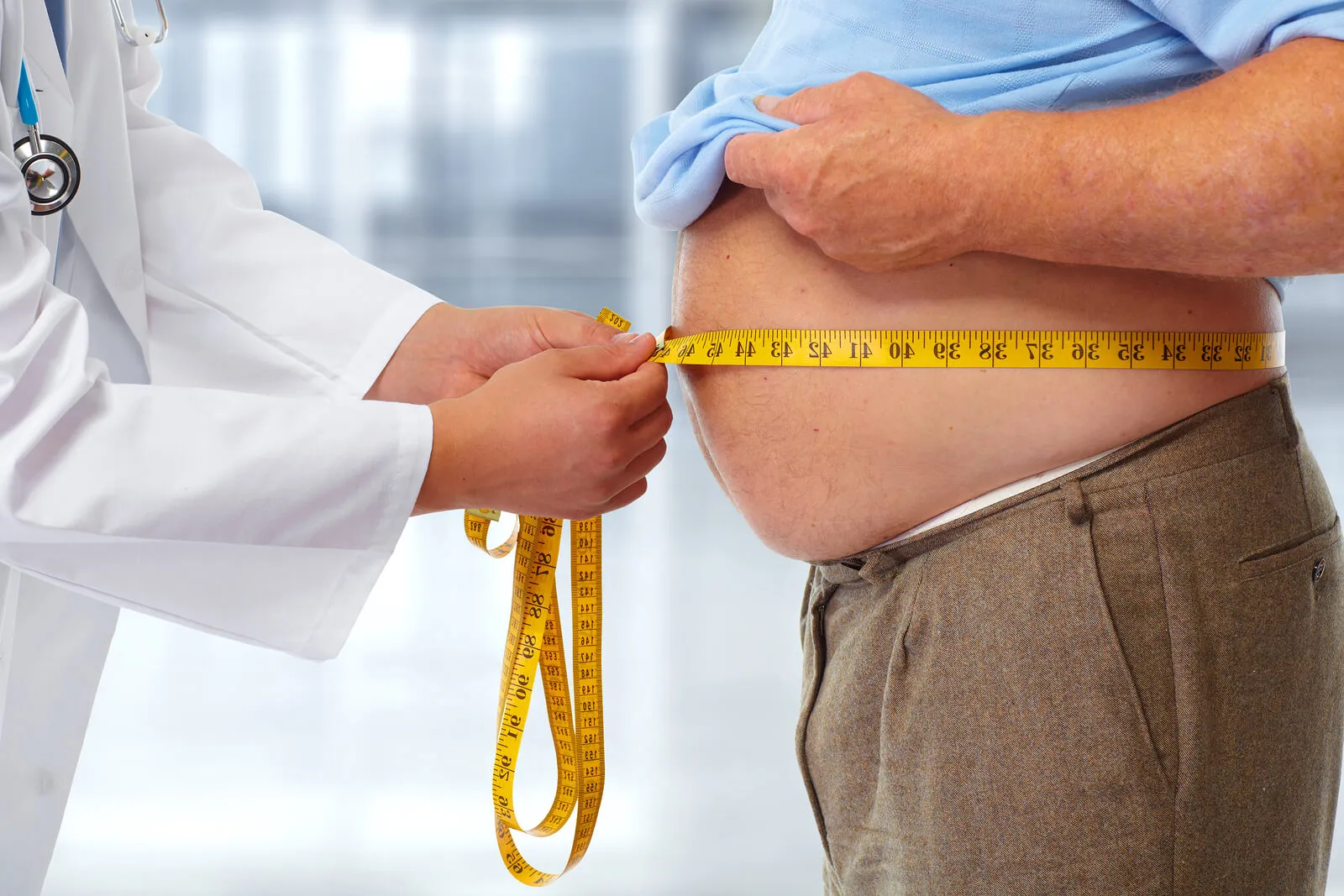


India is facing a rapidly growing obesity challenge, with the latest health data showing that more than one in four adults in the country are now overweight or obese. Once considered a problem largely associated with wealthier nations, obesity has emerged as a major public health concern across both urban and rural India, increasing the risk of diabetes, heart disease, hypertension, and several other chronic illnesses.
The findings highlight a significant shift in the country’s health profile, driven by changing lifestyles, reduced physical activity, increasing consumption of processed foods, and rising stress levels.
What Do Overweight and Obese Mean?
Body weight is commonly assessed using the Body Mass Index (BMI), which compares a person’s weight to their height. A BMI above 25 is classified as overweight, while a BMI above 30 is considered obese.
Although BMI is not a perfect measure of health, it remains one of the most widely used indicators for identifying individuals who may face increased health risks due to excess body weight.
Obesity Rising Among Both Men and Women
Recent survey data indicate that obesity rates have increased among both men and women across the country. Health experts note that the rise is not limited to a specific age group or gender, suggesting a broader lifestyle-related health challenge affecting millions of Indians.
Among men, more than one-third are now classified as overweight or obese, reflecting a steady increase compared to previous surveys.
Urban India Remains Most Affected
The prevalence of obesity continues to be significantly higher in urban areas than in rural regions. Sedentary jobs, long commuting hours, reduced physical activity, easy access to calorie-dense foods, and changing dietary habits are among the factors contributing to higher obesity rates in cities.
However, experts caution that rural India is also witnessing a gradual rise in obesity as lifestyles and eating patterns evolve.
Certain States Showing Alarming Numbers
Some states are reporting particularly high rates of overweight and obesity. Andhra Pradesh is among the most affected, with nearly half of the population falling into the overweight or obese category.
Similarly, Punjab continues to record some of the highest obesity levels in the country, reflecting a growing public health challenge at the regional level.
Why Obesity Is a Serious Health Concern
Obesity affects far more than appearance or body weight. Excess fat can trigger metabolic changes throughout the body, increasing the risk of numerous serious health conditions.
These include:
- Type 2 diabetes
- High blood pressure
- Heart disease
- Stroke
- Fatty liver disease
- Certain cancers
- Sleep disorders
- Joint problems
The health impact often develops gradually, making prevention and early intervention especially important.
Lifestyle Changes Driving the Trend
Experts point to several factors behind India’s expanding waistline. Increased consumption of processed foods, sugary beverages, and fast food has contributed to higher calorie intake. At the same time, screen-based work, digital entertainment, and reduced physical activity have significantly lowered daily energy expenditure.
Stress, inadequate sleep, and hormonal imbalances are also increasingly recognized as contributors to weight gain.
Prevention Starts with Everyday Habits
Health professionals emphasize that obesity is preventable in many cases through sustainable lifestyle changes. Regular physical activity, balanced nutrition, portion control, adequate sleep, and stress management remain the foundation of healthy weight management.
Small daily improvements often produce better long-term results than extreme diets or rapid weight-loss programs.
A Challenge India Cannot Ignore
As obesity rates continue to climb, managing excess weight is expected to become one of India’s most significant healthcare challenges in the coming decades. The burden extends beyond individual health, placing increasing pressure on healthcare systems and contributing to rising rates of chronic disease.
Experts believe that greater awareness, preventive healthcare, healthier food choices, and more active lifestyles will be essential to reversing the trend and protecting future generations from obesity-related illnesses.