
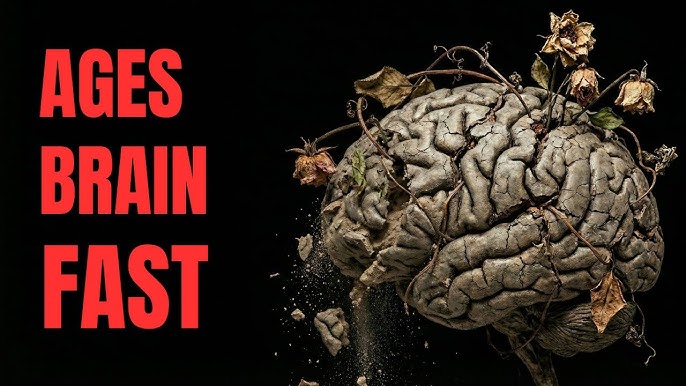


While gray hair and wrinkles are visible signs of biological aging, a different and quieter form of aging can happen deep inside our minds. According to Dr. Utkarsh Bhagat, Director & Senior Consultant of Neurosurgery at Narayana Hospital, Gurugram, the brain does not always age at the same pace as the rest of the body. Everyday lifestyle choices can silently accelerate cognitive wear and tear, making the brain biologically older than a person’s chronological age—a phenomenon scientists call the Brain Age Gap (BAG).
Research analyzing brain scans of over 40,000 individuals highlights that a higher biological brain age significantly raises long-term health risks. Dr. Bhagat notes that each year of accelerated brain aging boosts the risk of Alzheimer’s disease by approximately 16.5% and increases overall mortality risk by nearly 12%. Furthermore, scientists have identified a critical tipping point at a 2.5-year Brain Age Gap. Once the mind crosses this threshold, cognitive decline accelerates rapidly, leading to sharper drops in memory, information processing speed, and attention, while simultaneously increasing the risk of stroke and major depressive disorders.
The primary culprits behind premature brain aging are often ordinary, overlooked habits. Chronic stress continuously floods the system with cortisol, a hormone that can physically shrink the hippocampus—the region of the brain vital for memory and learning. Additionally, chronic sleep deprivation severely hampers the brain’s ability to rest and repair itself. Ultimately, maintaining cognitive health is less about the numbers on a birth certificate and more about managing daily habits to prevent unnecessary structural damage.