


- Advertisement -
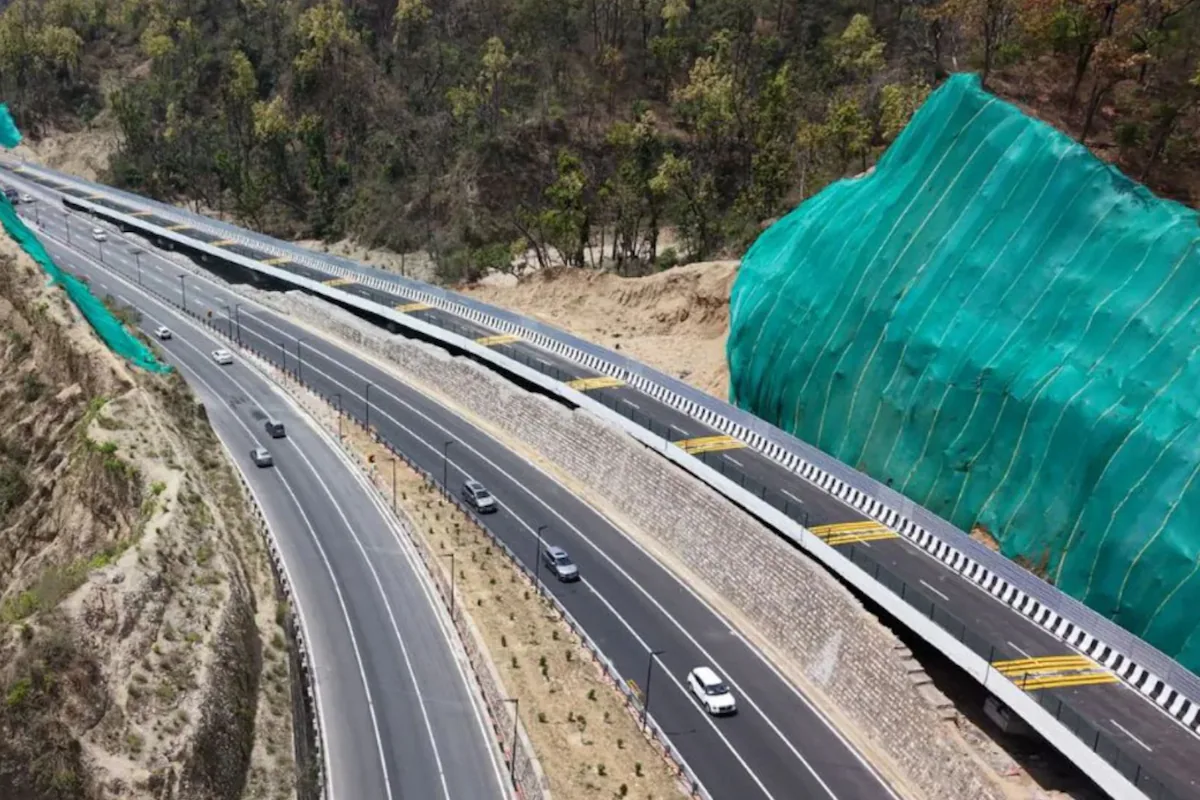
The recently inaugurated Delhi-Dehradun Expressway has drastically altered regional connectivity, cutting down the travel time between Delhi’s Akshardham and Dehradun from six hours to a mere 2.5 hours. Built with an investment of ₹12,000 crore, this 213 km, six-lane, access-controlled highway features high-speed infrastructure including 113 vehicular underpasses and 76 km of service roads.
However, because the infrastructure is entirely new, travelers must follow a strict preparation checklist and adhere to specific safety regulations to ensure a smooth journey.
Mandatory Travel Checklist
- Fuel and Charging: Top off your fuel tank or fully charge your EV before entering the corridor. There are currently no operational petrol pumps or electric vehicle charging stations along the route.
- Provisions: Carry plenty of water, snacks, and a first-aid kit. Rest areas and food courts are still under construction.
- Mechanical Check: Ensure your tire pressure and tread wear are inspected. Traveling consistently at the high-speed limit of 100 km/h increases the risk of tire bursts if equipment is degraded.
- Navigation: Be prepared for digital navigation lags (such as Google Maps) after passing Saharanpur. Rely closely on on-road physical signage and stay in the designated lanes.
Crucial Safety and Wildlife Regulations
- Vehicle Restrictions: Slow-moving vehicles, including two-wheelers, auto-rickshaws, and tractors, are strictly prohibited on the expressway. Only high-speed vehicles are allowed.
- Strict Enforcement: Traffic violations like speeding, tailgating, or wrong-lane driving are actively monitored and penalized with heavy fines via an automated electronic camera network.
- Wildlife Protection Zone: While crossing the 12 km elevated wildlife corridor running through Rajaji National Park, drivers are strictly prohibited from honking to protect native wildlife. Drivers must maintain steady speeds and switch to low-beam headlights if traveling at night.
- Emergencies: In the event of a vehicle breakdown, immediately activate your hazard lights, move safely to the shoulder if possible, and dial the official highway helpline.