
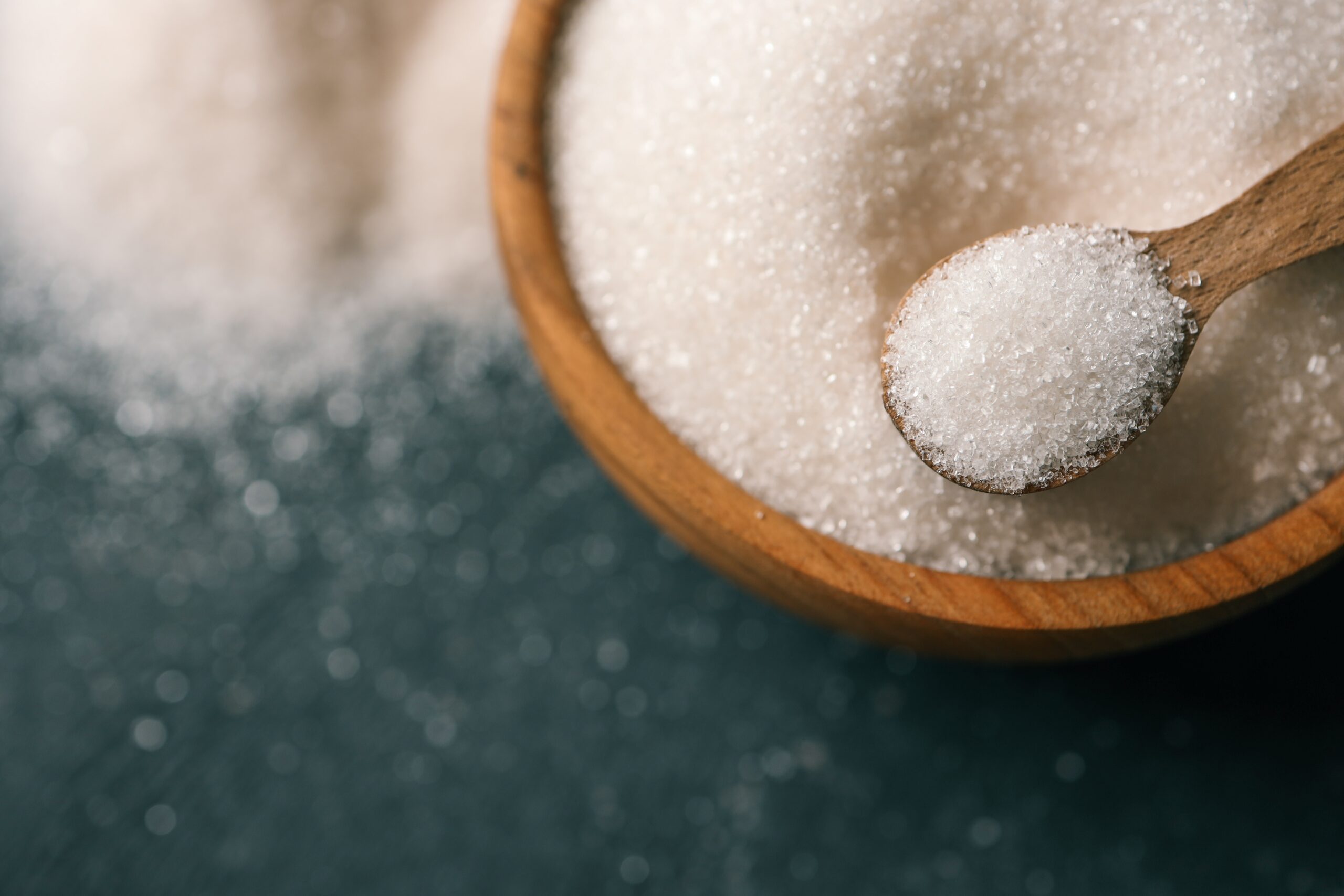


There is a widespread belief that cutting out sugar can help “starve” cancer cells. However, medical experts say the reality is far more complex, and misunderstanding this concept may lead patients to adopt harmful dietary restrictions during treatment.
Oncologists caution that while cancer metabolism does involve higher glucose consumption, the human body cannot function without glucose, making complete elimination of carbohydrates unsafe.
The Science Behind Cancer And Glucose Use
The idea originates from the Warburg Effect, first observed in 1924, where cancer cells were found to consume significantly more glucose than normal cells. This characteristic is also used in PET-CT scans, where cancer cells absorb glucose-based tracers more aggressively, helping detect tumours.
However, experts emphasize that increased glucose uptake does not mean cancer can be controlled by removing sugar from the diet.
Why Cutting Sugar Completely Can Harm Patients
Doctors explain that glucose is essential for the brain, heart, immune system, and red blood cells. When carbohydrates are removed entirely, the body compensates by producing glucose from muscle and protein, a process that can weaken the patient over time.
Oncologists also highlight that cancer often triggers cachexia, a condition that causes severe muscle loss and weight reduction regardless of food intake, making strict dietary restriction even more dangerous.
Nutrition Becomes Critical During Cancer Treatment
Medical experts warn that extreme diets can reduce the body’s ability to tolerate treatments such as chemotherapy, radiation, and immunotherapy. Lower protein levels and weakened immunity may force delays or interruptions in treatment cycles, reducing effectiveness.
Instead of restricting food groups entirely, doctors recommend maintaining a balanced nutritional intake to support strength and recovery during therapy.
What Cancer Patients Should Eat Instead
Specialists recommend focusing on a diet that stabilises blood sugar levels rather than eliminating carbohydrates. Foods with a low glycaemic index such as whole grains, pulses, vegetables, healthy fats, and adequate protein are preferred.
Highly processed foods, refined sugar, and sugary drinks are discouraged because they contribute to unhealthy glucose spikes without providing essential nutrition.
Role Of Fasting In Cancer Care
Although some early research has explored intermittent fasting in cancer therapy, experts say evidence in humans is still insufficient to recommend it broadly. In many cases, especially for patients already experiencing weight loss, fasting may worsen nutritional deficiencies.
Doctors advise that any dietary changes during cancer treatment should only be made under strict medical supervision.