
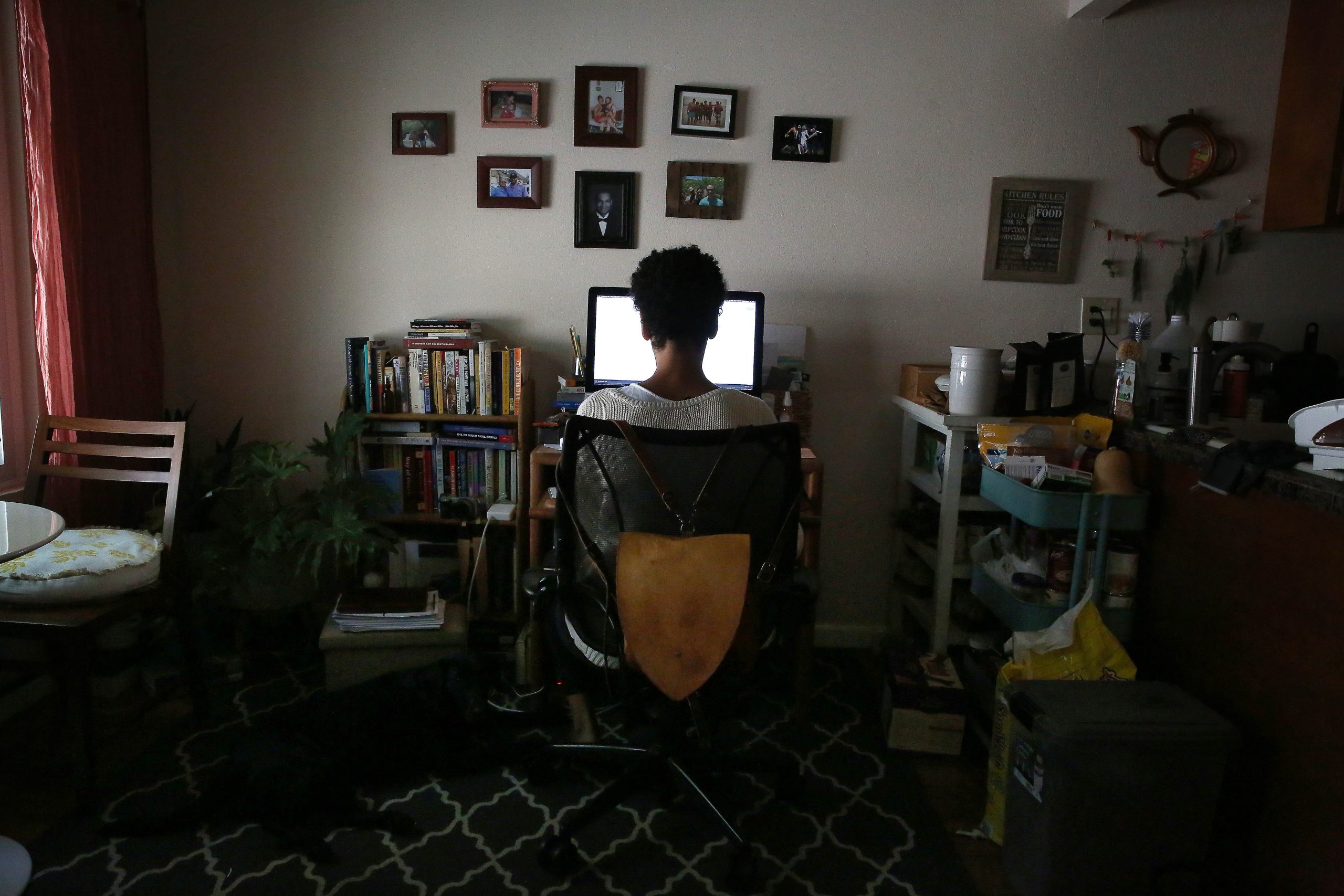


The debate over remote work versus office-based work continues to divide employees and employers. While working from home offers flexibility, eliminates commuting, and improves work-life balance for many people, new research suggests that it may also come with hidden social and mental health costs.
A recent study published in the journal Science has found that employees working in remote roles are significantly more likely to experience social isolation and spend long periods without any human interaction.
What the Study Found
Researchers analyzed data from more than 500,000 workers in the United States between 2011 and 2024, excluding the peak pandemic years. The study compared employees in jobs that can be performed remotely, such as software development, marketing, and administrative roles, with workers in professions that require physical presence.
The findings revealed that people in remote jobs experienced:
- A 58% increase in hours spent alone during the workday
- A 72% higher likelihood of spending an entire day without any human contact
- Increased visits to mental health professionals
- Lower self-reported mental well-being
Researchers noted that some remote workers reported going through an entire day without speaking to or interacting with another person, whether at work, in public places, or even during routine errands.
The Benefits of Remote Work Remain Significant
Despite the findings, researchers emphasized that the study does not suggest remote work is inherently harmful.
Many employees continue to value remote work because it offers:
- Better work-life balance
- Reduced commuting time and costs
- More flexibility for family responsibilities
- Greater accessibility for people with disabilities
- More time for personal health and fitness
Several studies have even found that workers are willing to accept lower salaries in exchange for the option to work remotely.
The Social Cost of Working From Home
One of the most surprising findings was that remote workers were not necessarily compensating for reduced workplace interaction by socializing more after work.
Researchers observed that people working remotely often spent less time with friends and social groups outside working hours compared to employees in non-remote occupations.
This reduction in social engagement may contribute to feelings of loneliness and emotional isolation over time.
Why Human Connection Matters
Social interaction plays an important role in mental and emotional well-being. Casual conversations with colleagues, friends, neighbors, or even brief daily interactions can help reduce feelings of loneliness and strengthen a sense of belonging.
Experts suggest that remote workers should make a conscious effort to maintain social connections through:
- Regular in-person meetups
- Coworking spaces
- Team gatherings
- Community activities
- Exercise groups or hobby clubs
The Bottom Line
Remote work continues to offer valuable flexibility and convenience, but the latest research highlights an important challenge: prolonged isolation. As more organizations adopt hybrid and remote work models, finding ways to maintain meaningful human connection may become just as important as productivity and efficiency.
The study serves as a reminder that while technology can keep us connected professionally, genuine social interaction remains essential for long-term mental well-being.