


From detox teas and seed cycling to hormone-balancing supplements and intermittent fasting, social media is packed with wellness trends claiming to naturally “fix” women’s hormones. However, gynaecologists caution that while some of these practices may support overall health, many of the bold claims are not backed by scientific evidence.
Doctors stress that hormones are regulated by a complex network involving the brain, ovaries, thyroid, adrenal glands and metabolism, making it impossible to “reset” them with a single drink, supplement or diet.
Detox Drinks Don’t Reset Hormones
According to experts, the body’s liver and kidneys already perform the job of eliminating toxins efficiently. There is no scientific evidence to support claims that detox teas, juice cleanses or detox drinks improve hormonal balance.
Doctors also warn that repeated detoxes and severe calorie restriction may actually increase cortisol, the body’s stress hormone, potentially disrupting ovulation and leading to irregular or missed periods.
Seed Cycling: Healthy, But Not a Proven Hormone Fix
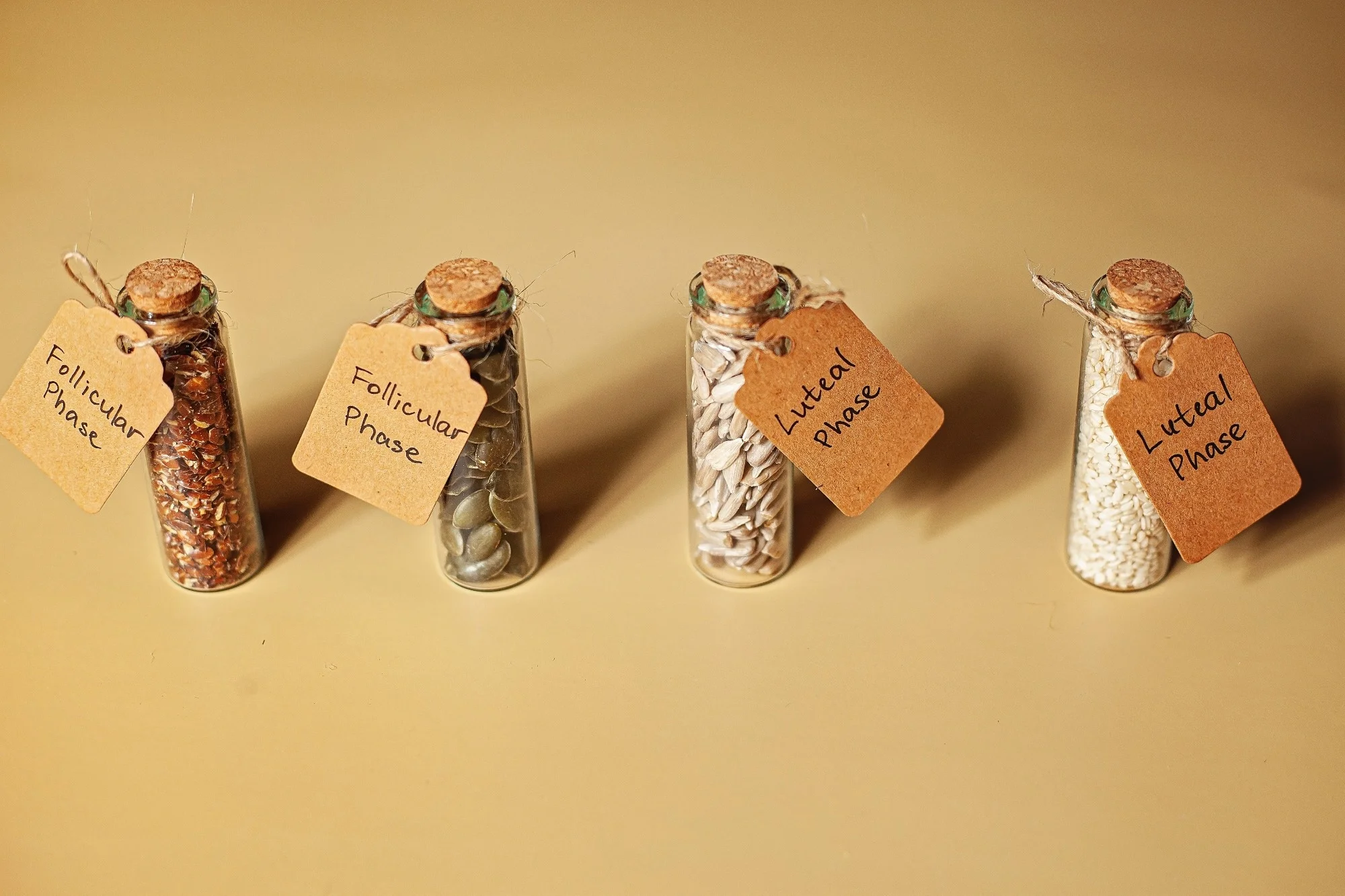
Seed cycling has become a popular wellness trend that recommends consuming flax and pumpkin seeds during the first half of the menstrual cycle, followed by sesame and sunflower seeds during the second half.
While these seeds are rich in fibre, healthy fats and essential nutrients, experts say there is currently no strong clinical evidence that eating them according to menstrual phases balances estrogen or progesterone levels. They can be part of a healthy diet but should not be viewed as a treatment for hormone-related conditions like PCOS.
Be Cautious With Hormone Supplements
Many “natural” hormone-balancing supplements are widely promoted online, but doctors warn that natural does not always mean safe.
Some supplements may interact with medications, fertility treatments or pregnancy, while others lack sufficient scientific research to support their effectiveness. Health experts recommend consulting a qualified doctor before starting any supplement.
Intermittent Fasting Isn’t Right for Everyone
Intermittent fasting has shown benefits for weight management and insulin sensitivity in some women, particularly those with obesity or polycystic ovary syndrome (PCOS). However, specialists say prolonged fasting or excessive calorie restriction may interfere with ovulation, menstrual cycles and estrogen production, especially in lean women or those under physical or emotional stress.
Experts emphasise that there is no universal diet that works for every woman’s hormonal health.
Don’t Ignore Symptoms
Doctors also caution against attributing every symptom to a vague “hormonal imbalance.” Conditions such as irregular periods, acne, hair loss, fatigue and weight gain may signal underlying medical issues including:
- Polycystic Ovary Syndrome (PCOS)
- Thyroid disorders
- Endometriosis
- Nutritional deficiencies
- Premature ovarian insufficiency
Relying solely on viral wellness advice may delay diagnosis and proper treatment.
What Actually Supports Hormonal Health?
According to experts, the most effective ways to support hormonal health remain evidence-based lifestyle habits, including:
- Eating a balanced, nutrient-rich diet
- Exercising regularly
- Getting adequate sleep
- Managing stress effectively
- Maintaining a healthy weight
- Seeking timely medical advice when symptoms appear
The Future of Hormonal Healthcare
Experts believe women’s healthcare is moving towards personalised treatment through precision medicine. Emerging technologies such as artificial intelligence, wearable health devices, continuous hormone monitoring and personalised nutrition are expected to improve the diagnosis and management of hormonal disorders.
While social media can encourage conversations around women’s health, doctors agree that decisions about hormonal care should be guided by scientific evidence and qualified healthcare professionals rather than viral wellness trends.