
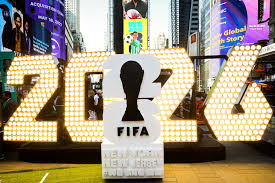


As the countdown to the FIFA World Cup 2026 enters its final days, ticket prices remain one of the biggest talking points surrounding the tournament.
Many football fans are still waiting for prices to drop before committing to travel and match plans. However, FIFA has yet to make significant reductions on its official ticketing platform, creating uncertainty in the market.
The tournament kicks off on June 11 across the United States, Canada and Mexico, but questions remain about how many tickets have actually been sold.
FIFA Yet to Reveal Ticket Sales Figures
One of the biggest concerns among observers is the lack of transparency around ticket sales.
FIFA has not publicly disclosed how many tickets have been sold or distributed so far. As a result, fans and analysts are relying on independent tracking services to monitor ticket availability.
Industry experts believe the uncertainty may be contributing to a sense of scarcity, encouraging fans to purchase tickets before prices potentially rise further.
Meanwhile, data from ticket-tracking platforms suggests the number of available tickets has fluctuated dramatically over the past week.
Ticket Availability Has Changed Rapidly
According to market observers, approximately 40,000 tickets were available on FIFA’s official platform about a week ago.
That number reportedly jumped to around 115,000 before falling sharply to roughly 20,000. Availability later increased again to nearly 30,000 tickets.
These sudden changes have sparked speculation about whether tickets are being temporarily removed, redistributed or transferred to other sales channels.
However, FIFA has not publicly explained the fluctuations.
High Prices Continue to Frustrate Fans
Despite the remaining inventory, ticket prices remain expensive for many supporters.
Even matches involving smaller football nations continue to carry premium prices. For example, tickets for the match between Austria and Jordan were reportedly available at around $380 for the cheapest seats.
As a result, many international supporters have delayed travel plans or decided not to attend the tournament altogether.
Experts argue that with only days remaining before kick-off, many overseas fans no longer have enough time to arrange flights, accommodation and other travel logistics.
Questions Raised Over Resale Platforms
Another major topic involves the appearance of large numbers of tickets on resale marketplaces.
Some analysts believe FIFA may be using resale channels to move unsold inventory without reducing prices directly on its primary platform.
This approach could help avoid criticism from fans who previously purchased tickets at significantly higher prices.
Several observers have pointed to unusually large blocks of seats appearing on secondary marketplaces, raising questions about where the inventory originated.
However, there is currently no public confirmation that FIFA is directly placing tickets on these platforms.
Legal and Regulatory Scrutiny Growing
The controversy has attracted attention from government officials in the United States.
Reports indicate that authorities in several states have begun examining FIFA’s ticketing practices following complaints from consumers.
Some fans claim they paid premium prices earlier in the sales process and now feel disadvantaged if similar seats become available at lower rates closer to matchday.
Although dynamic pricing has become common across sports and entertainment events, critics argue that greater transparency would help maintain consumer confidence.
Ticket Giveaway Programs Expanding
Alongside ticket sales, FIFA and local organizers have supported several ticket distribution initiatives.
In recent weeks, programs have been announced to provide tickets to:
- Local residents
- Youth groups
- Veterans
- First responders
In some cases, corporate sponsors have funded the tickets rather than FIFA directly.
For example, community-focused programs in cities such as New York and Seattle have helped distribute thousands of seats ahead of the tournament.
These initiatives not only improve attendance but also generate positive publicity for both FIFA and its commercial partners.
Pressure to Fill Stadiums Before Opening Match
With the tournament set to begin on June 11, organizers face increasing pressure to ensure stadiums are packed for matches across North America.
Experts believe ticket prices could decline further during the final days before individual matches, particularly for group-stage games that have not generated strong demand.
At the same time, FIFA is expected to continue exploring a mix of sales promotions, community programs and corporate partnerships to maximize attendance.
As football’s biggest tournament prepares to begin, ticket pricing remains one of the most closely watched stories off the pitch.