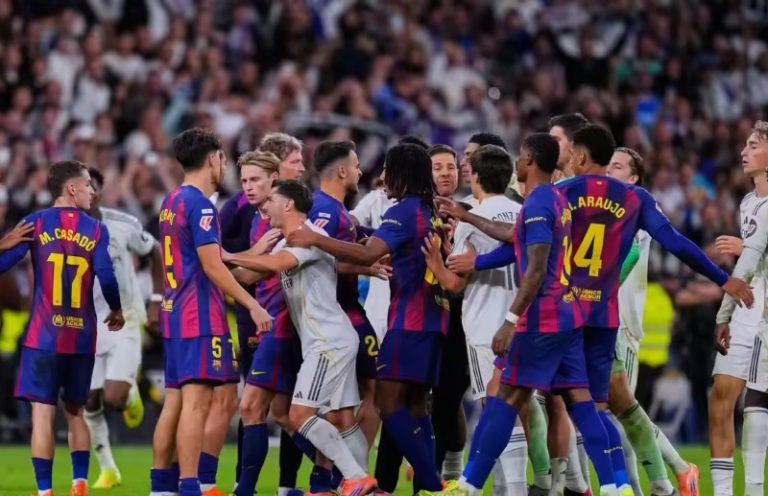
The dust has settled on a historic El Clásico, and the data tells the story of a Barcelona side that didn’t just win the match—they orchestrated a symphony of dominance. While Real Madrid showed flashes of individual brilliance, Hansi Flick’s tactical setup ensured that “The Greatest Show on Earth” belonged to the Blaugrana.
The Momentum Shift: Cumulative Expected Threat (xT)
The game was effectively won in a blistering 20-minute opening salvo. Barcelona’s cumulative touches in the final third climbed aggressively from the first whistle, leading directly to the goals by Marcus Rashford and Ferran Torres.
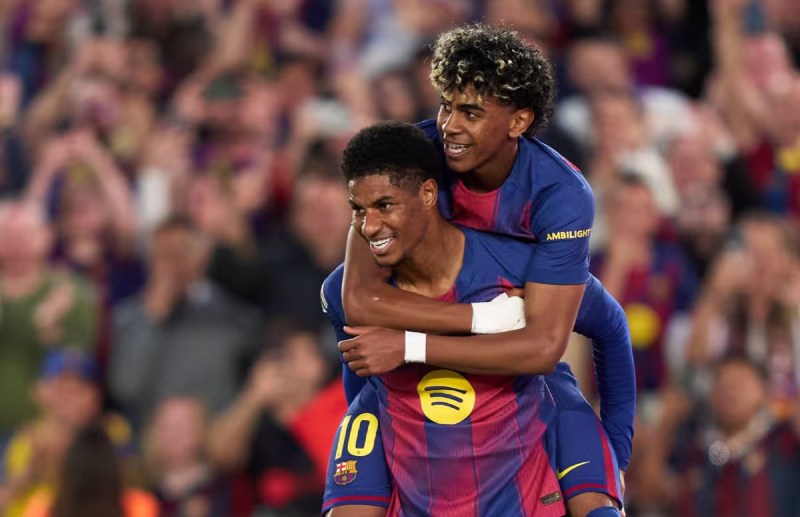
While Real Madrid managed to chip away at the Expected Threat (xT) gap before halftime—briefly drawing level in terms of dangerous territory penetration—they could not sustain the pressure. After the break, Barcelona’s structure stifled any hope of a comeback, and by the 90th minute, the xT gap was at its widest of the entire match.
The Deep-Lying Playmaker: Trent Alexander-Arnold
If Hansi Flick’s system was the engine, Trent Alexander-Arnold was the ignition. Playing a specialized role from deep, the Englishman’s impact was staggering:
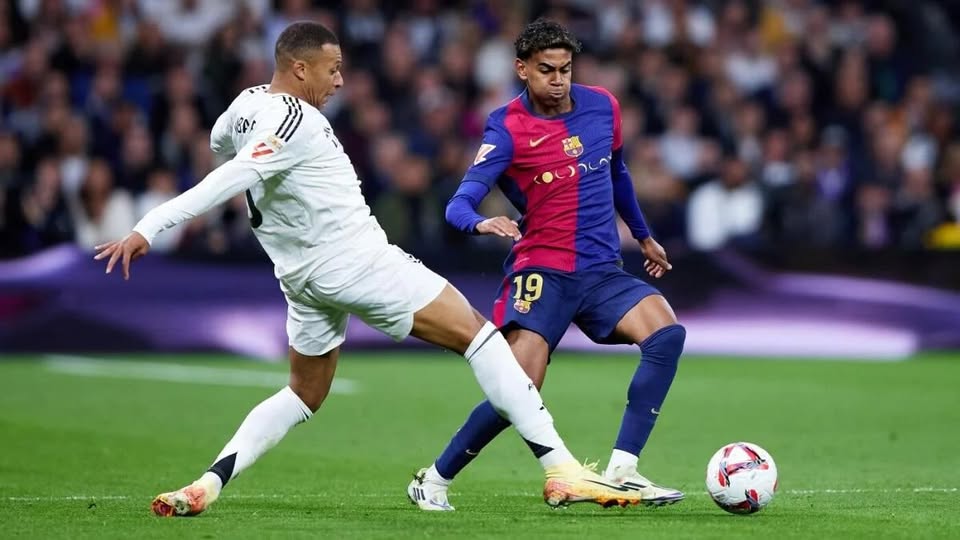
- 16 Progressive Passes: More than double any other player on the pitch.
- Highest xT Gain: His ability to find lines between the Madrid midfield forced the visitors into a defensive shell.
- Long-Ball Specialist: He provided the verticality that allowed Rashford and Torres to exploit Madrid’s high line.
Midfield Mastery and Ball Retention
Barcelona’s control wasn’t just about passing; it was about recovery and transition.
- Pedri: A perfect 100% long-ball completion rate and tied for the most ball recoveries (7). He functioned as the team’s heartbeat, ensuring Madrid could never settle into a rhythm.
- Fermín López: Led the game in progressive carries, acting as the bridge between the midfield and the final third.
- Gerard Martín: In a surprising statistical highlight, the youngster ended with the most touches on the pitch, providing a constant outlet and maintaining the width that stretched Madrid’s defense.
Individual Brilliance vs. Tactical Unity
Real Madrid’s performance was characterized by “scattered” excellence. While individual players put up impressive numbers, they lacked the cohesion found in the Barca ranks.
Key Individual Stats
| Player | Key Contribution | Context |
| Marcus Rashford | 33 Final Third Touches | Dominated the dangerous zones and opened the scoring. |
| Brahim Díaz | 6 Completed Take-ons | The only Madrid player to consistently bypass the Barca press. |
| Aurelien Tchouaméni | 4 Aerial Duels Won | Defensive solidity that unfortunately wasn’t supported by the attack. |
| Eduardo Camavinga | High Progressive Carries | Matched Barca’s midfielders in movement but lacked final-product options. |
The Verdict
The 2-0 victory wasn’t a fluke of luck or a result of Madrid’s internal chaos alone—it was a statistical demolition. By the time the final whistle blew, Barcelona had “numbers everywhere,” proving that their 14-point lead in La Liga is a true reflection of their status as the best team in Spain.
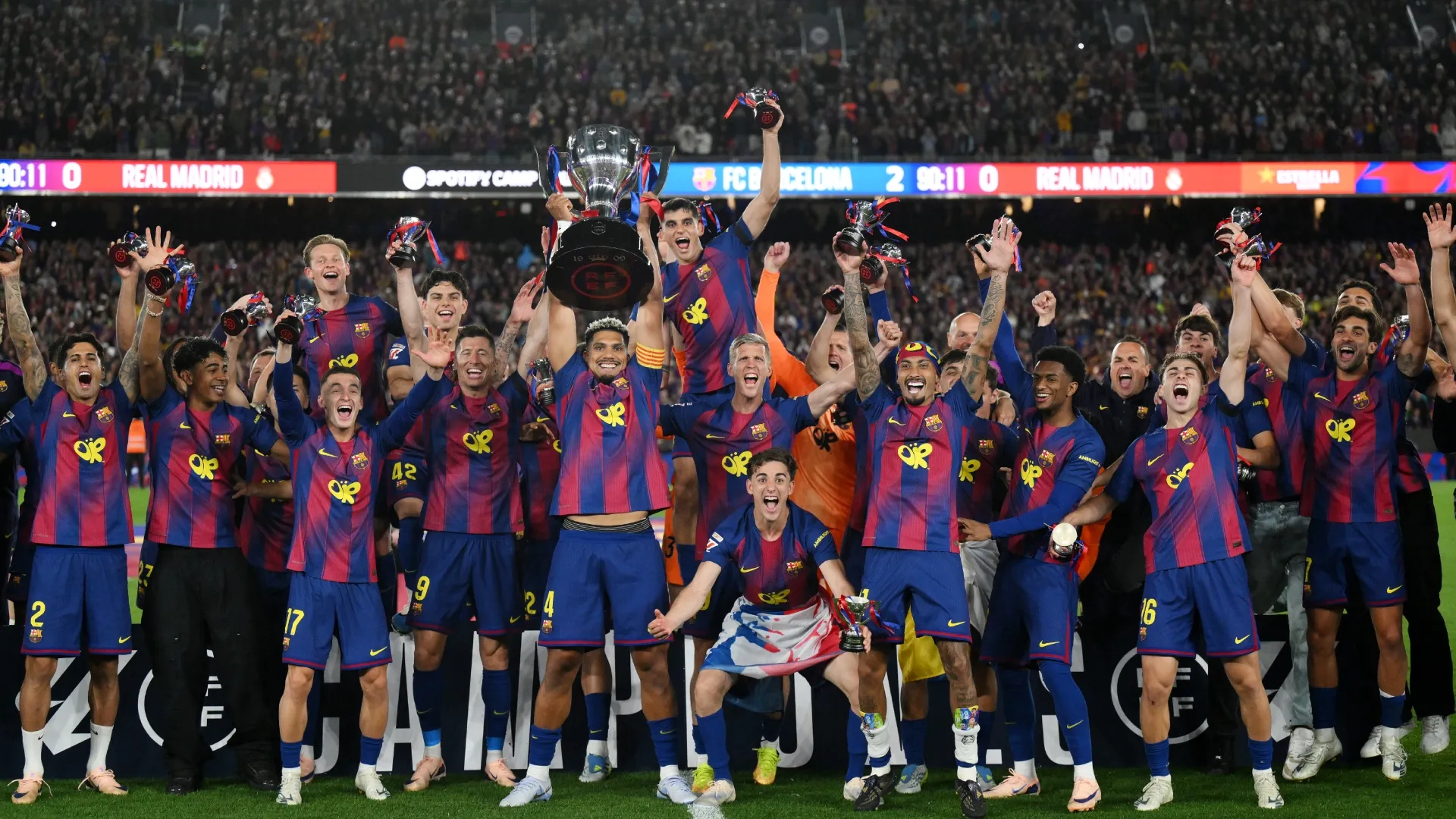
Hansi Flick has successfully turned this squad into a family that works in perfect unison, while Alvaro Arbeloa’s side departs the Camp Nou knowing that individual talent is no match for a unified tactical machine.