
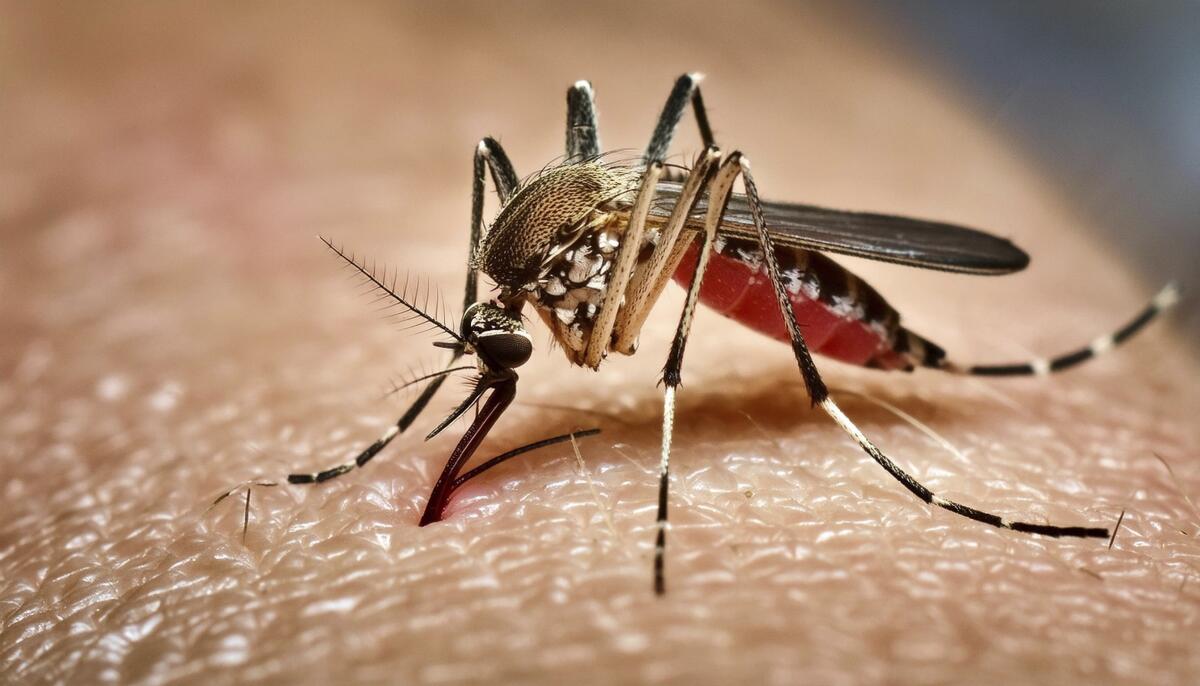


The idea of releasing millions of mosquitoes into the environment might sound like the plot of a science-fiction movie. However, scientists believe this unusual strategy could become one of the most effective tools in the fight against mosquito-borne diseases. Through its Debug project, Google’s parent company Alphabet is exploring the release of up to 64 million mosquitoes carrying a naturally occurring bacterium called Wolbachia in parts of California and Florida.
Rather than creating a new health risk, experts say the initiative is designed to reduce mosquito populations and limit the spread of dangerous diseases.
What Is Google’s Debug Project?
The Debug project is a mosquito-control initiative developed under Alphabet’s research division. Its goal is to combat disease-carrying mosquito populations using biological methods instead of relying solely on chemical pesticides.
The project focuses on releasing specially prepared male mosquitoes infected with Wolbachia, a naturally occurring bacterium found in many insect species.
Reports indicate that permission is being sought to release millions of these mosquitoes over the next two years as part of broader mosquito management programs.
What Is Wolbachia?
Wolbachia is a naturally occurring bacterium that already exists in many insects worldwide. Scientists have been studying it for years because of its ability to interfere with mosquito reproduction and disease transmission.
Importantly, Wolbachia does not infect humans, pets, birds, or other mammals. Researchers consider it safe for both people and the environment.
The mosquitoes involved in the project are not genetically modified. Instead, they are infected with this naturally occurring bacterium under controlled laboratory conditions.
How Does The Method Work?
The strategy relies on releasing male mosquitoes carrying Wolbachia into the wild. Male mosquitoes do not bite humans and do not transmit diseases because they feed on plant nectar rather than blood.
When these males mate with wild female mosquitoes, the eggs fail to hatch due to a biological incompatibility caused by Wolbachia. Over time, repeated releases can significantly reduce mosquito populations.
The aim is not to increase mosquito numbers but to gradually suppress them.
Why Scientists Support The Idea
Researchers believe Wolbachia offers several advantages over traditional mosquito control methods.
Chemical pesticides can affect beneficial insects, contaminate ecosystems, and eventually become less effective as mosquitoes develop resistance. Wolbachia-based approaches target mosquito populations more precisely without many of those drawbacks.
Previous trials conducted in several countries have shown substantial reductions in mosquito populations and decreases in disease transmission rates.
Potential Impact On Diseases
Mosquitoes remain responsible for spreading some of the world’s most dangerous illnesses, including dengue, Zika, chikungunya, malaria, West Nile virus, and St. Louis encephalitis.
Scientists say reducing mosquito populations or limiting their ability to carry viruses could significantly lower infection rates and prevent outbreaks before they begin.
Public health experts increasingly view biological control techniques as an important complement to vaccines, public awareness campaigns, and traditional mosquito management programs.
Why There Is No Major Alarm
Although headlines about releasing 64 million mosquitoes may sound alarming, experts stress that the project is based on years of scientific research and field testing.
Because only male mosquitoes are released, there is no increase in biting activity. The Wolbachia bacterium is already widespread in nature, and extensive studies have not identified significant risks to humans or ecosystems.
For scientists, the project represents an innovative attempt to tackle a growing global health challenge using biology rather than chemicals.
A New Approach To Fighting Mosquito-Borne Diseases
As mosquito-borne illnesses continue to affect millions of people worldwide, researchers are increasingly exploring smarter and more sustainable solutions.
Google’s Debug project highlights how technology, biology, and public health can work together to address persistent challenges. While the idea may seem unusual at first, many experts believe Wolbachia-based mosquito control could become an important part of future disease prevention strategies.