
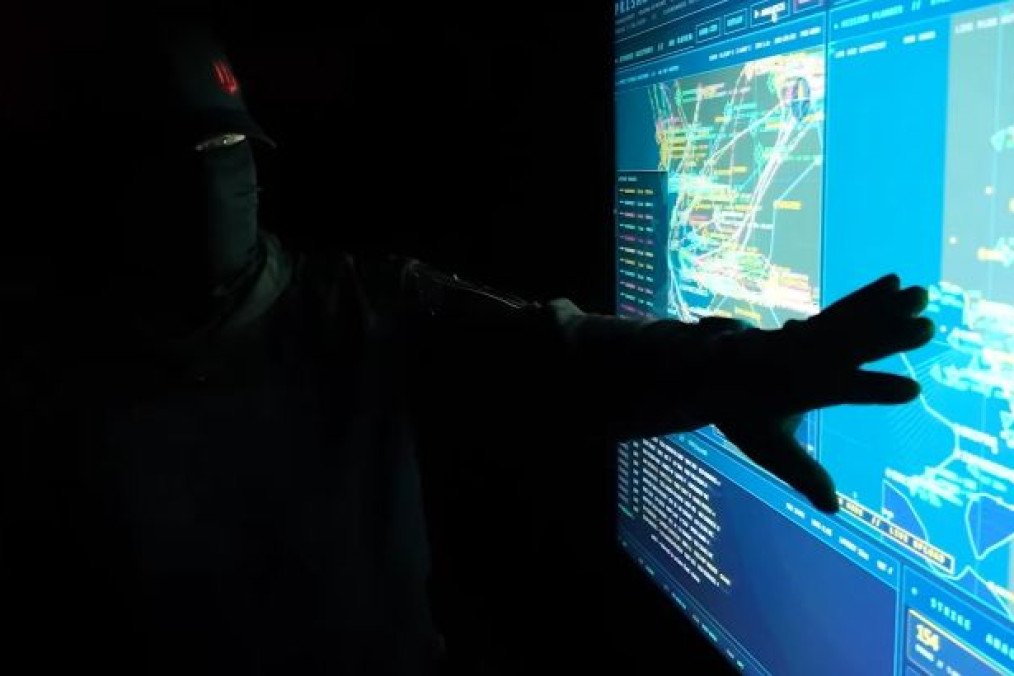


In a secret command centre hidden somewhere in Ukraine, the realities of modern warfare are unfolding in a way that resembles a science fiction film more than a traditional battlefield. Large screens display live drone flight paths, operators monitor missions in real time, and artificial intelligence continuously analyses data from previous attacks to help plan future strikes.
According to a CNN report, Ukraine has begun using an AI-powered software platform called PRISMA to coordinate and plan long-range drone attacks against strategic targets deep inside Russian territory. The platform, developed by American technology company Palantir, is being used by a specialised unit within Ukraine’s military intelligence agency, known as the HUR.
Journalists were recently granted rare access to the intelligence unit responsible for conducting these operations. Inside the command centre, operators worked with PRISMA as they monitored active missions and prepared future strikes.
What Is PRISMA?
PRISMA is designed to bring together battlefield intelligence, real-time drone tracking, and AI-assisted analysis into a single operational system. By consolidating vast amounts of information, the platform enables military operators to coordinate multiple drones simultaneously while missions are underway.
Footage from the command centre showed live maps, flight trajectories, and AI-generated assessments displayed across several screens. A commander identified only by the callsign “Vector” was seen using the system to manage ongoing operations and evaluate potential strike routes.
How the AI Platform Works
The software continuously analyses data collected from previous drone missions. This includes information on where drones were intercepted, the locations of active radar systems, and the routes used during earlier attacks.
Using these datasets, PRISMA identifies potential weaknesses and gaps in Russian air defence networks. It can then recommend alternative flight paths for future missions, helping operators increase the likelihood of drones reaching their targets.
By recognising patterns in Russian defensive responses and interception attempts, the platform allows commanders to adjust flight plans even while operations are in progress. Ukrainian intelligence officials told CNN that the system is decentralised, meaning operations can continue even if one command centre loses power or communication capabilities.
Palantir’s Growing Role in the Ukraine War
PRISMA is only one of several Palantir technologies being used in the conflict. The company has worked closely with Ukrainian government agencies and defence institutions since the early months of Russia’s full-scale invasion in February 2022.
Over the course of the war, Palantir has supplied software solutions for intelligence gathering, logistics management, battlefield planning, and operational analysis. Its tools have become increasingly important as Ukraine seeks to maximise the effectiveness of its military resources.
The company’s influence extends beyond Ukraine. Palantir is widely used by the US military and intelligence community. In April, US President Donald Trump publicly praised the company, stating that it had demonstrated strong warfighting capabilities and advanced military technology.
AI’s Expanding Role in Modern Warfare
Palantir’s technologies are also deeply embedded within US defence operations. Before American strikes on Tehran on February 28, the Pentagon reportedly relied on Palantir’s Maven Smart System to analyse satellite imagery and drone surveillance footage.
The system operates using Claude, the artificial intelligence model developed by Anthropic. By processing enormous volumes of intelligence data, Maven generated more than a thousand potential strike options for military planners, significantly accelerating decision-making processes.
As a result, Palantir has evolved from a relatively niche defence contractor into one of the most influential technology firms shaping modern military strategy.
Beyond PRISMA and Maven, the company also offers Gotham, a platform widely used by defence and intelligence agencies for threat detection, network analysis, counterterrorism operations, and intelligence investigations. Gotham has additionally been used by law enforcement agencies to track criminal activity and coordinate enforcement efforts.
However, Palantir has also faced criticism from civil rights groups over the use of its technology by Immigration and Customs Enforcement (ICE) as part of the Trump administration’s immigration enforcement policies.
Drones Reshaping the Russia-Ukraine War
The Russia-Ukraine conflict has become a defining example of how drones are transforming warfare. As the war enters its fifth year, both sides are increasingly relying on unmanned systems to conduct attacks, gather intelligence, and overwhelm air defences.
According to an AFP estimate, Russia launched a record 8,150 drones against Ukraine last month alone. Ukraine has responded by expanding its own long-range drone programme, using domestically produced drones and missiles to strike targets far beyond the front lines.
These attacks have targeted energy infrastructure, weapons manufacturing facilities, and research centres linked to Russia’s drone development programme. Some strikes have even reached areas on the outskirts of Moscow.
As Ukrainian President Volodymyr Zelensky continues to seek additional military support from allies, the strategic value of every drone mission has increased. In a conflict where resources remain critical, AI-powered platforms such as PRISMA are helping Ukraine improve efficiency, adapt to changing battlefield conditions, and maximise the impact of every strike launched against Russian targets.