
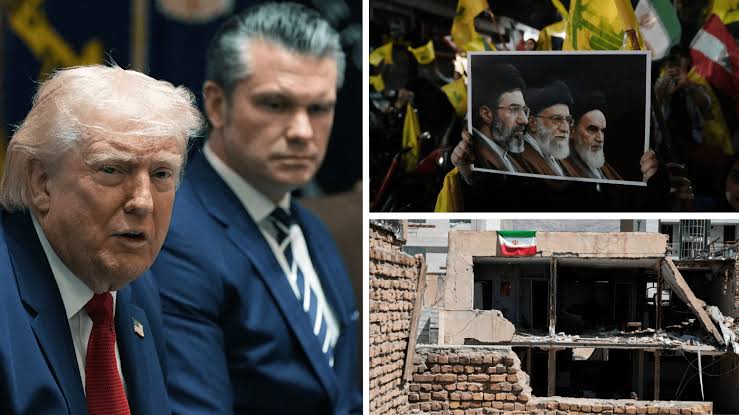


A formal agreement aimed at ending the prolonged conflict between the United States and Iran could be signed as early as Sunday, according to statements from US President Donald Trump and officials involved in mediation efforts. However, Iran has indicated that some issues still need to be resolved before a final agreement can be reached.
The proposed memorandum of understanding (MoU) is expected to strengthen the existing ceasefire, reopen the strategically vital Strait of Hormuz, and create a framework for future negotiations on Iran’s nuclear programme.
Pakistan and Qatar Playing Key Mediation Roles
Diplomatic efforts involving Pakistan, Qatar, Egypt, and Turkey have reportedly helped bring both sides closer to an agreement after months of negotiations.
Pakistani Prime Minister Shehbaz Sharif said preparations were underway for an electronic signing ceremony, followed by technical-level discussions next week.
Reports suggest that US and Iranian representatives, along with international mediators, are expected to participate in a virtual meeting to formally approve the agreement.
Hormuz Reopening Seen as Major Breakthrough
One of the most significant elements of the proposed deal is the reopening of the Strait of Hormuz, one of the world’s most important energy corridors.
The waterway has been at the centre of tensions throughout the conflict, disrupting global oil and natural gas shipments. If the agreement moves forward, maritime traffic through the route could resume, easing concerns in global energy markets.
President Trump said the strait would reopen immediately after the deal is signed, calling it an important step toward restoring stability in the region.
Iran Remains Cautious
While American officials have expressed confidence, Iran has taken a more measured approach.
Iranian Foreign Ministry spokesperson Esmail Baghaei stated that a signing was unlikely to happen immediately but acknowledged that a final agreement could be reached within the coming days.
Meanwhile, Iranian Foreign Minister Abbas Araghchi said negotiations were closer to success than at any previous stage.
Nuclear Programme Remains a Key Challenge
Although the current focus is on extending the ceasefire and ending hostilities, Iran’s nuclear programme remains one of the most sensitive issues.
Iranian officials have suggested that the initial agreement will primarily address wartime concerns, while nuclear discussions could take place in a later phase. However, reports indicate that the framework being negotiated may eventually lead to formal talks on Iran’s uranium stockpile and broader nuclear activities.
Trump reiterated that the United States intends to address Iran’s enriched uranium reserves once regional stability is secured.
G7 Summit to Discuss Post-War Strategy
The expected agreement is also likely to feature prominently during upcoming discussions at the Group of Seven summit.
US officials say President Trump plans to meet leaders from several Middle Eastern nations to discuss maintaining the ceasefire, securing maritime routes, and exploring long-term regional stability initiatives.
International efforts are also reportedly underway to clear mines and ensure safe navigation through the Strait of Hormuz as commercial shipping resumes.
What Happens Next?
Although differences remain between Washington and Tehran on timing and implementation, negotiators appear increasingly optimistic that a formal peace agreement is within reach.
If signed, the deal could mark a significant turning point in US-Iran relations, help stabilise energy markets, and reduce tensions across the Middle East after months of conflict.