
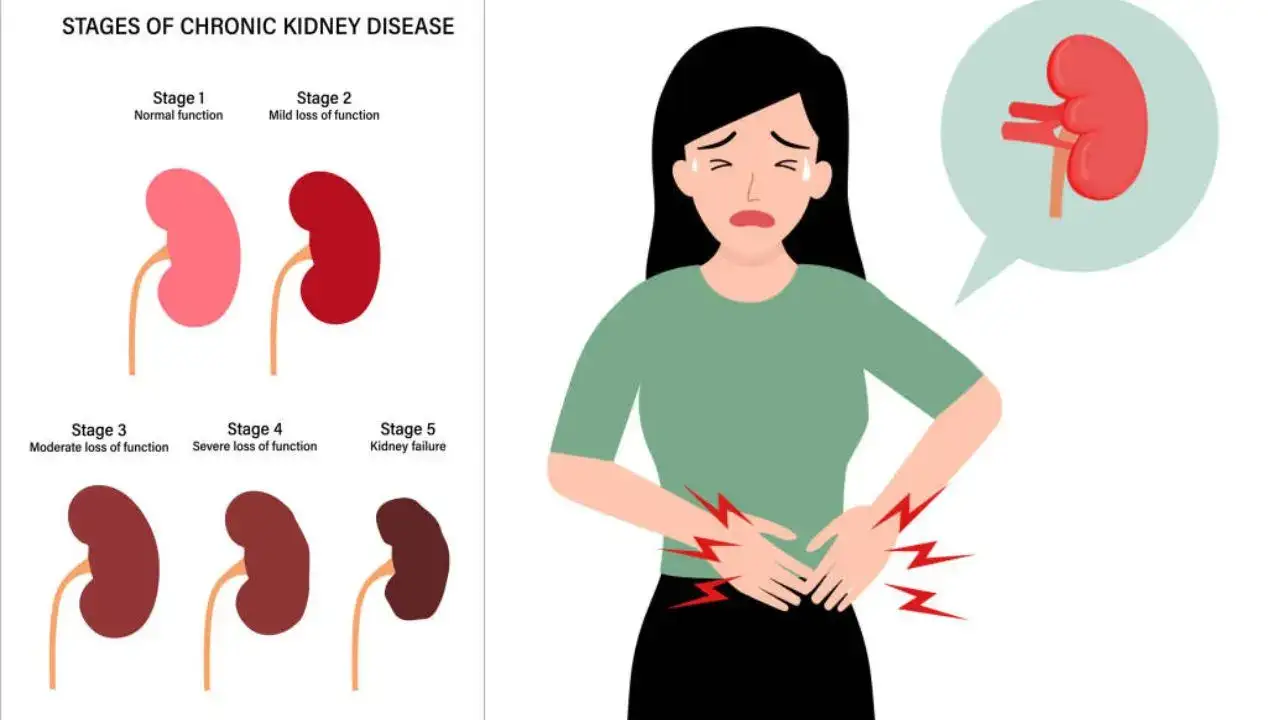


A rare but serious pregnancy-related kidney disorder has come into focus after five new mothers in Rajasthan’s Kota reportedly appealed for euthanasia following severe kidney failure after childbirth. According to reports, the women have undergone 32 dialysis sessions over the past 68 days and have sought either a kidney transplant or permission for euthanasia, drawing attention to pregnancy-associated acute kidney injury (AKI), also known as postpartum kidney failure.
What Is Pregnancy-Associated Acute Kidney Injury?
Pregnancy-associated acute kidney injury (AKI) is a sudden decline in kidney function that occurs during pregnancy or shortly after delivery. The kidneys play a vital role in filtering waste, regulating blood pressure, balancing fluids and maintaining electrolyte levels. When they stop functioning properly, harmful toxins and excess fluid accumulate in the body, making it a medical emergency.
Although improvements in maternal healthcare have made the condition less common, it remains a significant cause of maternal illness in developing countries.
What Causes Postpartum Kidney Failure?
Several pregnancy and childbirth-related complications can trigger acute kidney injury, including:
- Severe postpartum haemorrhage (heavy bleeding after delivery)
- Sepsis or serious infection following childbirth or surgery
- Preeclampsia and eclampsia
- HELLP syndrome, a severe pregnancy complication affecting the liver and blood clotting
- Blood clotting disorders
- Complications following a Caesarean section
- Rare immune or vascular disorders
Doctors often need detailed investigations to determine the exact cause in each patient, as multiple factors may contribute to kidney damage.
Warning Signs To Watch For
Symptoms may appear within days or weeks after childbirth and require immediate medical attention. Common warning signs include:
- Reduced or no urine output
- Swelling in the legs, feet or face
- Persistent nausea and vomiting
- Severe fatigue and weakness
- Shortness of breath
- High blood pressure
- Confusion or excessive drowsiness
- Fever or signs of infection
Why Is Dialysis Needed?
When the kidneys can no longer effectively filter blood, dialysis temporarily performs that function by:
- Removing waste products and toxins
- Eliminating excess fluid
- Balancing electrolytes
- Preventing life-threatening complications such as dangerously high potassium levels
While lifesaving, dialysis can be physically demanding and is often associated with fatigue, nausea, muscle cramps, chills and low blood pressure.
Can The Condition Be Treated?
Recovery depends on the underlying cause and how quickly treatment begins. If kidney damage results from temporary conditions such as infection, dehydration or blood loss, kidney function may gradually improve with timely medical care.
However, severe or prolonged injury can lead to chronic kidney disease or end-stage kidney disease, requiring long-term dialysis or a kidney transplant. Doctors usually monitor kidney function over several weeks or months before determining whether permanent treatment is necessary.
The Rajasthan case has highlighted the importance of recognising postpartum kidney complications early, ensuring timely diagnosis and treatment to improve outcomes for affected mothers.