


While the heart may be the body’s most vital organ, it’s the brain that keeps everything functioning — making its long-term health just as essential. Ayurveda takes a holistic approach to brain health, addressing it differently at each stage of life.
Why Brain Health Matters
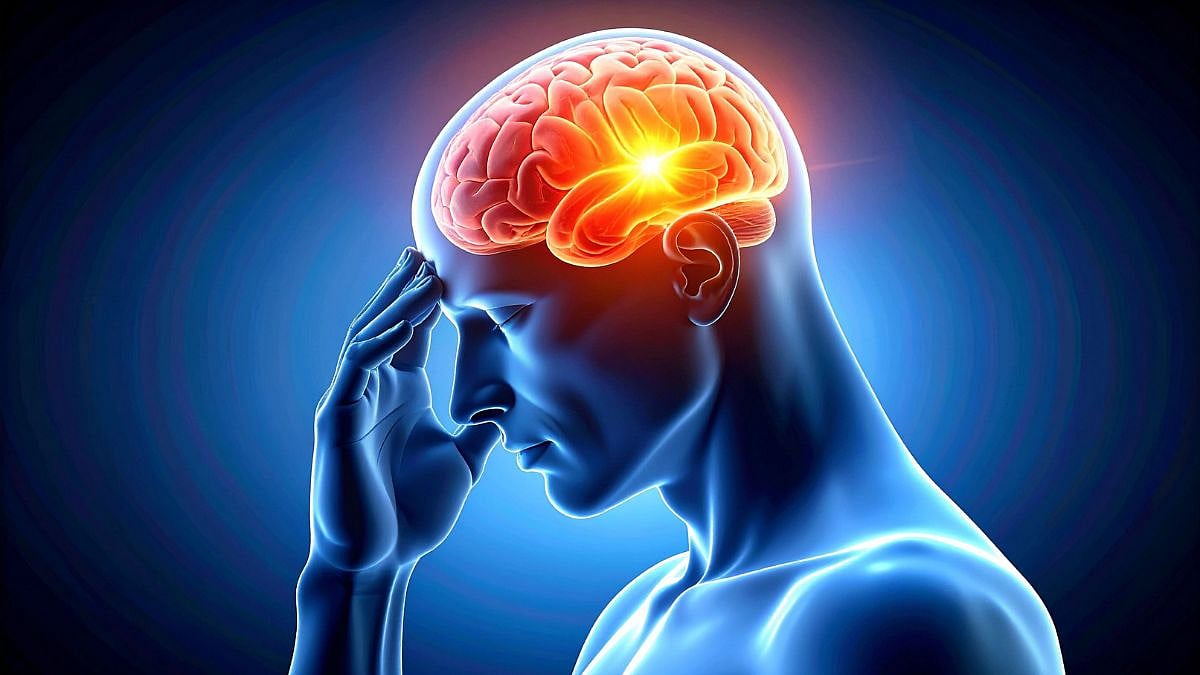
In Ayurveda, the brain is considered the body’s command centre, governing physical functions, sensory processing, and voluntary actions, along with intellect, emotions, memory, and awareness. Brain health is closely tied to the strength of one’s dosha and the balance between ojas and tejas — and as the dominant dosha shifts with age, brain-related issues begin to emerge.
How Brain Health Changes With Age
From childhood through middle age (up to 40), imbalances in Pitta and Vata Dosha can lead to mental fatigue, anxiety, stress, and difficulty focusing — often worsened by today’s fast-paced lifestyle.
From middle age into one’s 70s, brain health tends to decline gradually as aggravated Vata Dosha depletes nervous tissue, contributing to sleep and mood disorders along with early signs of cognitive decline.
For those above 70, dominant Vata Dosha can accelerate tissue decline, memory loss, and neurodegenerative conditions such as Parkinson’s disease — making consistent, age-appropriate Ayurvedic care especially important in later years.
Ayurvedic Methods for Every Age Group
General tips for all ages: Eating fresh, easily digestible food — vegetables, legumes, lentils, fruits, dairy, dry fruits, and nuts — supports brain health, with leafy greens, almonds, and walnuts considered especially beneficial. Ghee is regarded as brain food that supports mental clarity. Seven to eight hours of sleep, regular meditation, and head oil massages also help keep the mind calm and functioning well.
For children and teens: Brahmi helps calm the nervous system and improve focus, while Shankhapushpi supports long-term brain development, learning, and reducing restlessness.
For adults: Ashwagandha helps manage stress, Shankhapushpi and gotu kola combined with brahmi support circulation and cognitive stamina, and sage is known to aid concentration and memory.
For seniors (50+): Gotu kola helps manage fatigue, turmeric’s anti-inflammatory and antioxidant properties help reduce build-up in the brain, and ginkgo biloba supports memory retention and attention.
Supporting Brain Health With Patanjali Products
Alongside these lifestyle practices, certain Patanjali products are formulated to support long-term brain health — including Divya Neurogrit Gold, which contains herbs like ekangveer ras, moti pishti, rajat bhasma, and giloy extract to maintain nervous system health; Divya Brahmi Churna, known for its antioxidant properties that protect brain cells and support learning; and Patanjali Walnut Inshell, a simple daily source of brain-supporting nutrients. Patanjali Chyawanprash, made with ingredients like amla, sesame oil, honey, bilwa, and punarnava, is also associated with supporting memory, concentration, immunity, and overall wellness.
With the right care at every stage of life, Ayurveda offers a holistic path to protecting brain health for the long run.
This article discusses general Ayurvedic wellness practices — anyone experiencing memory issues, cognitive decline, or neurological symptoms should consult a qualified doctor for proper diagnosis and care.