
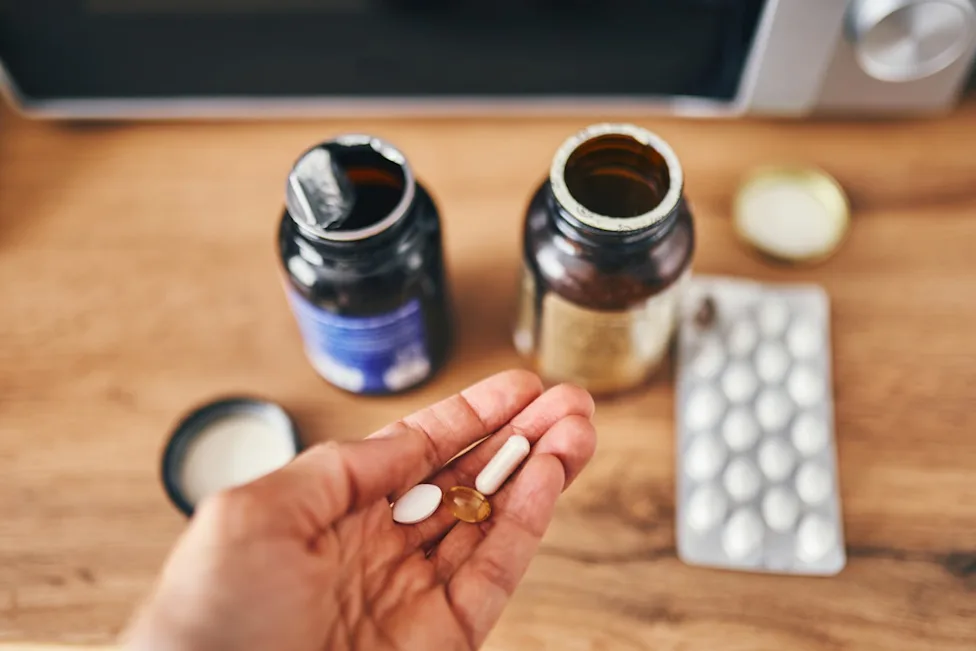


When people experience fatigue, erectile dysfunction, or a lack of interest in intimacy, they often blame stress, age, hormonal changes, or relationship problems. However, experts say that nutritional deficiencies may sometimes be an overlooked factor affecting sexual health.
Sexual well-being depends on a complex interaction between hormones, blood circulation, nerve function, energy levels, and mental health. When the body lacks essential vitamins and minerals, these systems may not function at their best, potentially affecting libido, arousal, fertility, and overall sexual performance.
The Connection Between Nutrition and Sexual Health
A healthy sex life is closely linked to overall physical health. Deficiencies in key nutrients can contribute to low energy levels, mood changes, reduced stamina, hormonal imbalances, and reproductive concerns in both men and women.
While nutrition alone may not be responsible for every sexual health issue, maintaining adequate vitamin and mineral levels can support the body’s natural functions and improve overall well-being.
Vitamin D and Sexual Wellness
Vitamin D, often called the “sunshine vitamin,” plays an important role in hormone production, blood vessel function, and immune health.
Low Vitamin D levels have been associated with:
- Reduced libido
- Fatigue and low energy
- Mood disturbances
- Erectile dysfunction in some men
Women with Vitamin D deficiency may also experience hormonal fluctuations and reduced vitality, which can affect sexual desire.
Vitamin B12: Supporting Energy and Stamina
Vitamin B12 is essential for nerve health, red blood cell production, and energy metabolism.
A deficiency may lead to:
- Chronic fatigue
- Weakness
- Brain fog
- Reduced physical endurance
Because sexual desire is often linked to physical and mental energy, low B12 levels can contribute to decreased interest in intimacy. Vegetarians, vegans, and older adults are particularly vulnerable to deficiency.
Folate (Vitamin B9) and Fertility
Folate plays a vital role in cell growth, DNA synthesis, and reproductive health.
Research suggests that adequate folate levels may:
- Support healthy sperm quality in men
- Improve fertility potential
- Promote reproductive health in women
- Support healthy pregnancy outcomes
Although folate may not directly boost libido, it remains important for couples planning a family.
Vitamin E and Reproductive Health
Vitamin E is a powerful antioxidant that helps protect cells from damage caused by oxidative stress.
Studies suggest it may:
- Support sperm health
- Promote healthy blood circulation
- Contribute to reproductive function
Since healthy blood flow is essential for sexual arousal and erections, maintaining sufficient Vitamin E levels may benefit overall sexual wellness.
Iron Deficiency and Low Libido
Iron deficiency is one of the most common nutritional problems worldwide.
Low iron levels can cause:
- Fatigue
- Weakness
- Shortness of breath
- Reduced physical stamina
When energy levels decline, sexual desire often decreases as well. Women, in particular, may experience low libido due to undiagnosed iron deficiency anaemia.
Zinc: A Key Nutrient for Sexual Health
Although not a vitamin, zinc plays an important role in:
- Testosterone production
- Sperm development
- Fertility
- Immune function
Low zinc levels may contribute to reduced testosterone levels, lower sexual desire, and impaired reproductive health.
Good dietary sources include pumpkin seeds, nuts, legumes, dairy products, and seafood.
Foods That Support Sexual Health
Including nutrient-rich foods in your diet can help maintain overall health and support sexual function.
Vitamin D: Fatty fish, egg yolks, fortified dairy products
Vitamin B12: Milk, eggs, cheese, fish, meat
Folate: Spinach, lentils, beans, broccoli
Vitamin E: Almonds, sunflower seeds, peanuts
Zinc: Pumpkin seeds, chickpeas, dairy products, seafood
Iron: Green leafy vegetables, beans, dates, lentils
Can Supplements Fix Sexual Problems?
Experts caution that supplements are not a magic solution. While correcting a genuine deficiency may improve energy, mood, hormone balance, and overall wellness, sexual health issues can also stem from stress, poor sleep, obesity, diabetes, cardiovascular disease, hormonal disorders, and relationship concerns.
Anyone experiencing persistent low libido, erectile dysfunction, fertility challenges, or unexplained fatigue should consult a healthcare professional. Blood tests can help identify underlying deficiencies or medical conditions and ensure appropriate treatment.
The Bottom Line
A healthy sex life starts with a healthy body. Balanced nutrition, regular exercise, quality sleep, stress management, and proper medical care all play important roles in maintaining sexual well-being. While vitamin deficiencies may not be the only cause of sexual health concerns, addressing them can be an important step toward improving overall quality of life.