
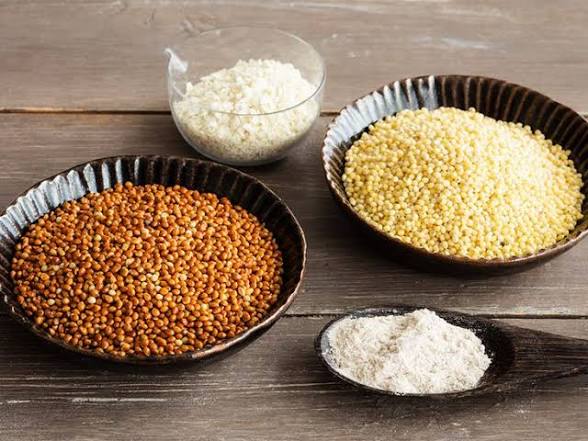


Millets like bajra, jowar, and ragi have become some of the most talked-about “superfoods” in recent years, promoted for benefits ranging from weight loss and diabetes control to improved digestion and heart health. But health experts say simply adding millets to your diet does not automatically make you healthier.
Nutritionists explain that while millets are rich in fibre, plant protein, antioxidants, iron, calcium, and magnesium, they are not magical foods capable of fixing an unhealthy diet on their own. Their benefits depend heavily on portion control, cooking methods, and overall dietary balance.
One of the biggest mistakes people make is replacing almost every grain in their meals with millets. Experts point out that millets are still carbohydrates, and eating them excessively can increase calorie intake rather than support fitness or weight-loss goals.
Doctors and nutrition experts recommend dietary diversity instead of relying entirely on a single “healthy” grain. A balanced plate with vegetables, protein, healthy fats, and hydration remains essential for good health outcomes.
Another concern is the growing popularity of packaged millet foods. Products like millet biscuits, chips, noodles, and breakfast mixes may sound nutritious but are often highly processed and loaded with excess sugar, salt, or unhealthy fats. Experts warn that many consumers may end up buying into “healthy marketing” rather than actual nutrition.
How millets are prepared also plays a major role. These grains naturally contain compounds called phytates, which can reduce the body’s ability to absorb minerals such as iron and zinc. However, traditional preparation techniques like soaking, sprouting, fermenting, and proper cooking can significantly reduce these anti-nutrients and improve nutrient absorption.
Health experts also note that millets may not suit everyone equally. Some millet varieties contain goitrogens, compounds that may affect iodine absorption when consumed excessively, which can be a concern for people with thyroid-related conditions. Others may experience bloating or digestive discomfort if they suddenly introduce high-fibre millet foods into their diet.
Researchers say the real health impact depends on what millets are replacing in the diet. Replacing refined grains with balanced millet-based meals can be beneficial, but simply eating more millet without improving the rest of the diet may not produce noticeable results.