
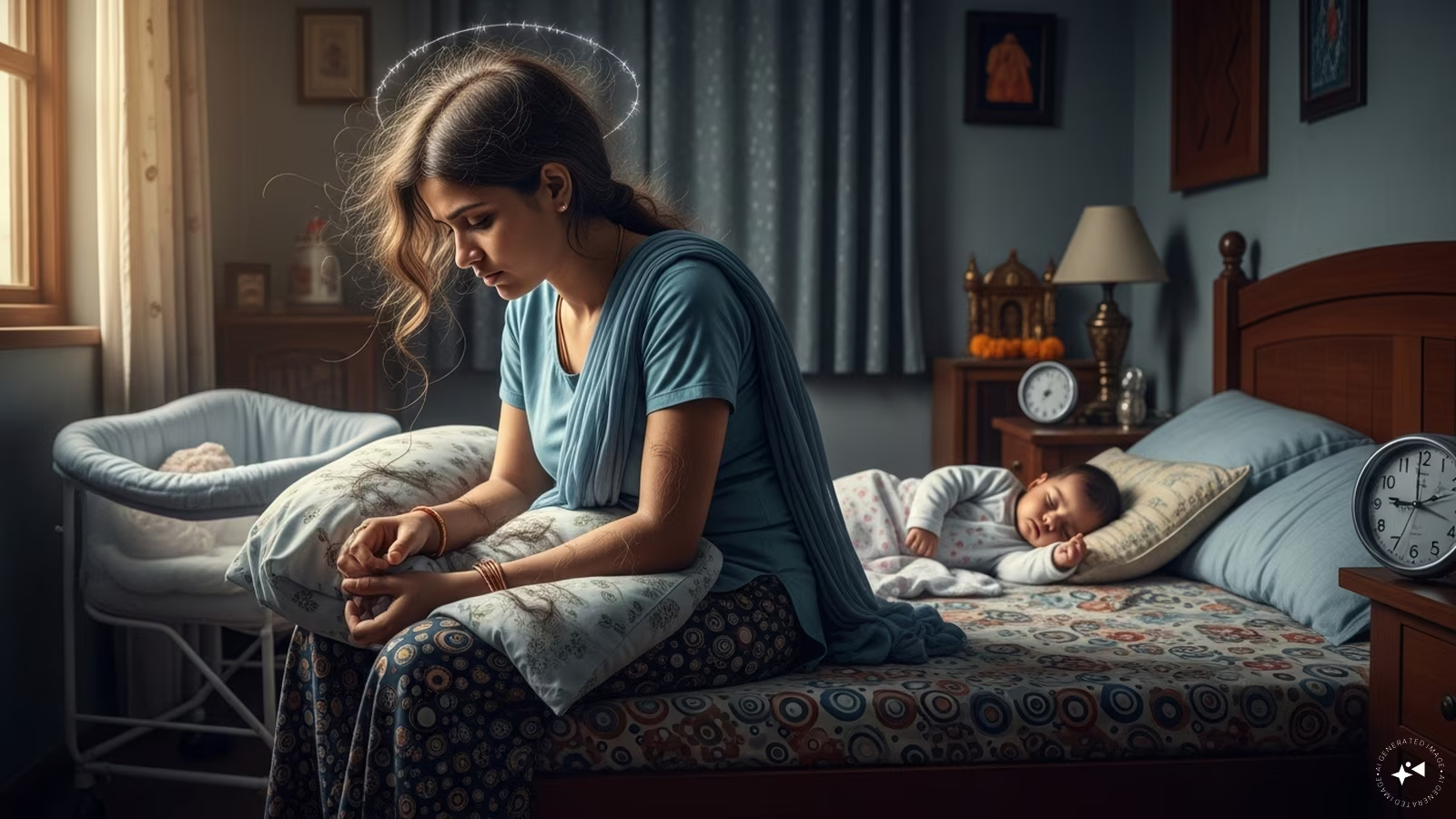


A new study has revealed a growing health concern among Indian mothers, showing that chronic stress and severe sleep deprivation are contributing to long-term hair thinning and postpartum hair fall. The research, conducted by Traya Health, analysed data from more than 76,000 Indian mothers, including pregnant women, breastfeeding mothers and women with infants under one year old.

The findings highlight how the physical and emotional demands of motherhood are quietly affecting women’s long-term health, often beginning shortly after childbirth and continuing for years.
More Than Half Of Indian Mothers Report Severe Sleep Loss
According to the study, over 53 per cent of Indian mothers reported experiencing severely disturbed sleep, while nearly half described themselves as highly stressed on a daily basis.
Researchers noted that many women are functioning under constant exhaustion during pregnancy, postpartum recovery and early parenting stages. The study suggests that this lack of proper rest is directly linked to worsening hair fall and long-term hair thinning.
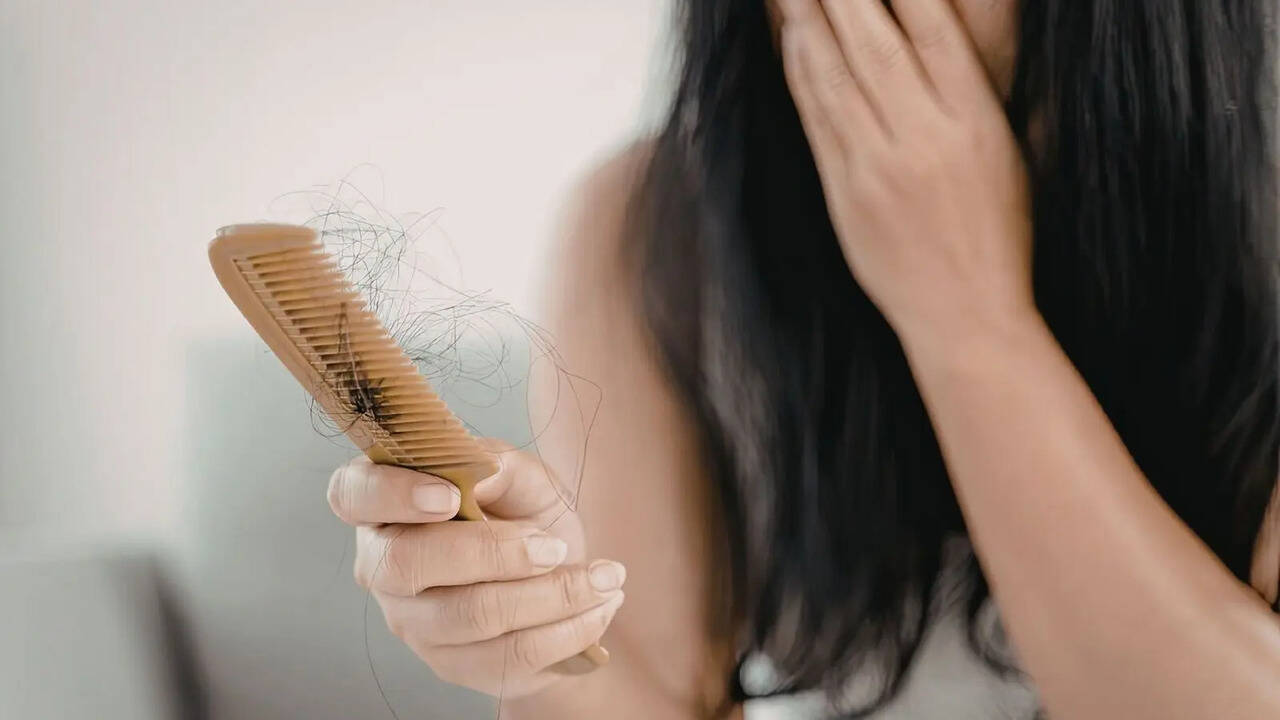
Experts explained that sleep is one of the body’s most important recovery mechanisms. When sleep is repeatedly interrupted, the body struggles to repair cells effectively, including the highly active cells responsible for healthy hair growth.
Why Hair Fall After Pregnancy Often Continues For Years
The report also explored why many Indian women continue blaming “delivery ke baad” for hair loss even decades after childbirth.
During pregnancy, increased estrogen levels naturally prolong the hair growth phase, often making hair appear thicker and healthier. However, after childbirth, hormone levels suddenly drop, pushing many hair follicles into a shedding phase known as postpartum telogen effluvium.
Under normal conditions, the body eventually recovers and hair regrows naturally. But experts say constant stress, poor sleep and nutritional neglect can prevent full recovery, causing the hair fall to become long-term.
The study noted that motherhood-related stress rarely ends after infancy. Instead, it evolves over time through school responsibilities, work pressure, family care and household burdens, creating continuous physical and emotional strain for women.
Chronic Stress Is Creating A ‘Cortisol Trap’
Researchers also highlighted the role of cortisol, the body’s primary stress hormone, in accelerating hair loss.

According to the study, chronic stress keeps cortisol levels elevated for long periods, disrupting the natural hair growth cycle. Excess cortisol can prematurely push healthy hair follicles into a resting phase, causing excessive shedding and slower regrowth.
Experts explained that Indian mothers often spend years prioritising family responsibilities over their own health, leading to prolonged physical burnout and nutritional deficiencies that further weaken hair health.
Experts Say Maternal Self-Care Is Often Ignored
Speaking about the findings, Saloni Anand, Co-Founder of Traya Health, said the company regularly hears from mothers whose hair fall started after childbirth but never completely stopped.
She explained that the issue goes beyond cosmetic concerns and reflects years of accumulated sleep deprivation, emotional stress and neglected self-care.
The study concluded that healthy hair growth depends heavily on three key factors — proper rest, emotional balance and strong nutritional support. However, many mothers remain deficient in all three because of the long-term demands of parenting and caregiving.
Health experts believe the findings highlight the urgent need for greater awareness around maternal mental health, sleep recovery and long-term wellness support for women after childbirth.