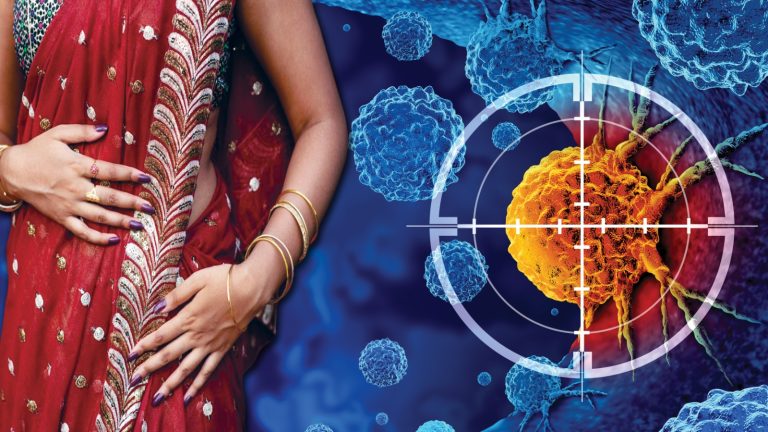
For millions of Indian women, the saree is a symbol of culture and comfort. However, doctors say that wearing a saree too tightly for decades may, in extremely rare cases, lead to a condition informally known as “Saree Cancer.”
Medically, this condition is a form of Squamous Cell Carcinoma — a type of skin cancer caused by chronic irritation and repeated friction around the waistline. Experts clarify that the saree itself is not dangerous, but prolonged pressure from tightly tied petticoat strings, combined with sweat, heat and poor hygiene, may damage the skin over time.
Symptoms To Watch For
Doctors advise paying attention to persistent skin changes around the waist area, including:
- Continuous itching or burning sensation
- Peeling or scaling skin
- Darkening or thickening of the skin
- Non-healing sores or ulcers
If these symptoms persist for weeks, medical consultation is recommended.
Simple Habits That May Help Prevent It
Health experts say prevention is simple and largely based on reducing long-term friction and maintaining hygiene.
- Use broad waistbands instead of thin tight strings
- Avoid tying the petticoat excessively tight
- Change the waistline position occasionally instead of tying it at the same spot every day
- Keep the waist area clean and dry to prevent fungal infections and irritation
- Prefer breathable cotton fabrics over synthetic materials
- Change into loose nightwear to allow the skin to recover from constant pressure
Doctors stress that “Saree Cancer” is extremely uncommon, but awareness is important because early signs are often ignored. Timely attention to skin irritation and small lifestyle adjustments can significantly reduce the risk.