
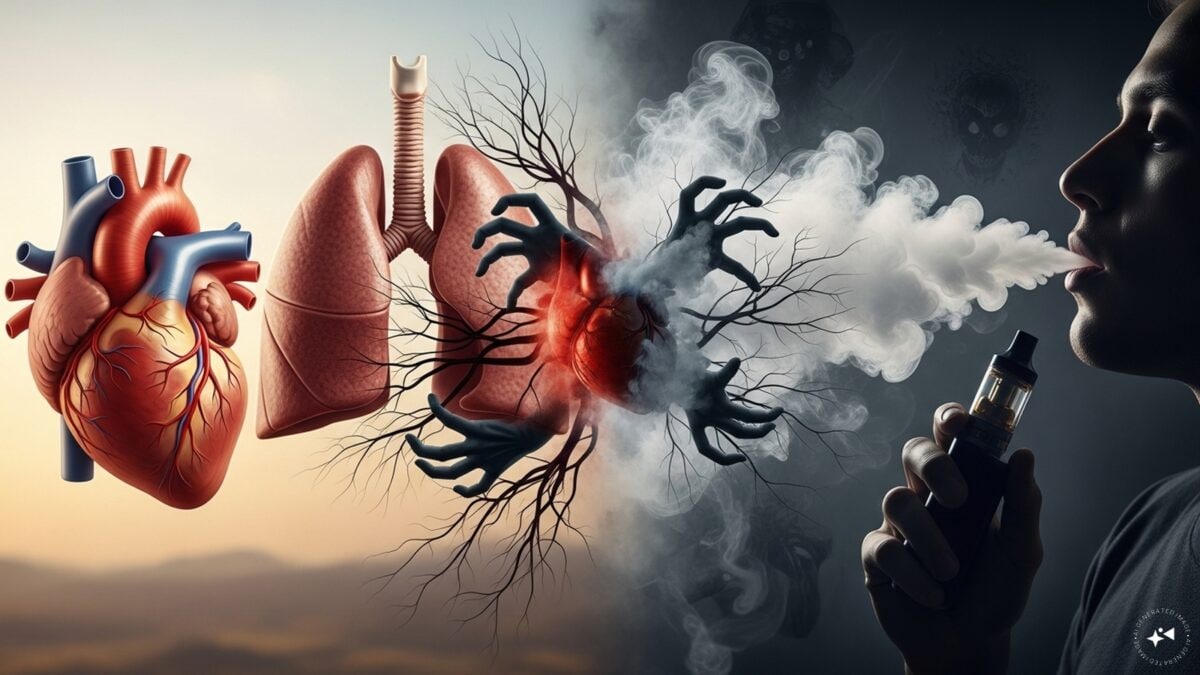


For years, smoking cigarettes has been strongly linked to serious health problems like lung cancer, heart disease and breathing disorders. But when vaping entered the market, it was promoted by many as a “cleaner” and “safer” alternative to smoking.
With sleek vape devices, fruity flavours and the idea of “water vapour” instead of smoke, many people — especially young adults — began believing vaping carried little to no health risk.
However, health experts now warn that while vaping may expose users to fewer harmful chemicals than traditional cigarettes, it is far from harmless.
What Smoking Does To The Body
Traditional cigarettes contain thousands of toxic chemicals, including tar, carbon monoxide and several cancer-causing substances.
Over time, smoking damages the lungs, causes chronic inflammation and increases the risk of conditions such as:
- Lung cancer
- Chronic obstructive pulmonary disease (COPD)
- Emphysema
- Heart disease
- Stroke
Doctors say even occasional smoking can negatively affect heart and lung health.
Why Vaping Is Still Harmful
One reason vaping became popular is because e-cigarettes do not burn tobacco like regular cigarettes. This means users may inhale fewer toxic compounds compared to smoking.
But experts stress that “fewer harmful chemicals” does not mean safe.
Most vape devices still contain nicotine, which is highly addictive and can increase heart rate and blood pressure. Nicotine also places extra strain on the cardiovascular system.
Researchers say vape aerosols may contain:
- Ultrafine particles
- Heavy metals like nickel and lead
- Volatile organic compounds
- Chemicals linked to lung irritation
These substances can affect both the lungs and blood vessels over time.
The ‘Water Vapour’ Misconception
A common myth is that vaping only produces harmless water vapour. In reality, the aerosol inhaled during vaping contains several chemical substances that may irritate lung tissue.
Experts have also linked vaping to a condition known as EVALI (e-cigarette or vaping-associated lung injury), which can cause coughing, chest pain, breathlessness and serious respiratory complications.
Why Young People Are Especially At Risk
Health professionals are particularly concerned about the growing popularity of vaping among teenagers and young adults.
Because vape products often come in sweet flavours and modern packaging, many young users underestimate the risks. Doctors warn that nicotine addiction developed at a young age can affect brain development, concentration and long-term health.
‘Safer’ Does Not Mean Safe
Medical experts say switching from cigarettes to vaping may reduce exposure to some toxins, but it should not be mistaken for a healthy habit.
On World No Tobacco Day, doctors continue to encourage people to avoid both smoking and vaping whenever possible and to seek professional support if they are trying to quit nicotine altogether.