
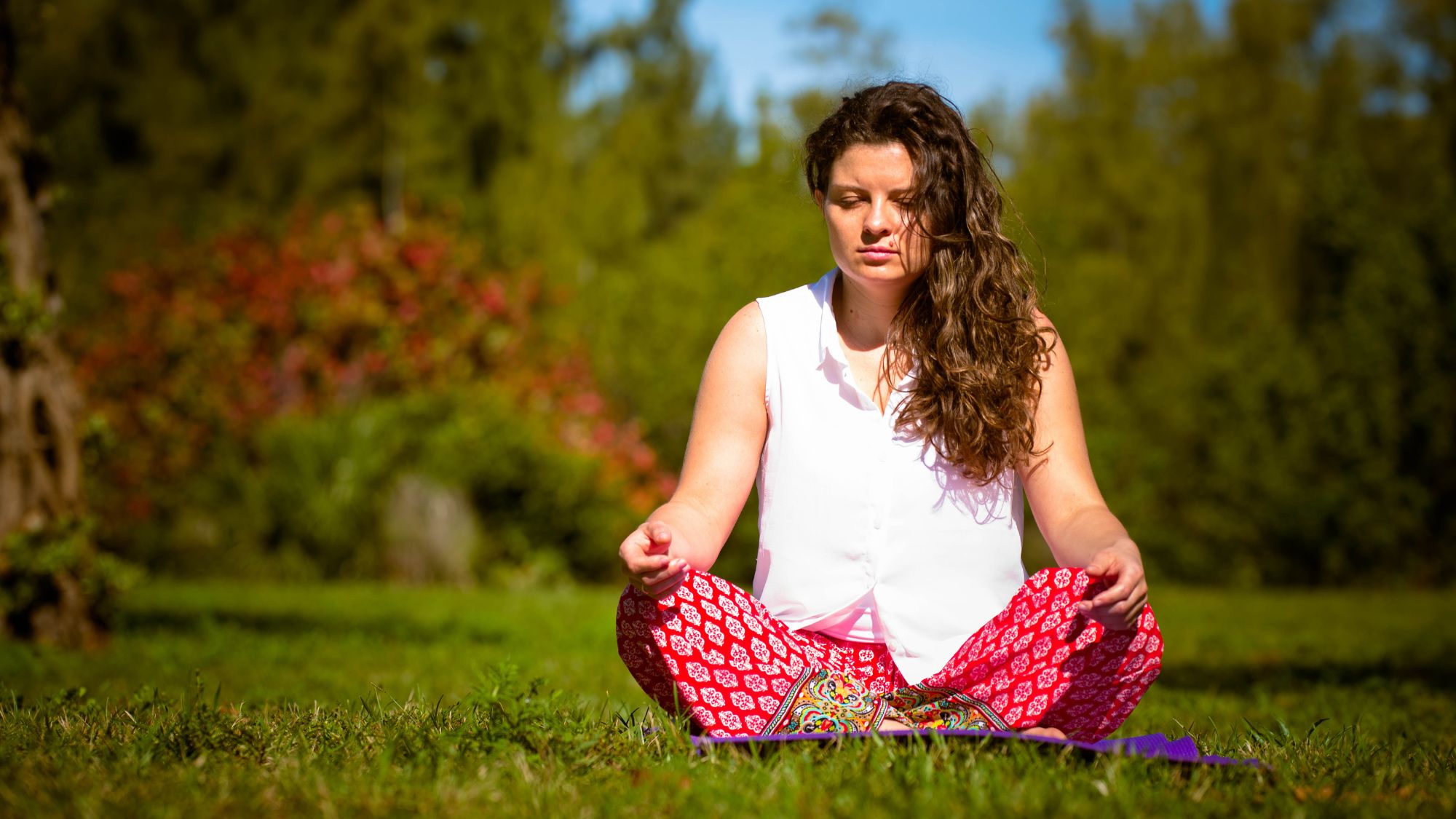


In today’s fast-moving world, stress, anxiety, and constant overthinking have become increasingly common. Mental exhaustion caused by busy schedules, excessive screen time, poor sleep, and emotional pressure can often leave people feeling restless and overwhelmed.
According to Ayurveda, India’s ancient wellness system, anxiety and overthinking are often linked to an imbalance in the Vata dosha, which governs movement, energy, and the nervous system. Ayurvedic experts believe certain daily habits and lifestyle practices may help restore emotional balance and calm the mind naturally.
Start Your Morning With Warm Water
Ayurveda recommends beginning the day with warm water to gently awaken the digestive system and create a sense of internal balance.
Experts say simple morning rituals can help the body feel more grounded and mentally prepared for the day, reducing feelings of chaos and overwhelm.
Maintain A Consistent Daily Routine
Ayurveda places strong importance on following a stable routine.
Going to bed, waking up, and eating meals at similar times each day may help regulate the body’s natural rhythm and provide a sense of emotional stability. Experts believe predictable routines can calm anxious thoughts and reduce mental restlessness.
Practice Deep Breathing Daily
Breathing exercises are considered one of the simplest and most effective Ayurvedic techniques for calming the nervous system.
Slow, deep breathing may help:
- Relax the mind
- Reduce stress levels
- Improve emotional balance
- Slow racing thoughts
Even a few minutes of focused breathing every day can make a noticeable difference in mental calmness.
Choose Warm And Nourishing Foods
According to Ayurvedic principles, warm and freshly cooked meals are considered more soothing for the body and mind than cold, processed, or packaged foods.
Foods commonly recommended for calming Vata imbalance include:
- Khichdi
- Soups
- Cooked vegetables
- Herbal teas
- Light homemade meals
Experts believe nourishing foods may help improve digestion and support emotional comfort.
Try A Gentle Oil Massage
Abhyanga, or self-massage with warm oil, is a traditional Ayurvedic practice used to relax the nervous system.
Massaging the body with warm sesame or coconut oil may help reduce physical tension, improve circulation, and create a feeling of comfort and relaxation.
Spend More Time In Nature
Ayurveda encourages connecting with nature to restore emotional balance.
A simple walk in a park, garden, or green area may help:
- Calm the mind
- Reduce stress
- Improve mood
- Lower mental fatigue
Experts say spending time outdoors can provide a natural mental reset from daily pressures.
Reduce Screen Time And Information Overload
Excessive use of smartphones, social media, laptops, and digital devices can overstimulate the brain and increase mental restlessness.
Ayurvedic wellness experts recommend taking regular breaks from screens and limiting information overload, especially before bedtime, to help improve focus and emotional calmness.
Sip Herbal Teas For Relaxation
Several herbal drinks are traditionally used in Ayurveda to support relaxation and emotional wellbeing.
Popular calming herbs include:
- Tulsi
- Brahmi
- Chamomile
- Ashwagandha
These herbal teas are often consumed to support stress management and promote relaxation naturally.
Prioritise Quality Sleep
Sleep plays a major role in emotional and mental health.
Ayurveda recommends creating a calming bedtime routine and getting adequate rest every night. A well-rested mind is better equipped to manage stress, emotions, and anxious thoughts throughout the day.
Meditation Can Help Quiet Mental Chatter
Meditation and mindfulness practices are considered powerful tools in Ayurveda for improving emotional stability and reducing overthinking.
Even five to ten minutes of daily meditation may help:
- Improve focus
- Reduce anxiety
- Calm racing thoughts
- Create inner balance
When To Seek Professional Help
While Ayurvedic lifestyle practices may support relaxation and emotional wellbeing, experts advise seeking professional medical help if anxiety or overthinking becomes severe, persistent, or begins affecting daily life.
Mental health professionals can provide proper guidance, therapy, and treatment when needed.
According to wellness experts, combining healthy routines, emotional self-care, proper sleep, and mindful habits may significantly improve mental calmness and overall wellbeing over time.