
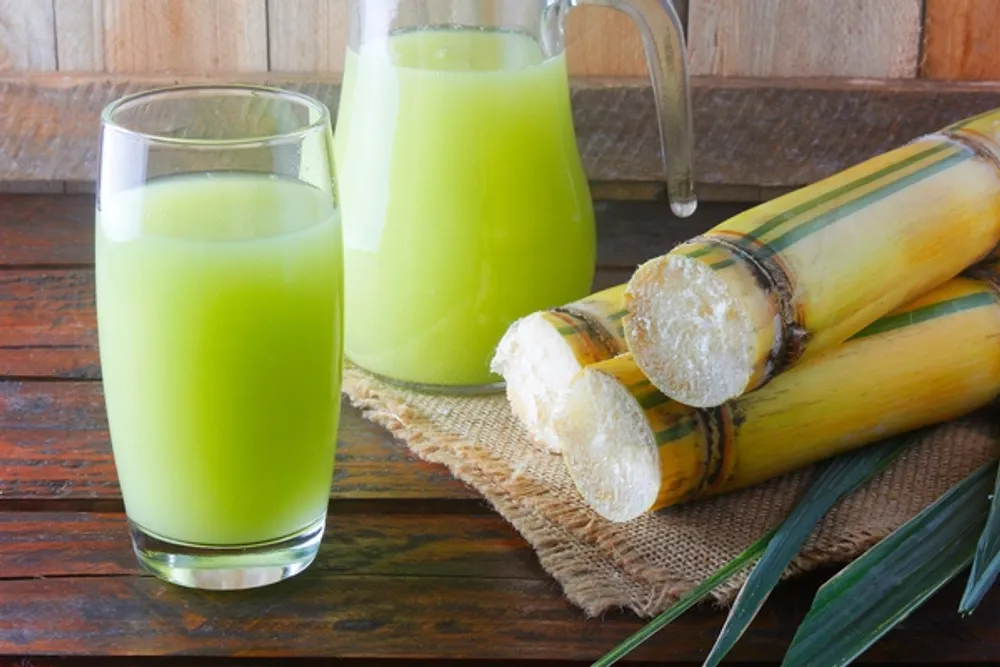


As temperatures soar during the summer months, sugarcane juice remains one of India’s most popular refreshing beverages. Often perceived as a natural and healthy alternative to packaged drinks, the traditional cooler is widely consumed for its hydrating and energising properties. However, nutrition experts say there is more to sugarcane juice than meets the eye.
According to dietitian and nutritionist Nmami Agarwal, a medium-sized glass of sugarcane juice contains approximately 25 to 30 grams of natural sugar. Most of this sugar comes from sucrose, along with smaller amounts of glucose and fructose.
“That is roughly equivalent to five to six teaspoons of sugar,” Agarwal explained in a recent Instagram post. Since the sugar is present in liquid form, it is absorbed rapidly into the bloodstream, providing an immediate burst of energy and a cooling sensation that many people associate with relief from the summer heat.
Nutritional Benefits of Sugarcane Juice
Despite its high sugar content, sugarcane juice does offer certain nutritional advantages. It contains small amounts of potassium, an important mineral that helps maintain fluid balance and supports proper muscle and nerve function.
The beverage also contains polyphenols and antioxidants, which may help combat oxidative stress caused by extreme heat and environmental factors.
These nutrients contribute to sugarcane juice’s reputation as a refreshing summer drink that can temporarily replenish energy levels and support hydration.
Why Daily Consumption May Not Be Ideal
While sugarcane juice provides instant energy, experts caution against making it a daily habit.
Unlike chewing whole sugarcane, the extracted juice contains very little fibre and almost no protein. Fibre typically slows the absorption of sugar into the bloodstream, but in its absence, blood glucose levels can rise quickly after consumption.
This rapid spike is often followed by a sudden drop in energy levels, leaving individuals feeling tired, sleepy or sluggish. Agarwal describes this effect as “firecracker energy” — intense but short-lived — compared to the steady and sustained energy provided by more balanced foods.
Who Should Be Careful?
Certain groups of people may need to limit or avoid regular consumption of sugarcane juice.
According to the nutritionist, individuals with:
- Diabetes
- Insulin resistance
- Prediabetes
- Acid reflux or digestive issues
should exercise caution before consuming sugarcane juice frequently, as the high sugar load may worsen their condition or interfere with blood sugar management.
Hygiene Remains a Major Concern
Apart from nutritional considerations, hygiene is another important factor.
Street-side sugarcane juice vendors often operate in open environments, increasing the risk of contamination if proper sanitation standards are not maintained. Agarwal emphasised that the biggest concern is often not the juice itself but the conditions under which it is prepared and served.
Consumers are advised to purchase sugarcane juice only from clean and hygienic establishments where the equipment and ingredients are handled safely.
Moderation Is Key
Experts stress that sugarcane juice is not inherently unhealthy. When consumed occasionally, it can be an enjoyable and refreshing way to cool down during hot weather.
However, it should not be viewed as a health tonic or consumed in excess under the assumption that “natural” automatically means beneficial. Like many sweet beverages, moderation remains the key to enjoying its benefits while avoiding potential health drawbacks.
For most healthy individuals, an occasional glass of sugarcane juice can be part of a balanced diet. The important thing is to be mindful of portion sizes, frequency of consumption and overall daily sugar intake.