
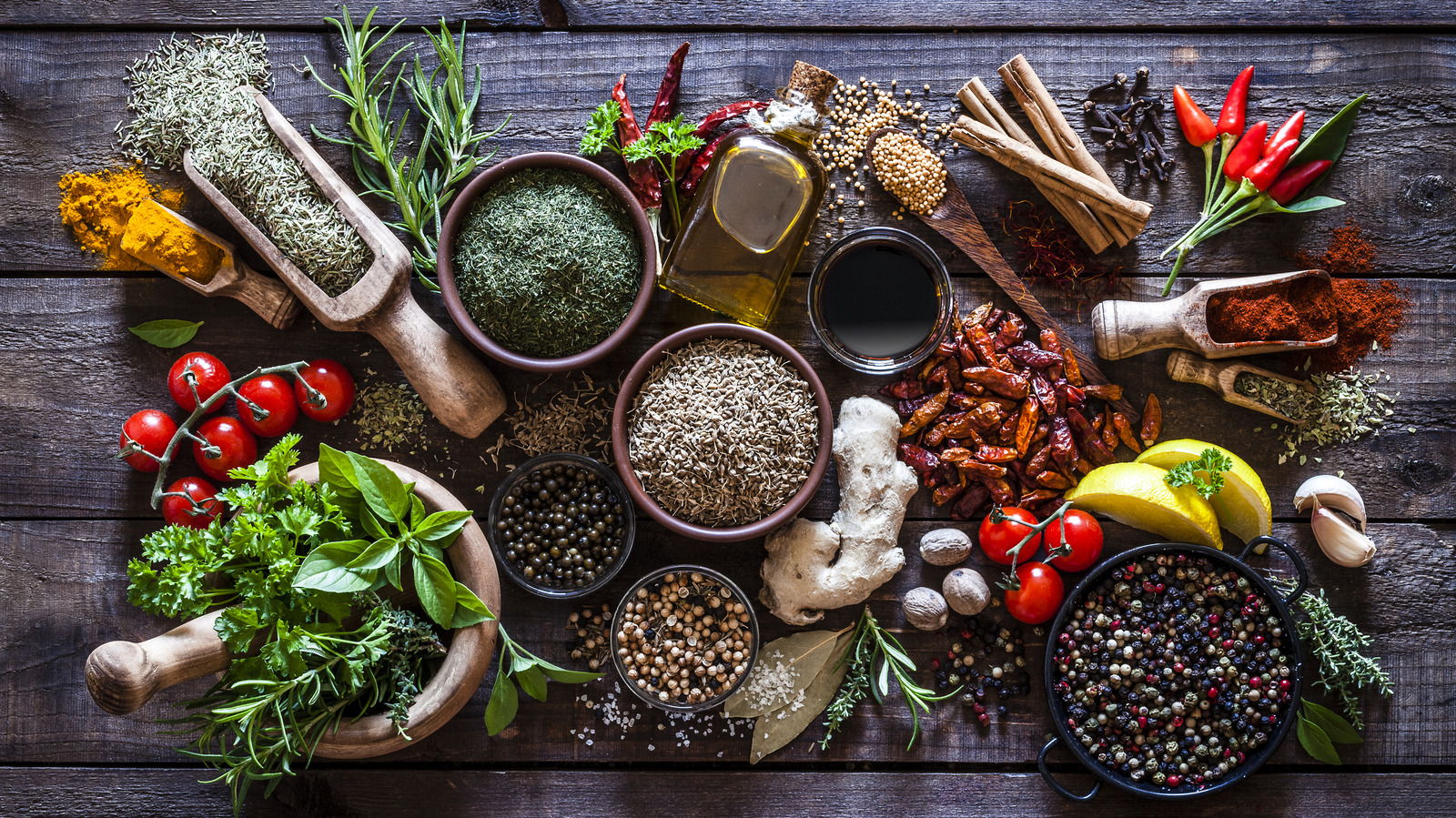


For generations, Indian households have relied on simple home remedies passed down by grandparents — from adding a pinch of hing for digestion to consuming cooling ingredients during summer. While these practices were often followed out of habit, modern science is now beginning to explain the benefits behind them.
According to nutritionist Palak Nagpal, many traditional ingredients used in daily cooking contain bioactive compounds that actively support health. In a recent Instagram post, she noted, “Not all traditional remedies are magic, but science is finally catching up to what our ancestors knew.”
Here’s a closer look at some common kitchen staples and the science behind their benefits:
Kalonji (Nigella Sativa)
Kalonji, also known as black seeds, contains thymoquinone — a powerful antioxidant. This compound is known for its anti-inflammatory properties and its role in reducing oxidative stress in the body.
Khus Khus (Poppy Seeds)
Poppy seeds are rich in magnesium, often referred to as the “relaxation mineral.” Magnesium plays a key role in calming the nervous system and supporting better sleep cycles.
Gond (Edible Gum)
Gond is traditionally used in energy-rich preparations, especially in postpartum diets. It is considered a dense source of energy that helps support recovery and physical strength.
Gond Katira (Tragacanth Gum)
Gond katira is valued for its cooling properties. It absorbs water and aids hydration, making it particularly beneficial during hot weather.
Black Cardamom
Black cardamom contains antimicrobial compounds that may support gut health and aid digestion when included in daily meals.
Saffron
Saffron contains bioactive compounds like crocin and safranal. Studies suggest these may help support mood, reduce stress, and promote emotional well-being.
Hing (Asafoetida)
Asafoetida is widely used in Indian cooking for its digestive benefits. Its antispasmodic properties can help reduce bloating, gas, and overall digestive discomfort.
Why These Ingredients Matter
Nagpal’s insights highlight that many everyday kitchen ingredients are more than just flavour enhancers — they offer functional health benefits when used mindfully. With growing awareness around nutrition, revisiting these traditional staples with a scientific lens can help people make more informed dietary choices.
Disclaimer
This content is for informational purposes only and is not a substitute for professional medical advice. Always consult a qualified healthcare provider for specific health concerns.