
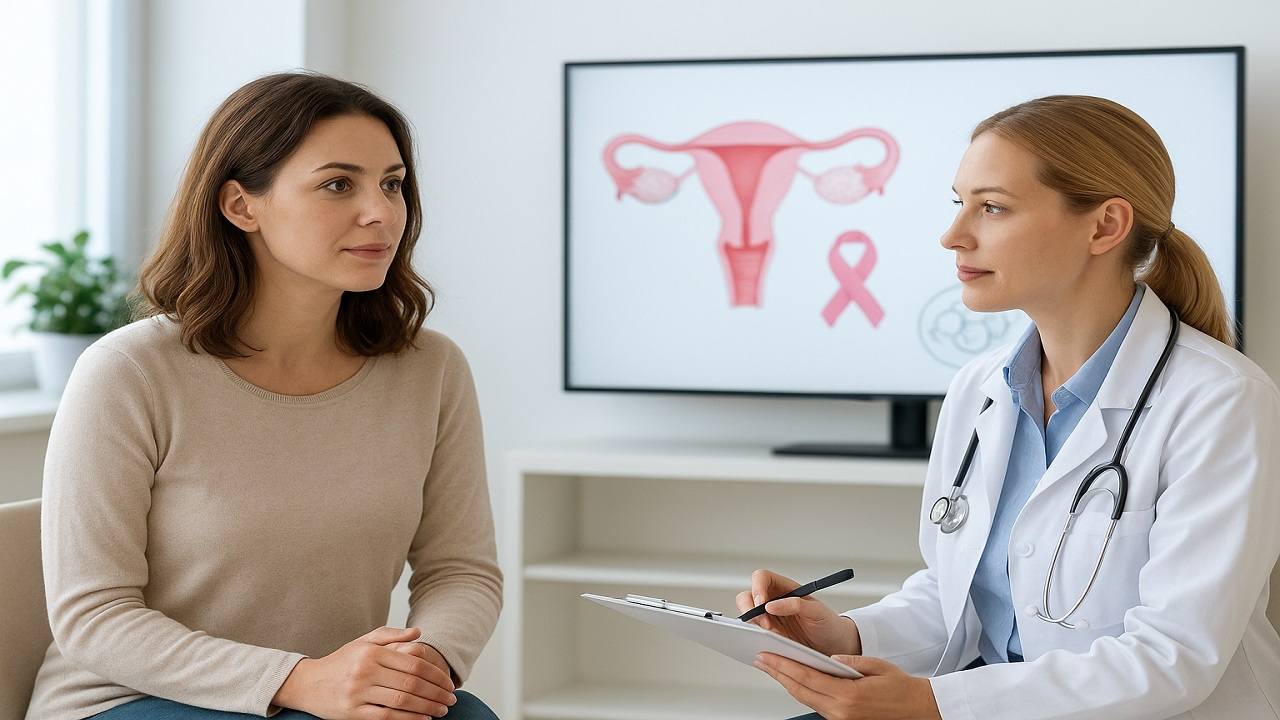


Vaginoplasty has become one of the most discussed topics in intimate wellness and cosmetic gynaecology, with growing curiosity driven by social media conversations, celebrity discussions, and increased awareness around women’s health.
According to experts, vaginoplasty is a surgical procedure designed to tighten, repair, or reconstruct the vaginal canal and surrounding muscles. Over time, childbirth, ageing, hormonal changes, and physical stress can weaken or stretch vaginal tissues and pelvic muscles, leading some women to experience reduced muscle tone, changes in sensation, pelvic weakness, or lowered confidence related to intimate health.
While many people assume vaginoplasty is purely cosmetic, specialists clarify that the procedure can also serve functional and reconstructive purposes. Some women undergo it after childbirth-related injuries, pelvic trauma, congenital conditions, or as part of gender-affirming surgery.
The sudden rise in public discussion around intimate procedures reflects a broader cultural shift. Conversations that were once considered taboo are now becoming more open, especially online. Women are increasingly discussing pelvic health, postpartum recovery, menopause, sexual wellness, and body confidence without the same level of stigma seen in earlier generations.
Pregnancy and childbirth are among the biggest reasons many women begin researching procedures like vaginoplasty. Vaginal delivery naturally stretches tissues and muscles, and although many women recover over time, some continue to experience looseness, reduced support, or discomfort months or years later. However, doctors stress that postpartum changes are completely natural and vary significantly from person to person.
Interest in the procedure is also growing among middle-aged and older women. Hormonal changes associated with menopause can affect tissue elasticity, collagen production, firmness, and lubrication, sometimes contributing to pelvic floor weakness or urinary concerns. Greater awareness of healthcare options has encouraged more women to seek information about available treatments.
Experts also point out that vaginoplasty is frequently confused with other intimate surgeries. Procedures such as Labiaplasty, hymenoplasty, and perineoplasty are entirely different treatments that address separate anatomical concerns.
Importantly, doctors emphasise that surgery is not necessary for everyone. Many women may benefit from non-surgical approaches such as pelvic floor exercises, physiotherapy, hormonal therapy, lifestyle changes, or minimally invasive treatments before considering surgery. Specialists strongly advise against making decisions based solely on social media trends, online marketing, or outside pressure.
Like any surgical procedure, vaginoplasty also carries potential risks, including infection, bleeding, scarring, pain, delayed healing, numbness, or dissatisfaction with results. Recovery often requires several weeks of care and temporary restrictions on physical activity.
Medical professionals recommend consulting qualified gynaecologists or certified cosmetic surgeons to fully understand the benefits, limitations, alternatives, and risks before considering any intimate wellness procedure.
lifes