
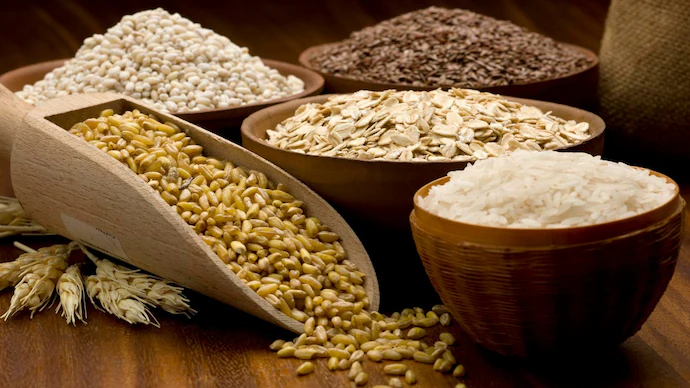


A recent study linked to the Indian Council of Medical Research has revealed that Indian households continue to consume excessive amounts of cereals while falling far behind recommended intake levels for protein-rich foods, vegetables, fruits and milk. The findings have raised concerns about the country’s overall nutritional balance and the growing risk of lifestyle-related health problems.
Cereals Continue To Dominate Indian Diets
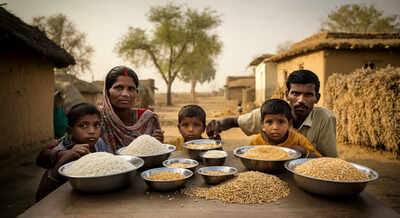
The study analysed data from the 2022–23 Household Consumption Expenditure Survey and compared food consumption patterns across states and Union Territories with the latest dietary guidelines issued by the Indian Council of Medical Research.
Researchers found that cereal consumption in most parts of the country remains significantly higher than the recommended monthly limit of 7.5 kilograms per person. States such as West Bengal, Odisha, Tripura and Manipur recorded some of the highest cereal consumption levels in rural India, reaching nearly 11.2 kilograms per person every month.
In urban regions, Tripura and Manipur again reported the highest cereal intake, followed by Bihar, Arunachal Pradesh and Chhattisgarh.
Only a few regions, including Kerala and urban areas of Punjab and Tamil Nadu, recorded cereal consumption below the prescribed benchmark. Among Union Territories, Delhi, Puducherry, Chandigarh and Lakshadweep also showed relatively balanced cereal intake.
Protein Intake Remains Alarmingly Low
The report highlighted that pulses consumption across India remains far below recommended dietary levels. Pulses are considered one of the most important and affordable protein sources in Indian diets, especially for vegetarians.
According to the dietary recommendations, vegetarians should consume around 2.6 kilograms of pulses per month, while non-vegetarians should consume at least 1.7 kilograms. However, data from nearly 28 states and Union Territories showed pulse intake of less than 1 kilogram per month.
The findings suggest that a large section of the population could be facing protein deficiency, despite increasing awareness around fitness and nutrition.
Vegetable Consumption Also Far Below Guidelines
The study also pointed to a major shortfall in vegetable consumption across both rural and urban India. Against the recommended intake of 12 kilograms per person per month, even the highest-consuming regions remained well below the target.
Chhattisgarh reported the highest vegetable consumption levels, with 6.7 kilograms in rural areas and 8.3 kilograms in urban areas. In several states and Union Territories, vegetable intake remained below 5 kilograms per month.
Health experts believe such low intake of vegetables and protein-rich foods could contribute to rising cases of nutritional deficiencies, obesity, diabetes and cardiovascular diseases in the coming years.
Processed Foods And Dining Out Changing Habits
Researchers also noted that food habits in India are evolving as incomes rise and urban lifestyles become more common. Traditionally, higher income levels tend to reduce cereal dependence while increasing protein and fat consumption.
However, the rapid growth of processed foods, restaurant culture and convenience-based eating habits is creating new health concerns.
The study observed that dining out has increasingly become part of everyday urban lifestyles, especially among younger consumers. Medical experts warned that the growing dependence on processed foods may lead to a higher burden of non-communicable diseases and increased healthcare costs in the future.
Need For Better Nutritional Awareness
The report underlines the need for stronger nutritional awareness and more balanced dietary practices across the country. While India has seen rising conversations around fitness and wellness, the findings suggest that large sections of the population are still not consuming adequate amounts of protein, vegetables and other essential nutrients.
Experts believe improving access to affordable protein sources, encouraging dietary diversity and increasing public awareness around balanced nutrition will be crucial for addressing long-term health challenges in India.