
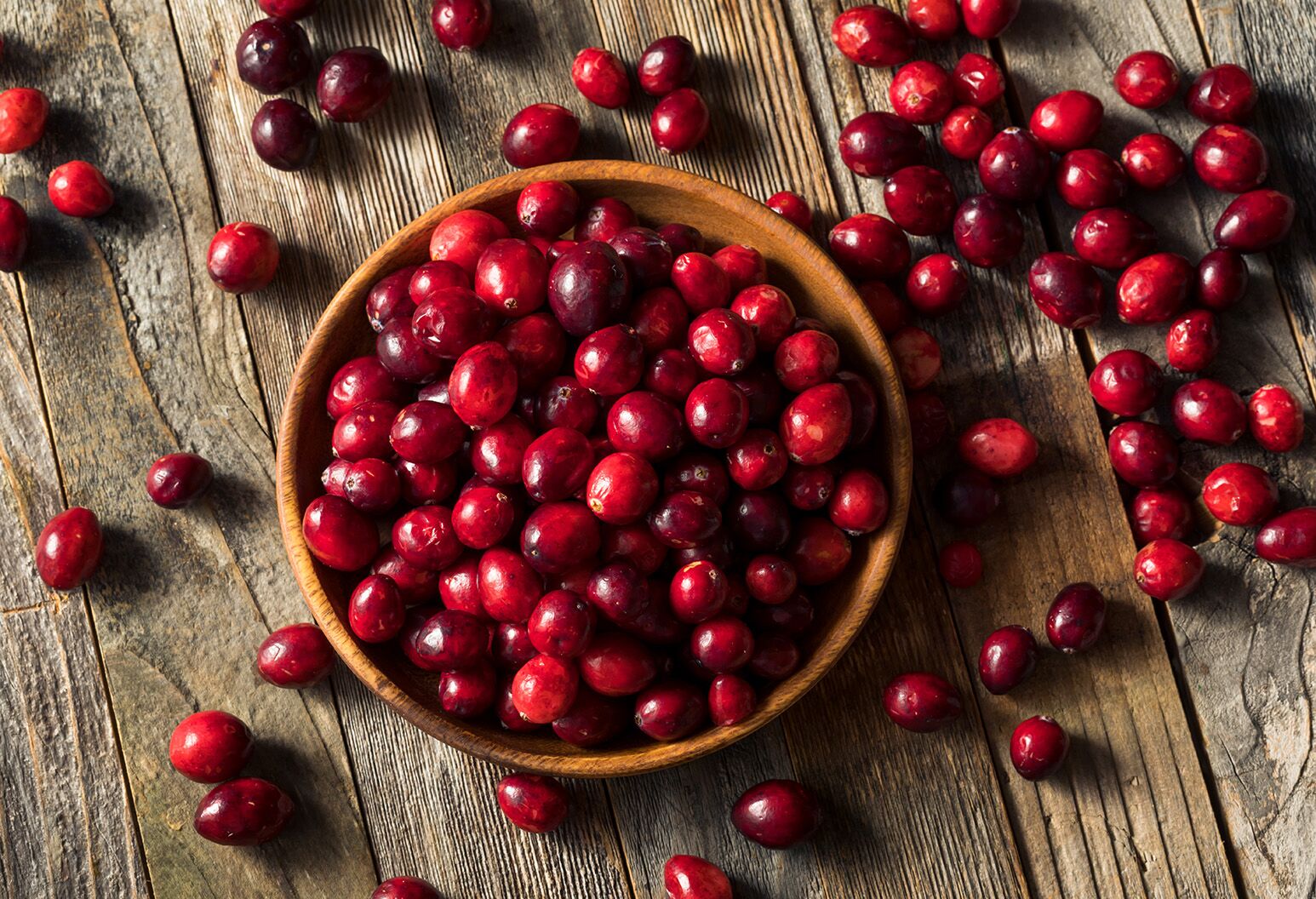


Cranberries have long been associated with supporting urinary tract health, but growing research suggests these tart red berries may also offer benefits for digestive wellness. While they are not a treatment for digestive disorders, experts say cranberries can be a healthy addition to a balanced diet thanks to their fibre content and powerful antioxidants.
How Cranberries Support Gut Health
One of the key reasons cranberries are gaining attention in digestive health research is their high concentration of polyphenols. These natural plant compounds possess antioxidant and anti-inflammatory properties that may help support a healthier gut environment.
Studies suggest that cranberry polyphenols can encourage the growth of beneficial gut bacteria while limiting the growth of harmful microorganisms. A healthy gut microbiome plays an important role in digestion, immune function and overall well-being.
Rich In Fibre
Whole cranberries are also a good source of dietary fibre, which is essential for maintaining regular bowel movements and supporting digestive health.
Fibre helps:
- Promote regular digestion
- Prevent constipation
- Support healthy bowel function
- Improve overall gut health
Health experts note that eating whole fruits provides significantly more digestive benefits than drinking fruit juices because fibre is largely lost during juice processing.
Fresh Cranberries Versus Processed Products
While fresh or dried cranberries can contribute to digestive wellness, not all cranberry products offer the same benefits.
Many commercially available cranberry juices and snacks contain added sugars, which may cause:
- Bloating
- Gas
- Digestive discomfort
- Blood sugar spikes
For maximum health benefits, experts recommend choosing fresh cranberries, unsweetened dried cranberries or low-sugar cranberry products.
Can Cranberries Treat Digestive Disorders?
Despite their nutritional benefits, cranberries should not be viewed as a treatment for chronic digestive conditions.
People living with conditions such as:
- Irritable Bowel Syndrome (IBS)
- Inflammatory Bowel Disease (IBD)
- Gastroesophageal Reflux Disease (GERD)
should continue following treatment plans and dietary recommendations provided by their healthcare professionals.
While cranberries may support overall gut health, they cannot cure or replace medical treatment for these disorders.
Moderation Is Important
Like many high-fibre foods, consuming excessive amounts of cranberries may sometimes lead to digestive discomfort, including:
- Stomach upset
- Bloating
- Loose stools
- Diarrhoea
Moderation remains key to enjoying their benefits without unwanted side effects.
The Bottom Line
Cranberries can be a valuable addition to a healthy diet thanks to their fibre, antioxidants and potential gut-friendly properties. They may help support digestive function, promote beneficial gut bacteria and contribute to overall wellness.
However, experts emphasise that maintaining good digestive health depends on a combination of factors, including a balanced diet, adequate hydration, regular physical activity and appropriate medical care when needed. Cranberries can support these efforts, but they should be viewed as one part of a broader approach to digestive health.