


For years, modern wellness culture promoted the idea that achieving good health required expensive supplements, imported superfoods, and highly structured eating plans. Protein powders became kitchen essentials, calorie counting turned into a daily ritual, and wellness slowly transformed into a demanding lifestyle rather than a sustainable habit.
However, consumers are now beginning to move away from the pressure of “perfect eating.” Across urban households and fitness-conscious communities, a noticeable shift is emerging — one that embraces simplicity, familiarity, and practicality over expensive wellness trends.
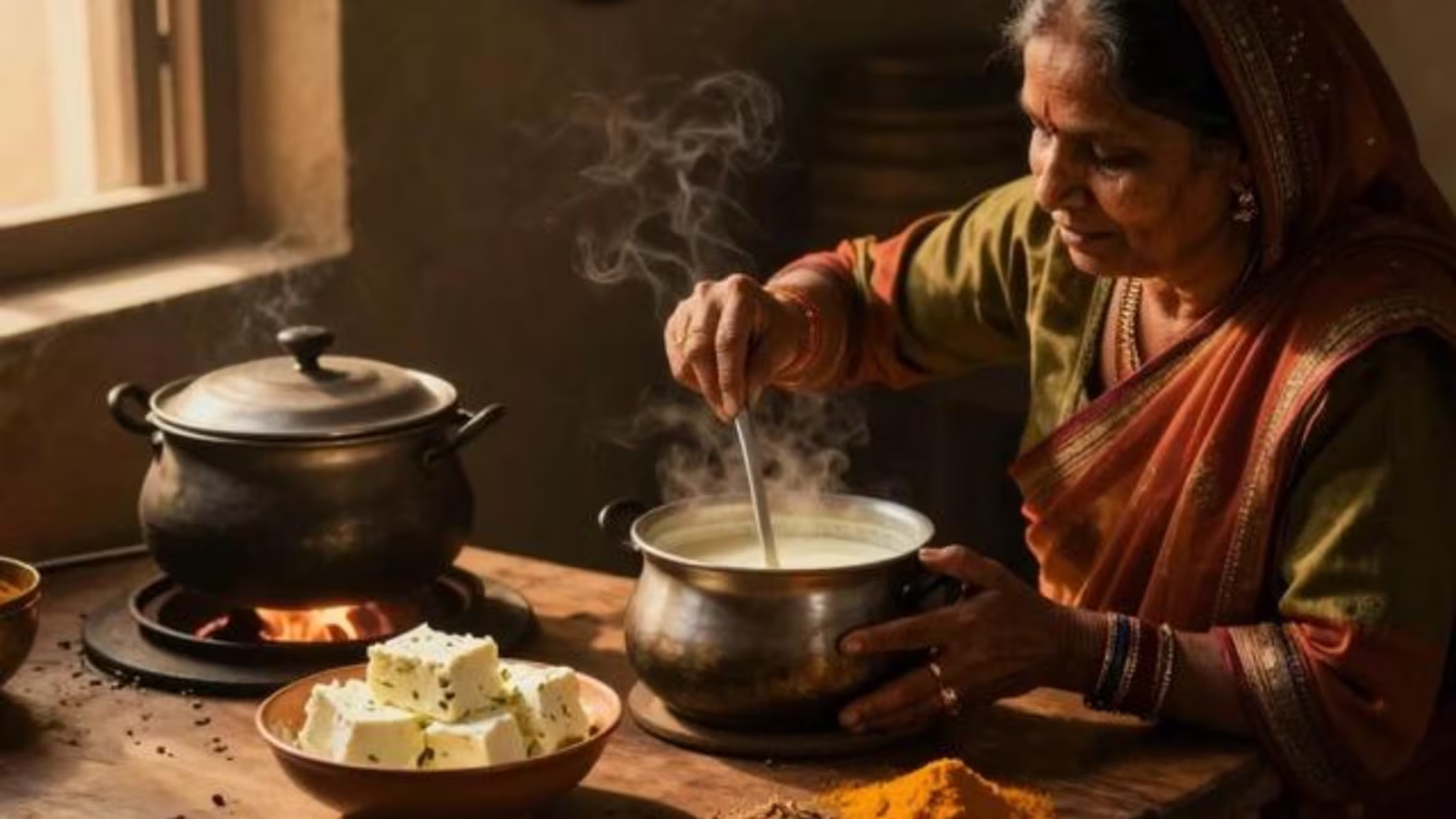
Instead of complicated diet plans, many people are rediscovering traditional Indian staples such as milk, curd, paneer, and ghee as reliable everyday sources of nutrition.
Why Consumers Are Stepping Away From Complicated Wellness
Experts say this growing “diet fatigue” reflects a larger change in how people view health and nutrition.
According to Ravin Saluja, Director of Sterling Agro Industries Ltd. (Nova Dairy), consumers are increasingly questioning whether wellness needs to rely on costly supplements and imported ingredients.
For years, the wellness industry encouraged highly structured routines that often felt difficult to sustain. But many consumers are now prioritising realistic and long-term eating habits over strict diet culture.
The rising global cost of whey protein has also contributed to this shift, making supplement-heavy fitness routines more expensive and less accessible for everyday consumers.
Traditional Indian Foods Are Making A Comeback
Foods that have long been part of Indian households are now being appreciated once again for their nutritional value and simplicity.
A glass of milk in the morning, homemade curd with lunch, paneer in daily meals, and ghee added to rotis are becoming symbols of balanced, sustainable nutrition rather than outdated traditions.
Nutrition experts believe these foods naturally fit into everyday lifestyles without creating the emotional or financial stress often associated with commercial wellness products.
Unlike trendy diet systems, traditional Indian foods are familiar, affordable, and easy to maintain consistently over time.
The Growing Exhaustion Around “Perfect Diets”
The pressure to constantly optimise eating habits has left many consumers mentally exhausted.
Strict calorie tracking, supplement dependency, and rapidly changing food trends have created what experts describe as “decision fatigue” around food choices.
Narendra Nagar, Managing Director of Healthways India (Paras Dairy), explains that consumers are becoming increasingly tired of wellness routines that feel overly restrictive and difficult to follow consistently.
As a result, many people are now seeking healthier relationships with food — ones that focus more on balance and sustainability rather than perfection.
Simplicity Is Becoming The New Wellness Trend
The renewed interest in traditional Indian foods signals a broader lifestyle shift. Consumers are moving toward wellness habits that naturally blend into daily life instead of dominating it.
Rather than chasing the latest health trend, many are finding comfort in simple, home-cooked meals that offer both nourishment and familiarity.
In today’s fast-moving wellness landscape, simplicity itself is quietly becoming the new luxury.